



-
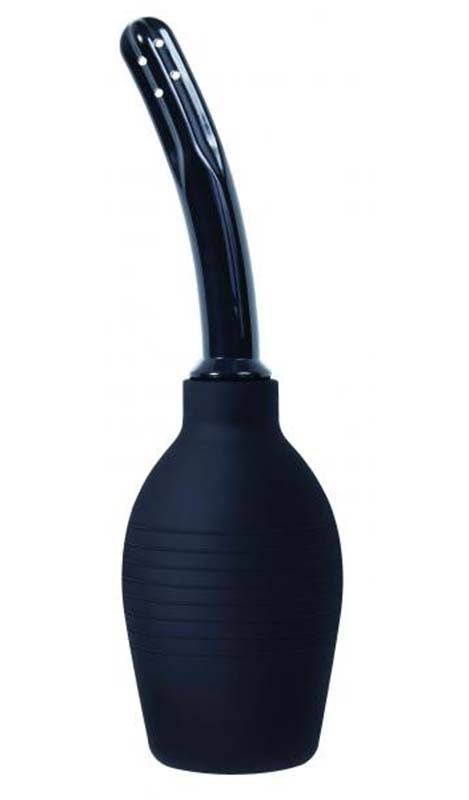
CleanStream Disposable Applicator ClearCleanStream Disposable Applicator Clear - Advanced Personal Hygiene Solution The CleanStream Disposable Applicator Clear represents the pinnacle of modern personal hygiene technology, designed specifically for individuals who prioritize cleanliness and convenience. This innovative cleansing solution combines practical design with user-friendly features, making it an...
- $14.99
$19.99- $14.99
- Unit price
- per
-
CleanScene Portable Hygiene Kit - Stay Fresh on the MoveProduct Description of Clean Scene 4 Piece Travel Bulb Douche Set Staying fresh on the go has never been easier with the Clean Scene 4 Piece Travel Bulb Douche Set. This compact and discreet kit is perfect for adventurers, travelers, and anyone who wants...
- $19.99
$34.99- $19.99
- Unit price
- per
-
Butties - Anal Training Kit with Cleansing DoucheButties - Anal Training Kit with Cleansing Douche: Your Complete Guide to Safe Exploration The Butties Anal Training Kit represents thoughtful design in intimate wellness, offering a comprehensive solution for those beginning their journey into anal play. This carefully curated set combines premium silicone...
- $49.99
$64.99- $49.99
- Unit price
- per
-
Budget Rectal SyringeEssential Hygiene Made Simple The Budget Rectal Syringe offers an effective and straightforward solution for personal cleansing needs. This well-designed device combines practical functionality with user-friendly features, making it an ideal choice for both newcomers and experienced users seeking reliable hygiene maintenance. Thoughtful Design...
- $14.99
$19.99- $14.99
- Unit price
- per
-
Bend Anal Cleaner With 3 Interchangeable HeadsBend Anal Cleaner With 3 Interchangeable Heads - Premium Hygiene Innovation The Bend Anal Cleaner from BDStyle represents advanced engineering in personal hygiene accessories. This sophisticated system combines premium stainless steel construction with versatile functionality to deliver a superior cleansing experience. Superior Materials Crafted...
- $19.99
$24.99- $19.99
- Unit price
- per
-
Aqua Shot Shower Enema Cleansing SystemTransform Your Shower Experience with Professional Cleansing Technology The Aqua Shot Shower Enema Cleansing System represents the pinnacle of personal hygiene innovation, offering a sophisticated solution for individuals seeking thorough cleansing during their shower routine. This precision-engineered system seamlessly integrates with standard shower fixtures,...
- $19.99
$24.99- $19.99
- Unit price
- per
-
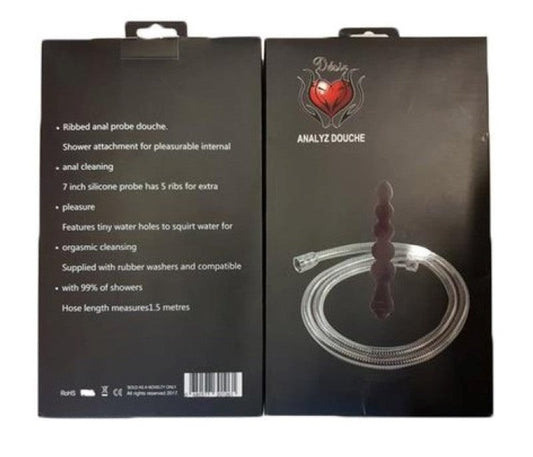
Analyz DoucheIntroducing the Analyz Douche, a premium anal cleansing system designed by Desir for those who take their intimate hygiene as seriously as their pleasure. This innovative douche combines functionality with comfort, offering a thorough cleansing experience that prepares you for worry-free anal play. Crafted...
- $67.99
$74.99- $67.99
- Unit price
- per
-
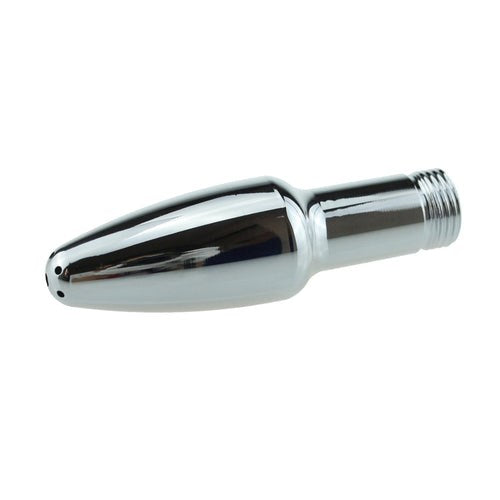
Anal Clyster FlusherAdvanced Personal Hygiene Solution The BDStyle Clyster Flusher represents a significant advancement in personal cleansing technology, offering a professional-grade solution for thorough hygiene maintenance. Crafted from premium-grade aluminum, this versatile system delivers exceptional performance while maintaining the highest standards of safety and comfort. Precision...
- $14.99
$19.99- $14.99
- Unit price
- per
-
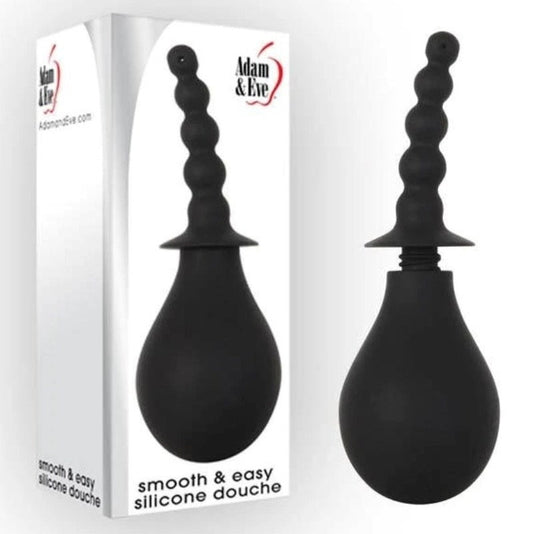
Adam and Eve Smooth and Easy Silicone DoucheAdvanced Design for Intimate Wellness The Adam and Eve Smooth and Easy Silicone Douche combines thoughtful engineering with premium materials to create a superior personal hygiene experience. Crafted entirely from body-safe silicone, this carefully designed tool prioritizes both comfort and effectiveness. Premium Construction Every...
- $44.99
$49.99- $44.99
- Unit price
- per
-
Adam & Eve Ez Anal DoucheEZ Anal Douche: Essential Personal Hygiene Made Simple The Adam & Eve EZ Anal Douche offers a straightforward solution for maintaining personal hygiene, designed with user comfort and safety in mind. This professional-grade cleansing device features body-safe materials and thoughtful engineering to ensure a...
- $29.99
$39.99- $29.99
- Unit price
- per
VISIT XVIDEO FOR ADULT DVDS



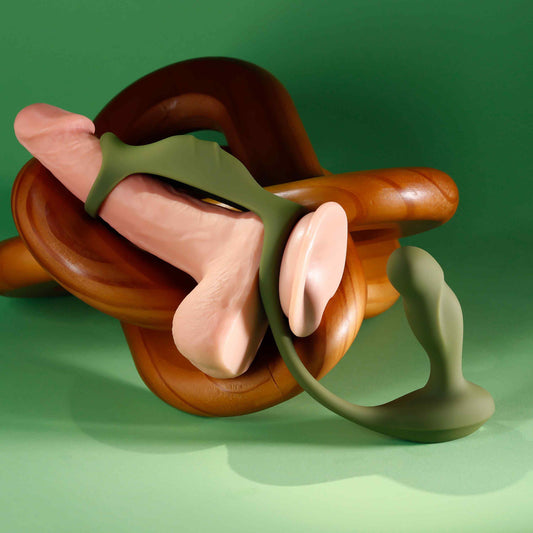
Zero Tolerance PROSTATE POWER PACK Massager With Remote
- Green
Zero Tolerance PROSTATE POWER PACK Massager With Remote is a dual-component prostate stimulator with vibrating plug and ridged C-ring harness. The insertable plug measures 8.3 cm long with 2.8 cm diameter, delivering 10 vibration speeds via 9.8-meter remote control. Liquid silicone construction ensures body-safe...
- $89.99
$99.99- $89.99
- Unit price
- per
LELO LIFEGUARD Originals Male Vibrating Penis Ring
- Pink
LELO LIFEGUARD Originals is a vibrating penis ring crafted from premium silicone, designed for couples' shared stimulation. Measuring 63 x 48 x 23 mm and weighing 32 grams, it features four standard vibration patterns plus four additional app-unlocked modes. The stretchy, body-safe silicone adapts...
- $74.99
$79.99- $74.99
- Unit price
- per
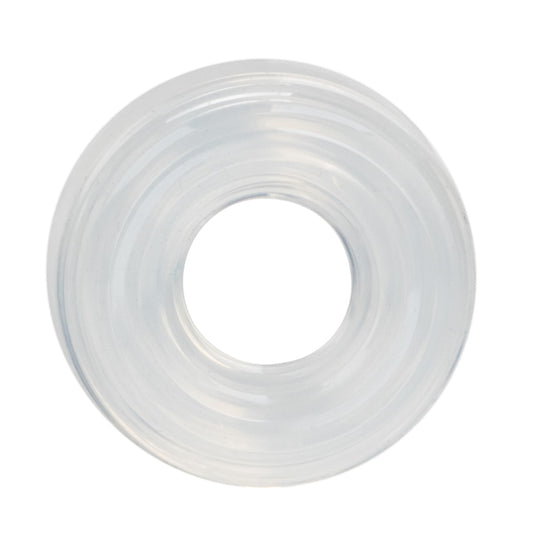
California Exotics Premium Silicone Cock Ring Medium
- Clear
California Exotics Premium Silicone Cock Ring Medium is a seamless silicone erection ring with a 0.75-inch diameter designed for girth enhancement and endurance support. Made from phthalate-free premium silicone, it delivers comfortable compression without restricting circulation. The thick, durable construction maintains shape through repeated...
- $9.99
$14.99- $9.99
- Unit price
- per






Intimate Wellness Products FAQ
Is daily use of feminine hygiene wash necessary, or is water sufficient?
Plain water suffices for most users. Hygiene washes suit those sensitive to body soap, managing odor, or preferring pH-balanced external cleansing. Use once daily maximum—over-washing strips protective oils.
Are "natural" or "organic" intimate wellness products safer than synthetic options?
Not necessarily. Natural ingredients like essential oils can irritate sensitive tissue more than synthetics. Safety depends on pH, ingredient selection, and individual sensitivity—not natural versus synthetic classification.
How does vaginal pH affect infection risk and why does it matter?
Acidic pH (3.8–4.5) supports lactobacilli bacteria that prevent harmful bacteria and yeast growth. Higher pH (above 5.5) allows pathogens to proliferate, increasing bacterial vaginosis and yeast infection risk.
Why should I avoid using regular body soap on vulvar tissue?
Body soaps have pH 8–10, far too alkaline for vulvar skin (pH 5.0–5.5). This strips protective oils, causes dryness, and disrupts pH, leading to irritation and infection vulnerability.
What is the difference between vaginal moisturiser and personal lubricant?
Moisturisers treat ongoing tissue dryness through regular application (2–3 times weekly). Lubricants provide temporary slip during specific activities. Moisturisers hydrate tissue; lubricants reduce friction.
Are scented or flavored intimate products safe to use?
Most scented/flavored products contain fragrances or sugars that disrupt pH, feed yeast, or cause irritation. Avoid these for internal use. External products should be fragrance-free or use minimal, hypoallergenic scents.
How do I know if an intimate wellness product is pH-appropriate?
Check labels for pH disclosure: 3.8–4.5 for vaginal products, 5.0–5.5 for vulvar products. Products without pH information may not maintain appropriate acidity for intimate tissue health.
Can intimate wellness products treat infections like bacterial vaginosis or yeast infections?
No, products support tissue health but do not treat active infections. See healthcare providers for diagnosis and prescription treatment. Some pH-balancing products may support prevention after treatment completes.
Why does vaginal dryness increase during menopause, and how do moisturisers help?
Decreased estrogen thins vaginal tissue, reduces natural lubrication, and raises pH. Moisturisers hydrate tissue, may support healthier pH, and improve comfort during daily activities and intimate contact.
Should I use intimate deodorant internally for vaginal odor concerns?
Never apply deodorants internally—they disrupt microbiome and cause irritation. Strong vaginal odor often indicates infection requiring medical treatment, not masking with deodorant. See healthcare providers for persistent odor.
Recently Viewed Products
Example product title
- $19.99
- $19.99
- Unit price
- per
Example product title
- $19.99
- $19.99
- Unit price
- per
Example product title
- $19.99
- $19.99
- Unit price
- per
Example product title
- $19.99
- $19.99
- Unit price
- per
Example product title
- $19.99
- $19.99
- Unit price
- per
Example product title
- $19.99
- $19.99
- Unit price
- per
Example product title
- $19.99
- $19.99
- Unit price
- per
Example product title
- $19.99
- $19.99
- Unit price
- per
Example product title
- $19.99
- $19.99
- Unit price
- per
Example product title
- $19.99
- $19.99
- Unit price
- per
Why Shop With Adultsmart?
- Choosing a selection results in a full page refresh.