



-
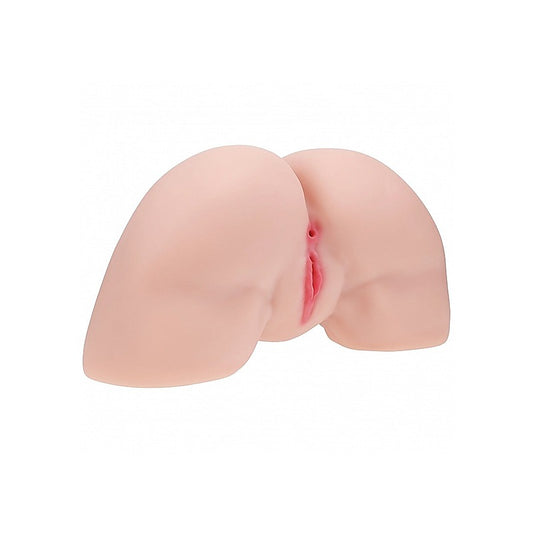
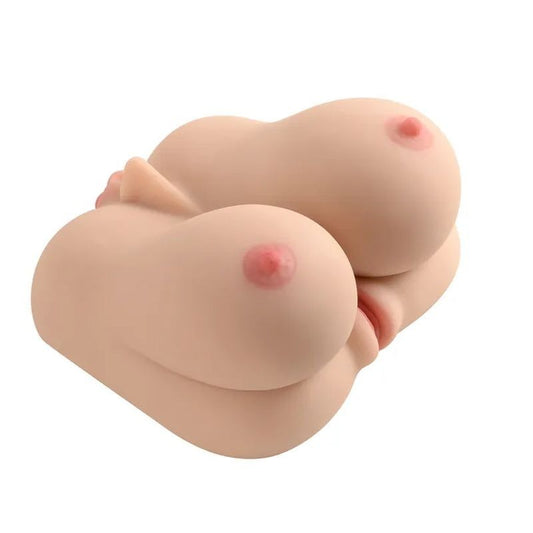
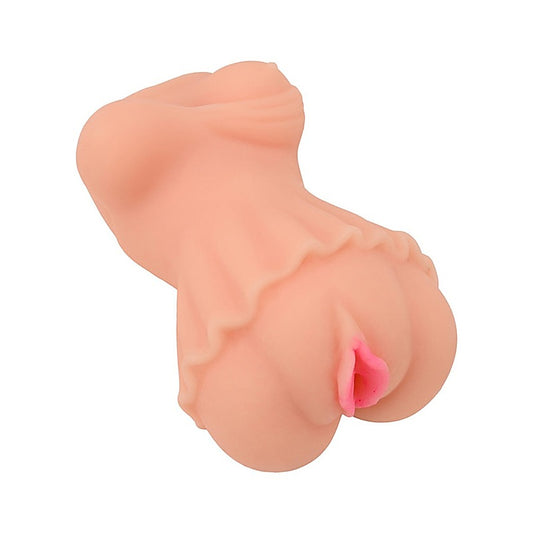
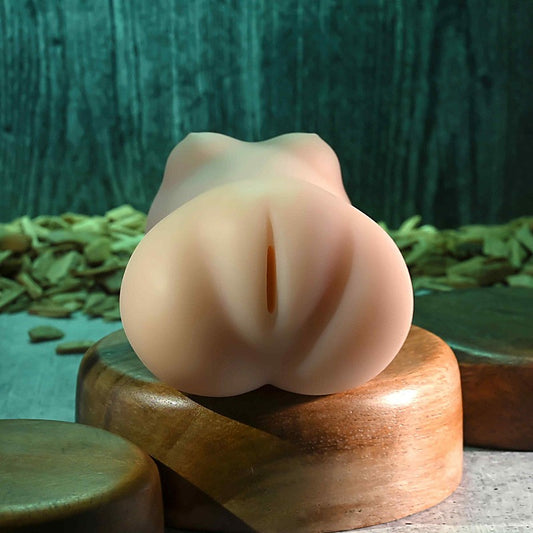
XKIN Bodyforms Elina Rosewood Doggy-Style Torso Masturbator - FleshXKIN Bodyforms Elina Rosewood Doggy-Style Torso Masturbator is a full-body cast designed for penetrative pleasure, weighing 7 kg with a 16.5 cm insertable depth. Crafted from ultra-soft, non-sticky TPE that warms to body temperature, it features micro-textured detail and includes a vibrating bullet powered...
- $379.99
$399.99- $379.99
- Unit price
- per
-
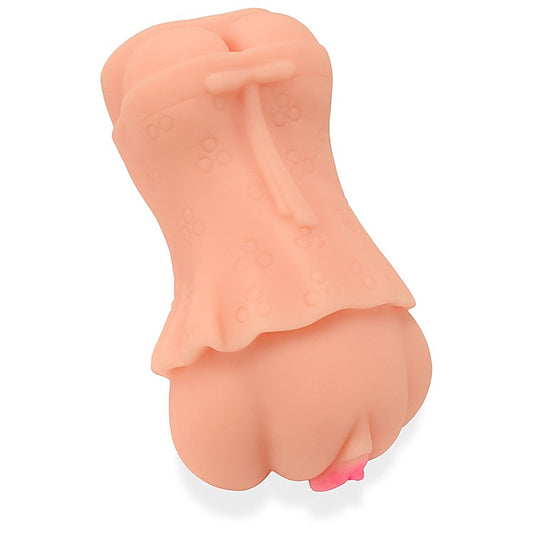
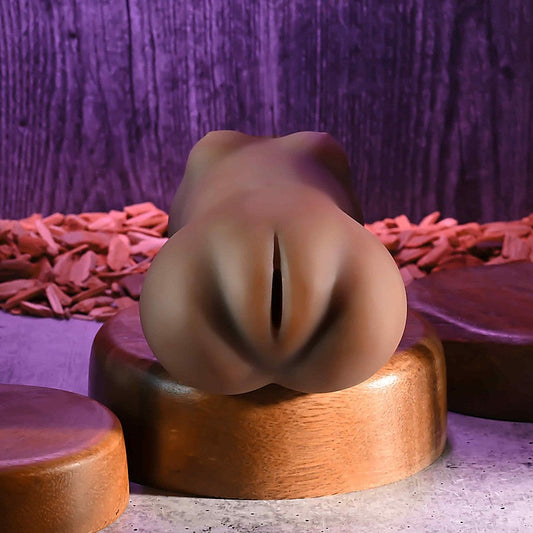
XKIN Bodyforms Vera Dawn Doggy-Style Torso Masturbator - FleshXKIN Bodyforms Vera Dawn Doggy-Style Torso Masturbator is a weighted TPE body cast designed for realistic penetrative stimulation. Weighing 6.4 kg with 16.5 cm insertable length, this mid-section torso features micro-textured surfaces and quick body-temperature warming. The included vibrating bullet adds layered sensation, making...
- $379.99
$399.99- $379.99
- Unit price
- per
-
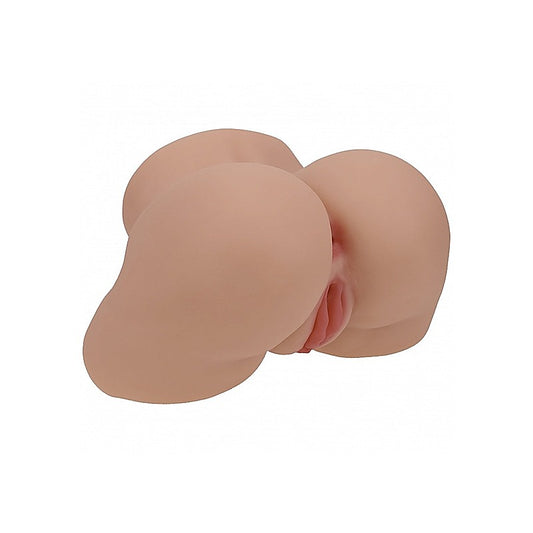
XKIN Bodyforms Lux Arden Doggy-Style Torso Masturbator - TanXKIN Bodyforms Lux Arden is a premium TPE body masturbator weighing 3.5 kg with 16.5 cm insertable depth and realistic skin-like texture. The included vibrating bullet offers dual-motor stimulation, while advanced TPE material warms to body temperature and resists odour retention. Designed for those...
- $259.99
$279.99- $259.99
- Unit price
- per
-
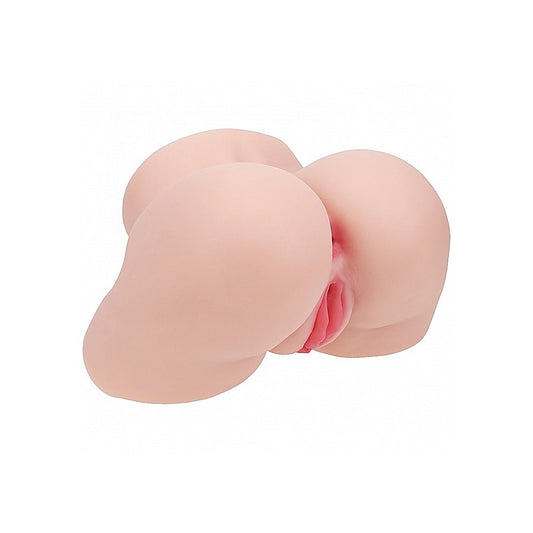
XKIN Bodyforms Vivica Lenore Doggy-Style Torso Masturbator - FleshXKIN Bodyforms Vivica Lenore is a premium masturbator torso cast from advanced TPE material. Weighing 3.5 kg with 16.5 cm insertable length, it captures detailed skin texture and warms to body temperature. The included vibrating bullet adds layered stimulation. Suited for people seeking realistic,...
- $259.99
$279.99- $259.99
- Unit price
- per
-
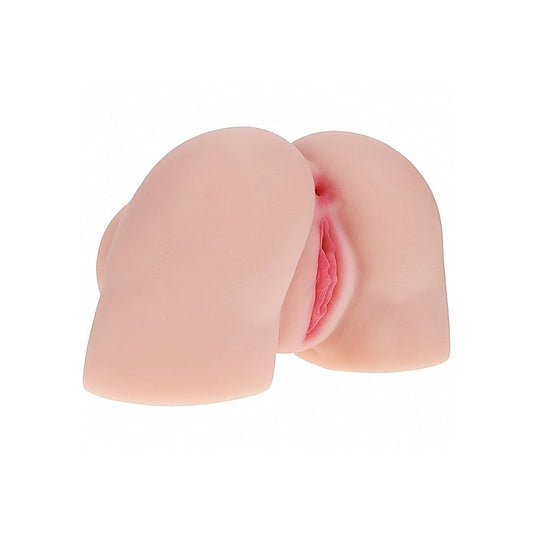
XKIN Bodyforms Rina Brooks Doggy-Style Torso Masturbator - FleshXKIN Bodyforms Rina Brooks Doggy-Style Torso Masturbator is a premium TPE torso designed for penetrative stimulation with realistic body casting. Weighing 2.45 kg with 16.5 cm insertable length, it features micro-textured skin-like surface detail and rapid body-temperature warming. The included vibrating bullet with adjustable...
- $199.99
$209.99- $199.99
- Unit price
- per
-
XKIN Secret Affairs Amara Vagina Stroker by Shots Toys - TanXKIN Secret Affairs Amara Vagina Stroker is a textured male masturbator designed for internal stimulation with realistic anatomical detail. Measuring 15 cm in total length with a 14 cm insertable channel and 8.7 cm diameter, this stroker features non-sticky TPE construction that mimics natural...
- $49.99
$54.99- $49.99
- Unit price
- per
-
XKIN Career Girls Lacey Dustandride Vagina Stroker by Shots - TanXKIN Career Girls Lacey Dustandride Vagina Stroker by Shots is a textured male masturbator featuring a realistic interior design measuring 11 centimetres insertable length with 6.5 centimetre diameter. Made from non-sticky TPE material, it weighs 204 grams and delivers firm, responsive stimulation. The stroker...
- $34.99
$39.99- $34.99
- Unit price
- per
-
XKIN Secret Affairs Celeste Vagina Stroker by Shots Toys - TanXKIN Secret Affairs Celeste Vagina Stroker by Shots Toys is a realistic masturbator designed for internal stroking with a compact 10 cm insertable length and 1.3 cm opening. Weighing 199 grams with non-sticky TPE construction, it delivers a firm, textured experience for solo or...
- $34.99
$39.99- $34.99
- Unit price
- per
-
XKIN PinUp Girls Bettie Blowkiss Vagina Stroker by Shots - TanXKIN PinUp Girls Bettie Blowkiss Vagina Stroker by Shots is a realistic TPE stroker designed for internal stimulation with a novelty character design. Measuring 12 cm in total length with a 10 cm insertable depth and 1.3 cm inner diameter, it delivers lifelike texture...
- $19.99
$24.99- $19.99
- Unit price
- per
-
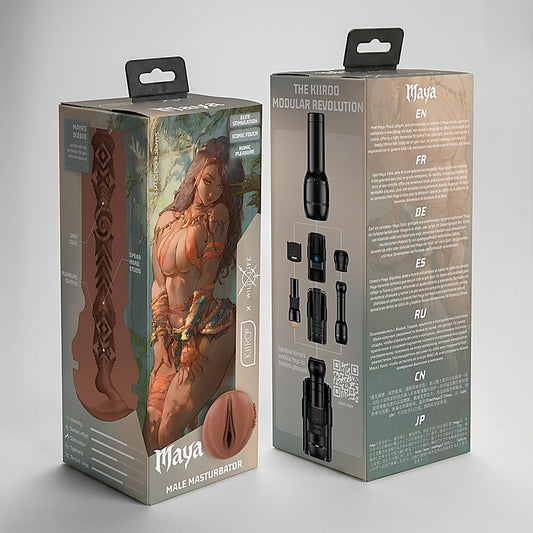
Feel Maya Stars Collection Stroker by Kiiroo - TanFeel Maya Stars Collection Stroker by Kiiroo is a character-driven masturbator inspired by the adult game Wild Life protagonist. At 23cm total length with a tightest diameter of 1.46cm and largest diameter of 2.92cm, it features a textured internal tunnel with Pleasure Glyphs and...
- $139.99
$149.99- $139.99
- Unit price
- per
-
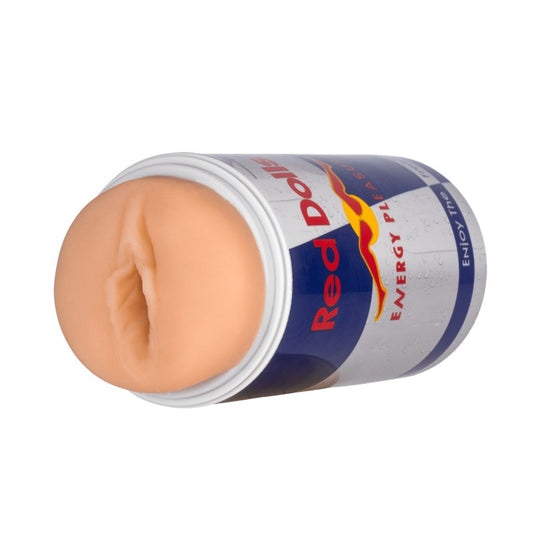
Alive Bull TPE Vaginal Masturbator by Adrien Lastic - FleshAlive Red Bull TPE Vaginal Masturbator by Adrien Lastic is a realistic stroker designed for male stimulation with anatomically detailed internal texturing. Measuring compact dimensions with TPE construction that mimics natural skin, it features a molded vaginal opening with stimulating ridges and contours. The...
- $29.99
$34.99- $29.99
- Unit price
- per
-
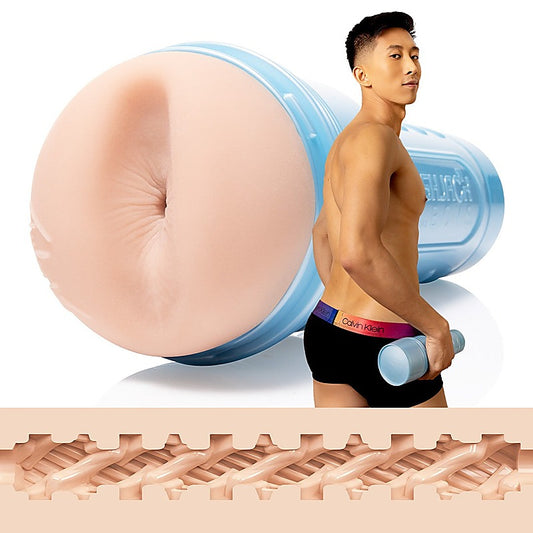
Boys Drake Von Cock'd & Loaded Masturbator by FleshjackFleshjack Boys Drake Von Cock'd & Loaded is a realistic male masturbator designed for internal stroking stimulation. Featuring textured internal passages and a butt orifice, this 8-inch stroker delivers varied sensations through its Cock'd & Loaded texture pattern. Made from premium Fleshlight material, it...
- $129.99
$139.99- $129.99
- Unit price
- per
-
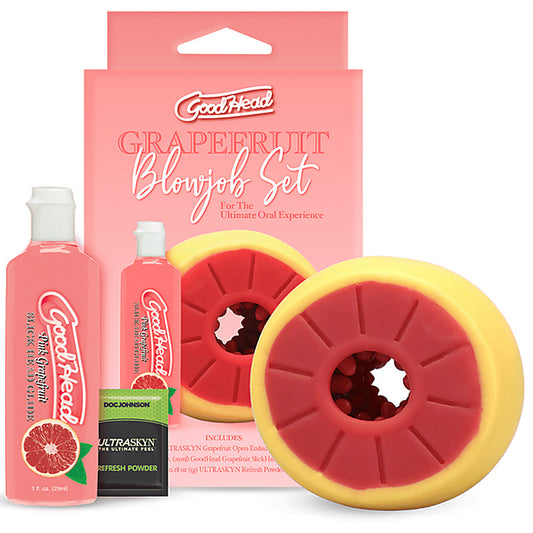
Grapefruit Blowjob Masturbator Set by Doc Johnson - Yellow/PinkDoc Johnson Grapefruit Blowjob Stroker Set is an open-ended stroker made from body-safe ULTRASKYN material featuring a tight, textured interior. The set includes a 29ml bottle of Grapefruit-flavored GoodHead Slick Head lubricant and ULTRASKYN Refresh Powder to maintain the material. It delivers handheld stroking...
- $59.99
$69.99- $59.99
- Unit price
- per
-
Salome 3kg 3-in-1 Pussy Mouth Titty Fuck Masturbator - FleshXISE Salome 3-in-1 Pussy Mouth Titty Fuck Masturbator is a triple-chamber stroker designed for versatile penetrative stimulation. Weighing 3.2kg with dimensions of 22cm x 19.5cm x 13cm, it features textured internal tunnels in three distinct configurations. The soft TPR construction delivers realistic sensation across...
- $119.99
$129.99- $119.99
- Unit price
- per
-
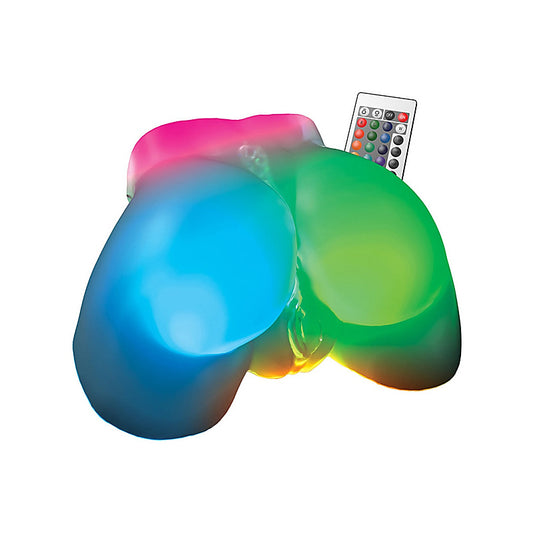
PDX Elite Go-Go Booty LED Mega Masturbator Frosted - FrostedPDX Elite Go-Go Booty LED Mega Mens Masturbator is a remote-controlled stroker with dual waterproof LED light pods delivering 16+ RGB colors and dynamic lighting modes. Weighing 5 lbs with ultra-soft frosted TPE construction, it features a 6.3-inch vaginal tunnel and 4.3-inch anal tunnel....
- $259.99
$269.99- $259.99
- Unit price
- per
-
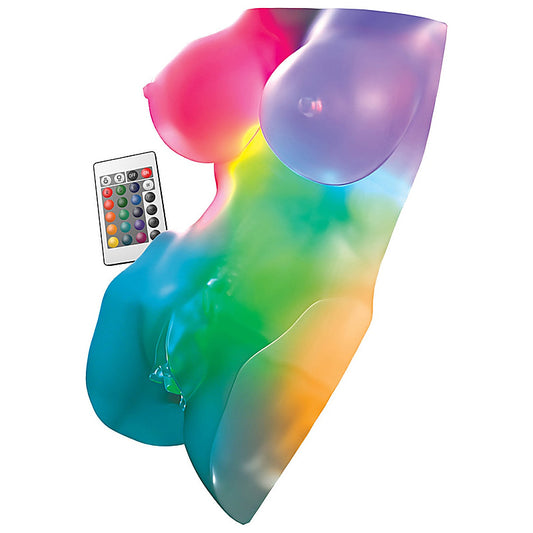
PDX Elite Go-Go Bator LED Mega Masturbator Frosted - FrostedPDX Elite Go-Go Bator LED Mega is a heavyweight male masturbator featuring dual textured tunnels and illuminated LED pods. Weighing 5.5 pounds with 12.1 inches total length, it delivers 16+ color options across flash, strobe, and fade modes via remote control. The ultra-soft frosted...
- $289.99
$299.99- $289.99
- Unit price
- per
-
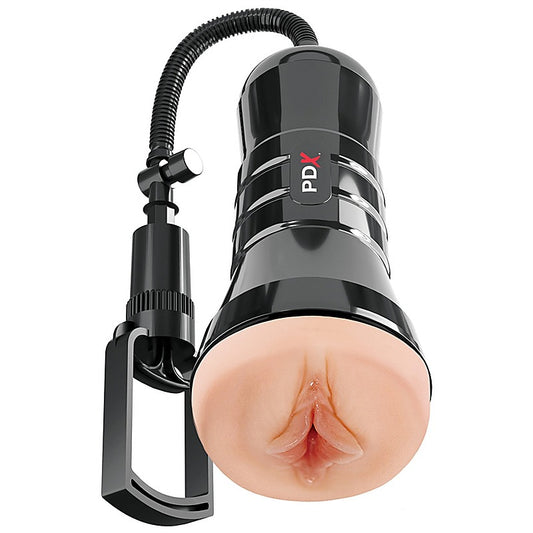
PDX Elite Ultra Milker Pro MasturbatorPDX Elite Ultra Milker Pro is a rechargeable male masturbator combining suction and vibration stimulation. Measuring 8.5 inches long with a 1.2-inch inner diameter, it features 9 suction modes paired with 9 vibration functions powered by triple motors. The water-resistant design with USB-C charging...
- $129.99
$139.99- $129.99
- Unit price
- per
-
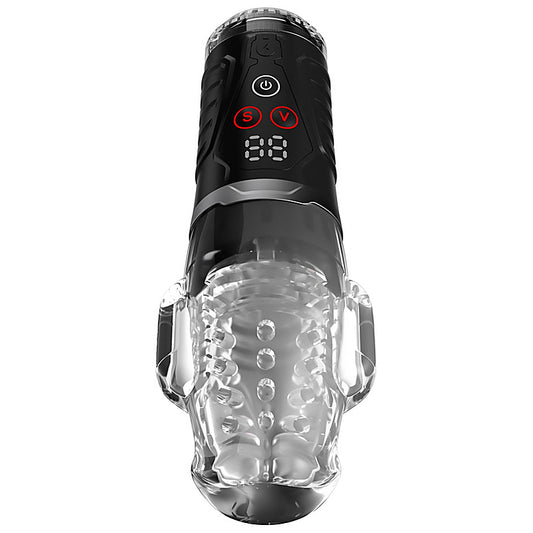
PDX Elite Mega-Bator Pro Masturbator by Pipedream ProductsPDX Elite Mega-Bator Pro is a rotating and thrusting male masturbator featuring 9 cyclone spinning modes combined with 9 deep vibration functions. At 11.4 inches long with a 2.2-inch inner diameter, the ultra-soft textured sleeve delivers intense stimulation through rotating internal motion and textured...
- $249.99
$259.99- $249.99
- Unit price
- per
-
PDX Extreme Wet Pussies Super Luscious Lips Stroker - FrostedPDX Extreme Wet Pussies Super Luscious Lips Stroker is a self-lubricating male stroker designed for hands-free pleasure with water activation. Measuring 8.3 inches long with a 6.5-inch tunnel stretching to 3 inches diameter, it features textured interior walls and realistic lifelike entrance details. The...
- From $84.99
$89.99- From $84.99
- Unit price
- per
-
PDX Extreme Wet Pussies Super Flip-A-Pussy Over - FrostedPDX Extreme Wet Pussies Super Flip-A-Pussy Over Stroker is a dual-ended stroker featuring realistic penetrable tunnels on both ends with self-lubricating TPE construction. Measuring 9.1 inches long with a 7.9-inch penetrable depth and 3-inch tunnel diameter, it activates with water for enhanced glide. The...
- $99.99
$109.99- $99.99
- Unit price
- per
-
Feel Leigh Raven Split Tongue Stars Collection Stroker - LightKIIROO Feel Leigh Raven Split Tongue Stars is a male stroker designed for oral-focused stimulation, molded from performer Leigh Raven's signature split tongue. At 22cm long with a TPE sleeve and ribbed internal structure, it features dual pleasure studs, textured ridges, and a clenching...
- $139.99
$149.99- $139.99
- Unit price
- per
-
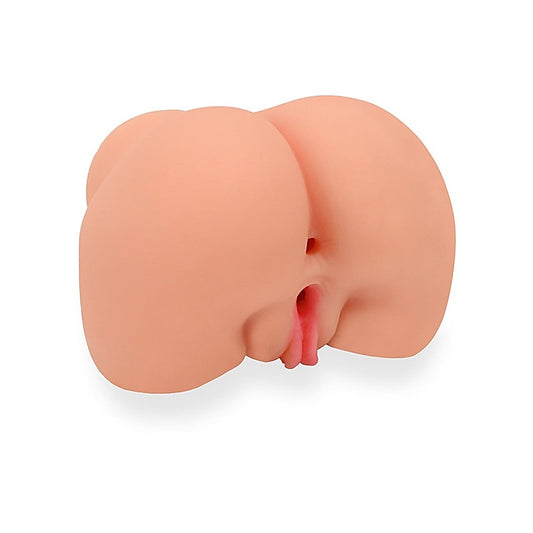
Bella Butt Torso Vaginal Anal Masturbator by Doc Johnson - FleshDoc Johnson Bella Butt Torso is a dual-chamber masturbator featuring realistic vaginal and anal openings. Measuring 26×20×13 cm and weighing 2.7 kg, it combines soft silicone butt cheeks with two distinct penetration channels. The torso delivers lifelike sensations through textured internal passages and accommodates...
- $99.99
$109.99- $99.99
- Unit price
- per
-
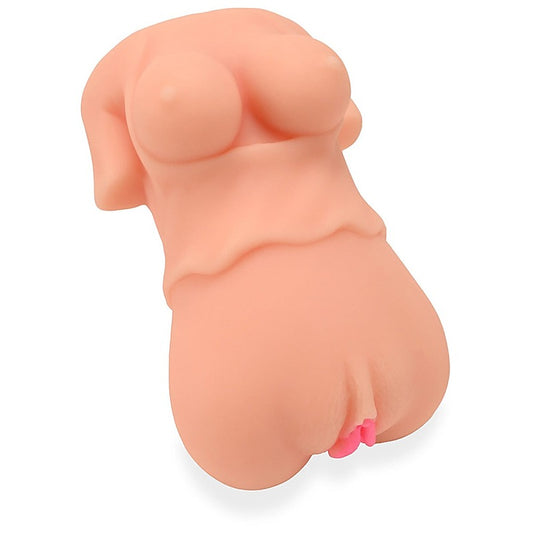
Alisha 2-in-1 Pussy and Titty Fuck Masturbator - FleshDoc Johnson Alisha is a dual-chamber masturbator featuring a textured vaginal channel and 36DD breast cavity for penetrative and titillation play. The soft silicone construction measures 8.5 inches in length with realistic internal ridging designed for intense sensation. It suits people seeking realistic fantasy...
- $79.99
$99.99- $79.99
- Unit price
- per
-
Erika Masturbator by Full Circle - LightFull Circle Erika is a textured oral sex masturbator designed for realistic internal stroking sensation. Measuring 17.5cm long with a 16cm opening diameter, it features graduated TPE ridging that creates variable pressure points throughout use. The tight suction grip delivers consistent contact without slipping,...
- $49.99
$59.99- $49.99
- Unit price
- per
-
Lucy Masturbator by Full Circle - LightFull Circle Lucy is a realistic oral sex stroker featuring ultra-soft TPE material with textured inner tunnel design. Measuring 18.5cm long with a 15.5cm opening, it delivers tight suction grip and flexible construction for natural sensation. The waterproof stroker suits people seeking realistic oral...
- $49.99
$59.99- $49.99
- Unit price
- per
-
Miss Texas Masturbator by Full Circle - LightFull Circle Miss Texas is a textured male masturbator featuring a 6.5-inch insertable canal with ribbed internal surface and secure suction-cup base. The soft, body-safe TPE material accommodates water-based lubricant for enhanced glide and hands-free mounting on smooth surfaces. It suits men seeking realistic...
- $69.99
$79.99- $69.99
- Unit price
- per
-
Miss Ireland Textured Male Stroker by Full Circle - LightFull Circle Miss Ireland is a textured male stroker measuring 250mm long with a 95mm opening diameter, delivering strong suction and tactile feedback through ridged interior walls. Weighing 680 grams with a non-slip grip shell, this body-safe TPE stroker creates intense handheld sensation without...
- $69.99
$79.99- $69.99
- Unit price
- per
-
Miss Ibiza Masturbator by Full Circle - LightFull Circle Miss Ibiza is a male stroker measuring 250mm long with a 95mm diameter, featuring textured TPE construction and pressure-responsive grip control. The body-safe, phthalate-free material delivers realistic sensation with customizable internal tension. Its waterproof design suits people seeking durable, discreet stroking stimulation...
- $69.99
$79.99- $69.99
- Unit price
- per
-
Miss Italy Masturbator by Full Circle - LightFull Circle Miss Italy is a realistic male stroker featuring a textured butt torso with dual entry points. Measuring 5.1 inches long and weighing 452 grams, it combines body-safe TPE material with ultra-tight internal tunnels for intensified sensation. The stroker suits men seeking authentic...
- $69.99
$79.99- $69.99
- Unit price
- per
-
Miss Miami Masturbator by Full Circle - LightFull Circle Miss Miami is a textured TPE stroker designed for penile stimulation with a ridged love canal. Measuring 6 inches long with 150mm x 90mm x 70mm dimensions, it features body-safe material and waterproof construction. The tight grip and interior texturing deliver realistic...
- $49.99
$59.99- $49.99
- Unit price
- per
-
Miss LA Masturbator by Full Circle - LightFull Circle Miss LA is a realistic male stroker featuring a textured interior canal and body-safe TPE construction. Measuring 6 inches long with a 375-gram weight, it delivers ultra-soft, skin-like sensation with variable grip control. The stroker suits men seeking realistic penetrative stimulation with...
- $49.99
$59.99- $49.99
- Unit price
- per
-
Miss Rome Masturbator by Full Circle - LightFull Circle Miss Rome Ultra Soft Realistic Male Stroker is a manual masturbator featuring textured TPE construction and a sculpted love canal. At 6 inches long with a 150mm x 80mm x 70mm chamber, it weighs 375 grams and delivers varied internal pressure through...
- $49.99
$59.99- $49.99
- Unit price
- per
-
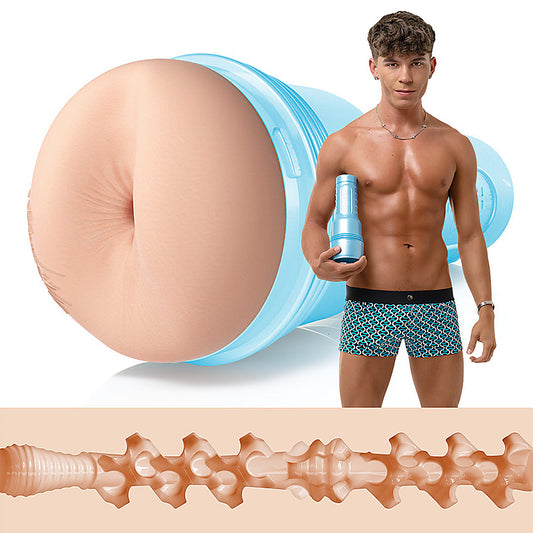
Boys Tyler Wu Skater Boy Realistic Dildo by FleshjackFleshlight Boys Tyler Wu Skater Boy is a body-cast male masturbator featuring dual-density Superskin material with signature ribbed texture. At 8.5 inches long, it delivers realistic internal sensation cast from performer anatomy. The powder blue storage case provides discreet portability, making it suited for...
- $124.99
$134.99- $124.99
- Unit price
- per
-
PDX Extreme Wet Pussies Super Sucker Stroker Light - BrownPDX Extreme Wet Pussies Super Sucker XXL Realistic Stroker is a water-activated self-lubricating stroker designed for hands-on vacuum stroking. At 10.75 inches long with 9.5 inches of penetrable depth, it features deeply ribbed TPE texture and manual suction control that builds adjustable grip with...
- $89.99
$109.99- $89.99
- Unit price
- per
-
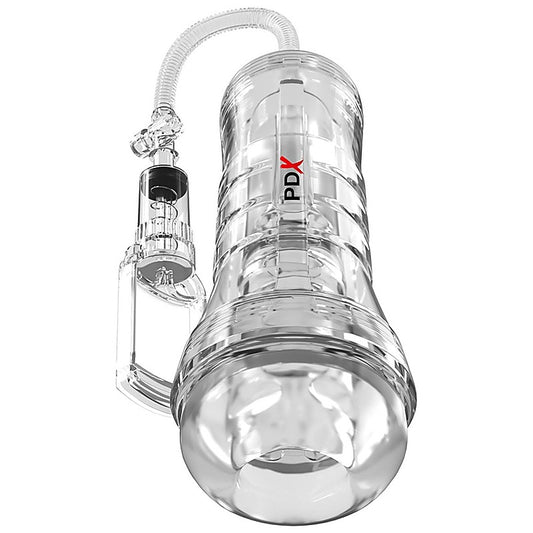
PDX Elite ViewTube Vac Pump See-Thru EZ-Grip Pump Stroker - ClearPDX Elite ViewTube Vac XXL is a transparent manual pump stroker featuring a crystal-clear 10.75-inch sleeve with deeply ribbed Fanta Flesh TPE interior and adjustable vacuum suction via the SuctionPort pump mechanism. The quick-release valve and AirLock cap enable customizable pressure control, while the...
- $89.99
$109.99- $89.99
- Unit price
- per
-
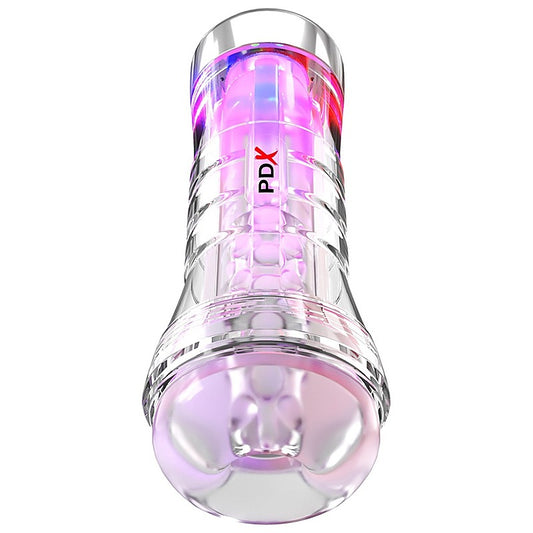
PDX Elite ViewTube See-Thru EZ-Grip LED Stroker - ClearPDX Elite ViewTube XXL See-Thru EZ-Grip LED Male Stroker is a transparent manual stroker with integrated pulsing LED lighting synchronized to your stroking rhythm. Measuring 10.75 inches long with a 4-inch diameter, it features ultra-soft TPE with textured nodules and adjustable suction control. The...
- $79.99
$99.99- $79.99
- Unit price
- per
-
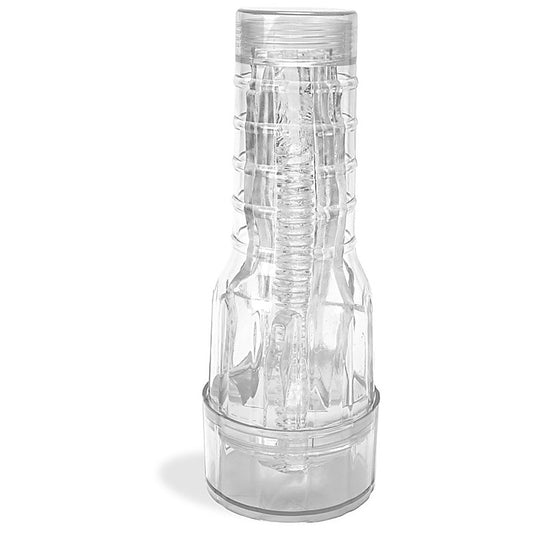
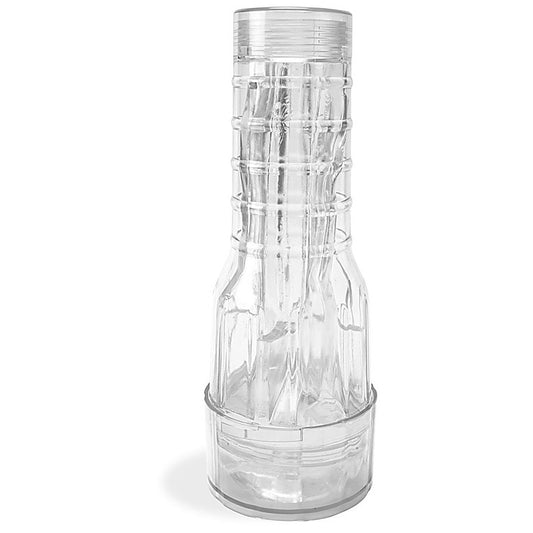
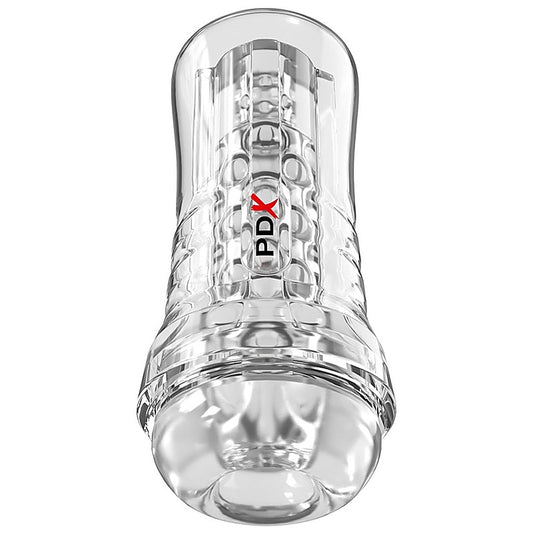
PDX Elite ViewTube See-Thru EZ-Grip Stroker - ClearPDX Elite ViewTube See-Thru EZ-Grip Stroker is a transparent manual masturbator designed for visual and tactile stimulation combined. At 8.25 inches long with ultra-soft TPE sleeve featuring internal nubbies, it delivers adjustable manual suction control through an air hole. The ergonomic EZ-Grip case provides...
- $64.99
$79.99- $64.99
- Unit price
- per
-
Feel Argenta by KIIROO Stars Collection Stroker Limited - SilverKIIROO Feel Argenta Stars Collection PowerBlow Stroker is a beaded interactive masturbator designed for manual and automated use. At 23cm long with internal diameters ranging from 1.1cm to 2cm, the TPE sleeve features molded ridges that grip along your entire shaft. Compatible with Keon,...
- $89.99
$109.99- $89.99
- Unit price
- per
-
Zero Tolerance SASHA WET N READY Stroker Vagina Stroker - FleshZero Tolerance SASHA GREY WET N READY is a pre-lubricated TPE vaginal stroker featuring an 11.4 cm insertable depth with a breakable virginity membrane and textured interior channel. The package includes a vibrating cock ring and Sasha Grey movie download for immersive fantasy play....
- $39.99
$49.99- $39.99
- Unit price
- per
-
Zero Tolerance SKLYER NICOLE WET N READY Vagina Stroker - BrownZero Tolerance SKLYER NICOLE WET N READY is a TPE vaginal stroker featuring an 11.4 cm insertable channel with a breakable internal membrane simulating first-time sensation. Pre-lubricated and waterproof, it includes a vibrating cock ring and Skyler Nicole movie download. The tight, textured interior...
- $39.99
$49.99- $39.99
- Unit price
- per
-
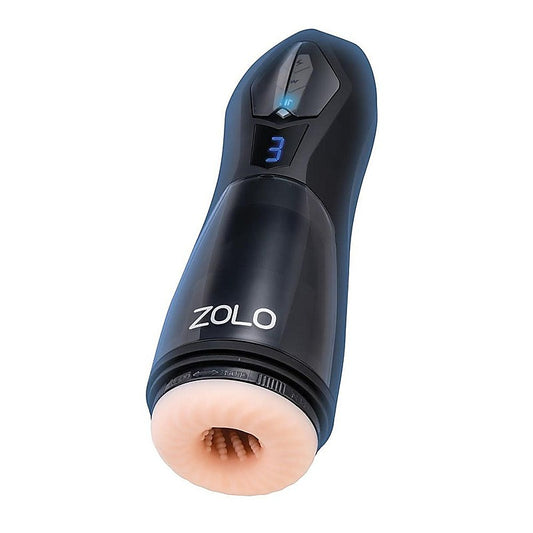
Zolo Lift Off and Auto Stroker by Xgen Products - FleshXgen Zolo Lift Off Vibrating and Thrusting Auto Stroker is a motorized masturbator combining nine thrusting modes with seven vibration intensities for dual-action stimulation. At 29.3 cm long and weighing 910 grams, it features a removable medical-grade silicone sleeve and USB Type-C rechargeable battery....
- $304.99
$379.99- $304.99
- Unit price
- per
-
JUICY LUCY Self Lubricating Vagina Stroker - FleshAdam & Eve JUICY LUCY is a self-lubricating TPE stroker designed for realistic vaginal sensations. At 6.3 inches long with a 3.6-inch width, it activates with water to create a wet grip lasting 20 to 30 uses. The textured internal sleeve features raised nubs...
- $59.99
$74.99- $59.99
- Unit price
- per
-
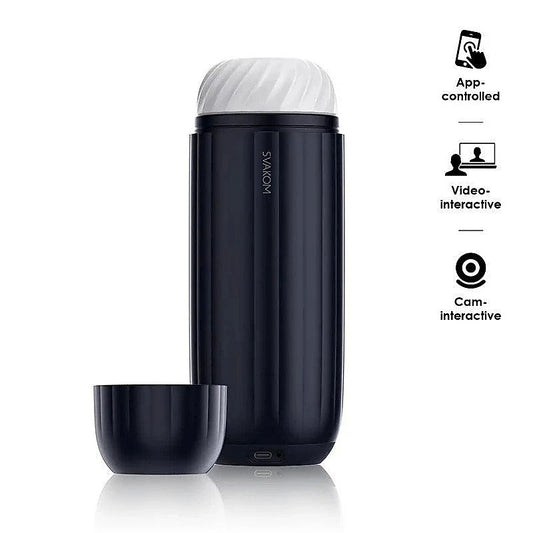
Sam Neo 2 Masturbator by Svakom - BlueSvakom Sam Neo 2 is an interactive male masturbator combining dual suction and vibration systems reaching 8300 RPM with app connectivity via SVAKOM and FeelConnect 3 apps. Measuring 228mm externally with a 140mm internal sleeve, it features variable texture patterns, extended climax mode, and...
- $154.99
$219.99- $154.99
- Unit price
- per
-
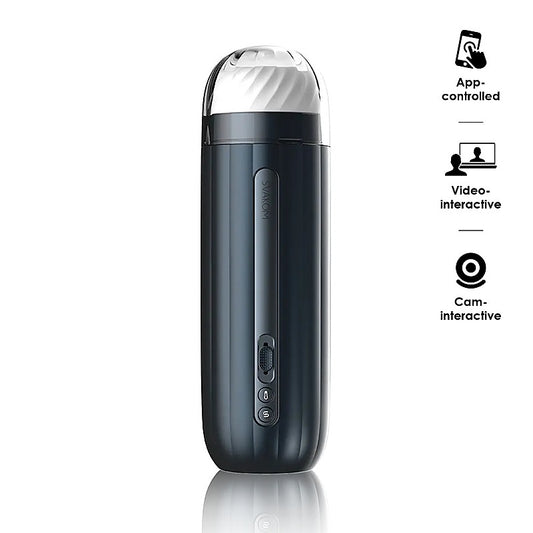
Hannes Neo Luxury Sex Toy by SvakomSvakom Hannes Neo Interactive Throbbing Mens Masturbator is a connected male stroker featuring five throbbing patterns with five intensity levels, body-temperature warming to 38°C, and interactive app control. The 286mm device with 155mm insertable depth synchronizes with adult content and enables long-distance partner control....
- $244.99
$299.99- $244.99
- Unit price
- per
-
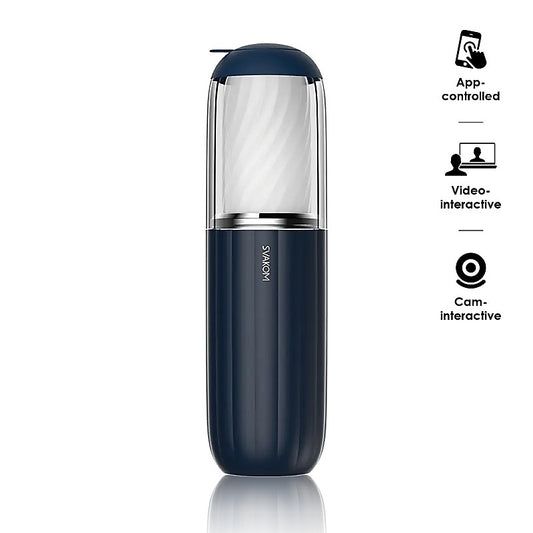
Alex Neo 2 Luxury Sex Toy by SvakomSvakom Alex Neo 2 is an interactive thrusting male masturbator combining powerful automatic mechanics with app-controlled synchronization. Delivering 120 strokes per minute across seven distinct patterns, the 950-gram device features a textured TPE sleeve and 2500mAh battery supporting 1.5 hours of continuous thrusting. It...
- $274.99
$329.99- $274.99
- Unit price
- per
-
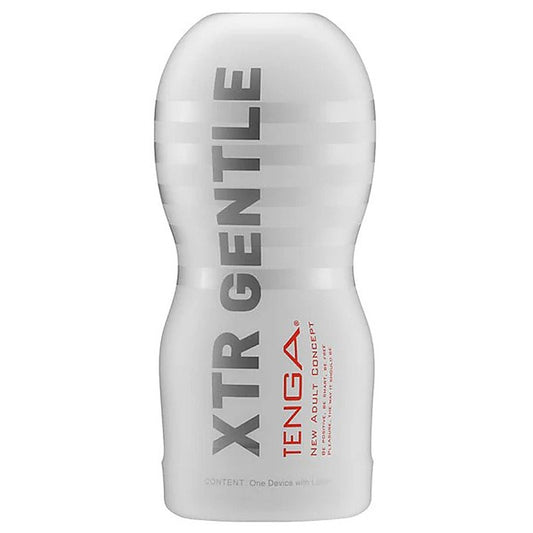
Original Vacuum Cup Extra Gentle Masturbator by Tenga - WhiteOriginal Vacuum Cup Extra Gentle Masturbator by Tenga is a single-use TPE sleeve designed for gentle internal stimulation with vacuum suction control. Measuring 155mm long with a 45mm insertion width, it features an hourglass shape that delivers graduated pressure and an airtight seal that...
- $14.99
$19.99- $14.99
- Unit price
- per
-
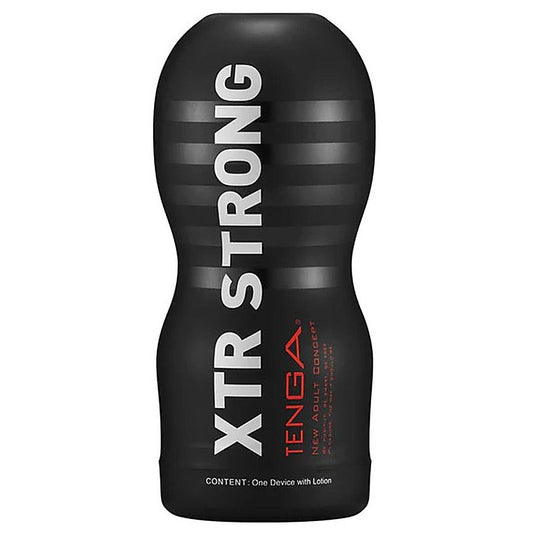
Original Vacuum Cup Extra Strong Masturbator by Tenga - BlackOriginal Vacuum Cup Extra Strong Masturbator by Tenga is a single-use male masturbator featuring an hourglass-shaped TPE sleeve with vacuum suction capability. Measuring 155mm tall with a 140mm insertion length and 45mm width, it delivers grip intensity that increases the deeper you insert. The...
- $14.99
$19.99- $14.99
- Unit price
- per
-
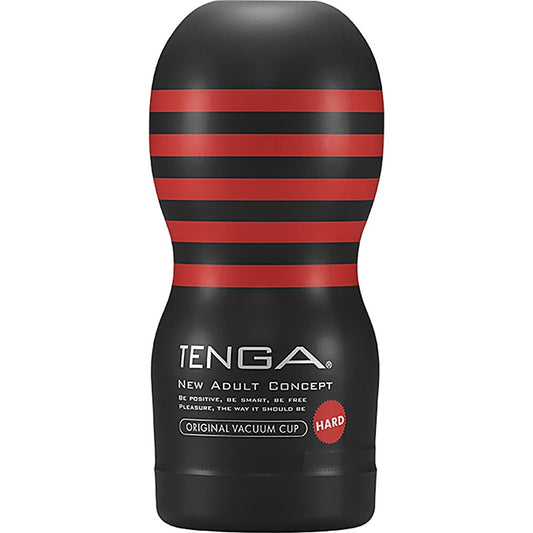
Original Vacuum Cup Strong Firm Suction Masturbator by Tenga - BlackTenga Original Vacuum Cup Strong is a single-use masturbator featuring firm thermoplastic elastomer construction designed for intense suction stimulation. Measuring 155mm in height with a 45mm insertion width, it delivers pronounced sensations through its hourglass-shaped internal design and vacuum valve structure. The airtight seal...
- $14.99
$19.99- $14.99
- Unit price
- per
-
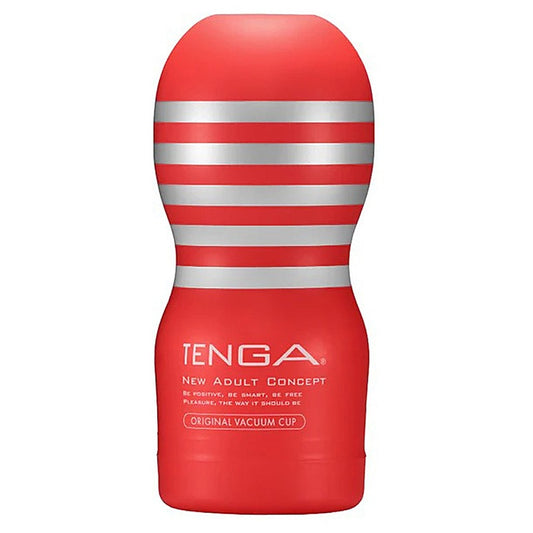
Original Vacuum Cup Suction Masturbator by Tenga - RedTenga Original Vacuum Cup is a reusable thermoplastic elastomer masturbator designed for suction-based stimulation. Measuring 155mm in height with a 45mm insertion width, it features an hourglass shape that delivers variable squeeze during insertion. The internal valve structure creates powerful suction when the air...
- $14.99
$19.99- $14.99
- Unit price
- per
-
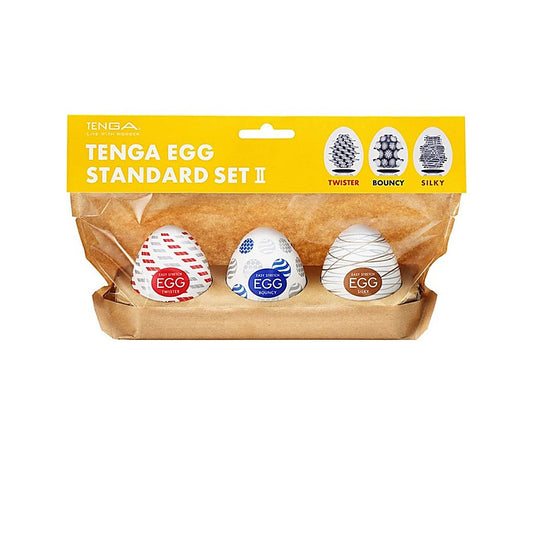
Egg Standard 3 Pack 2 Mixed Texture Strokers by Tenga - ClearTenga Egg Standard 3 Pack 2 Mixed Texture Strokers is a disposable manual stroker set containing three uniquely textured eggs. Each egg measures 60mm in diameter and features distinct internal designs: Twister with spiral nubs for rotational motion, Bouncy with spherical bumps for dynamic...
- $24.99
$29.99- $24.99
- Unit price
- per
VISIT XVIDEO FOR ADULT DVDS



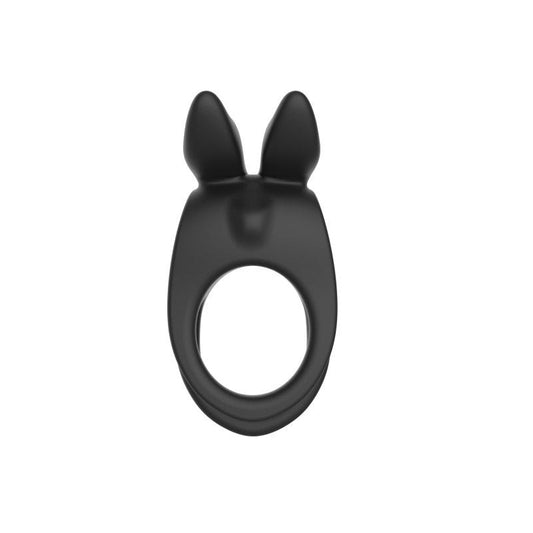
Men 10 Mode Vibrating Rabbit Cock Ring by Ashella
- Black
Ashella Men 10 Mode Vibrating Rabbit Cock Ring is a dual-ring vibrator designed for partnered stimulation and performance enhancement. Measuring 45.2 x 91.1 x 43.1mm with 10 vibration modes across 3 speed settings, it combines a supportive shaft and ball ring with external bunny...
- $34.99
$39.99- $34.99
- Unit price
- per
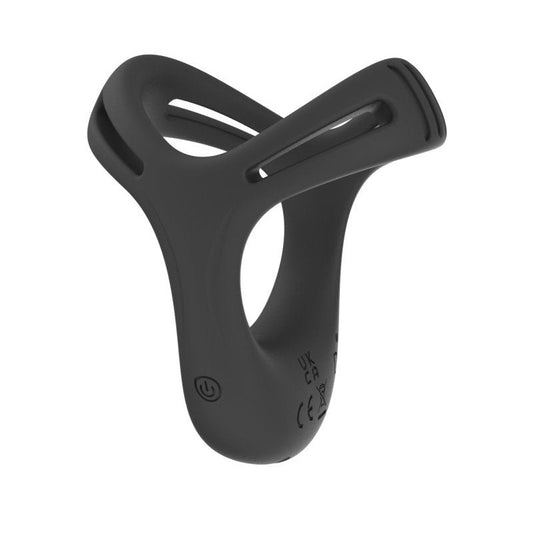
Men 10 Mode Vibrating Sling Ring by Ashella
- Black
Ashella Men 10 Mode Vibrating Sling Ring is a vibrating cock ring designed for enhanced support and dual-partner stimulation. Featuring 10 vibration modes across 3 speed settings, this silicone ring stretches to secure both shaft and balls for extended performance. At 63 x 55.5...
- $34.99
$39.99- $34.99
- Unit price
- per
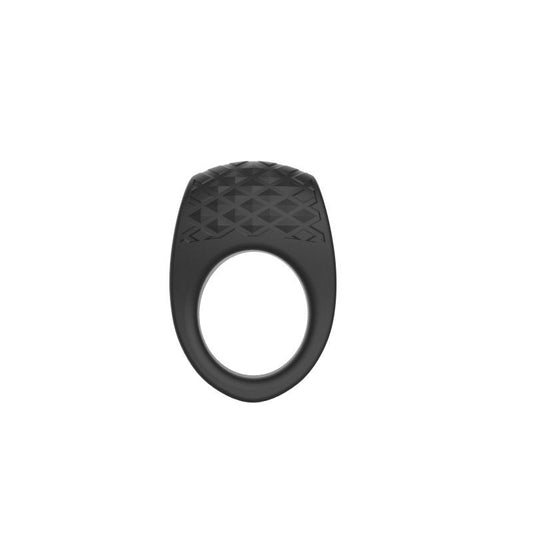
Men 10 Mode Vibrating Cock Ring by Ashella
- Black
The Ashella Men Vibrating Cock Ring is a silicone erection ring featuring 10 vibration modes across 3 speed settings. Measuring 45.5 x 66.7 x 29.4mm with rechargeable USB power lasting one hour per charge, it delivers customizable stimulation for solo or partnered play. The...
- $34.99
$39.99- $34.99
- Unit price
- per
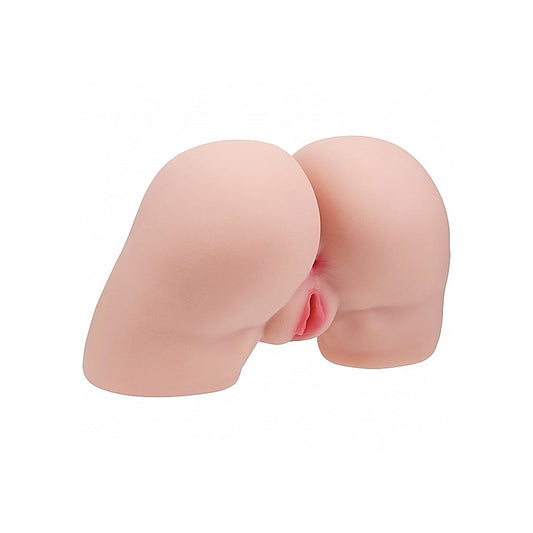





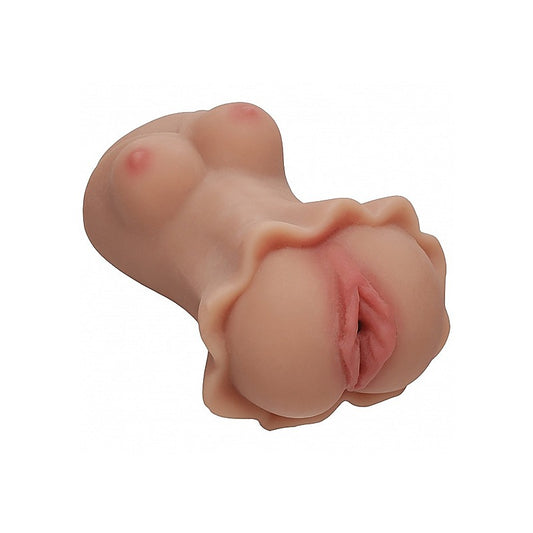

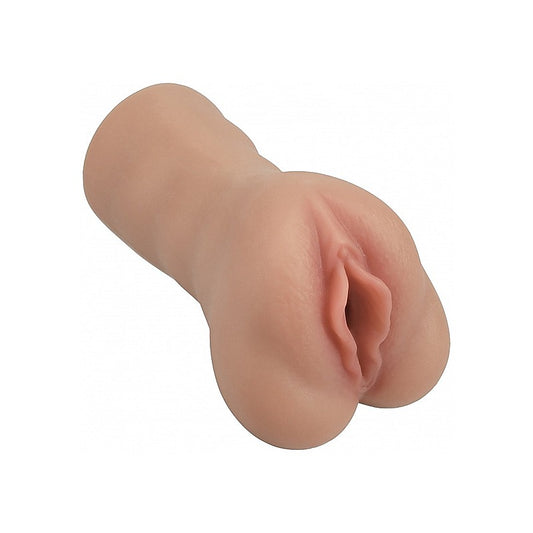

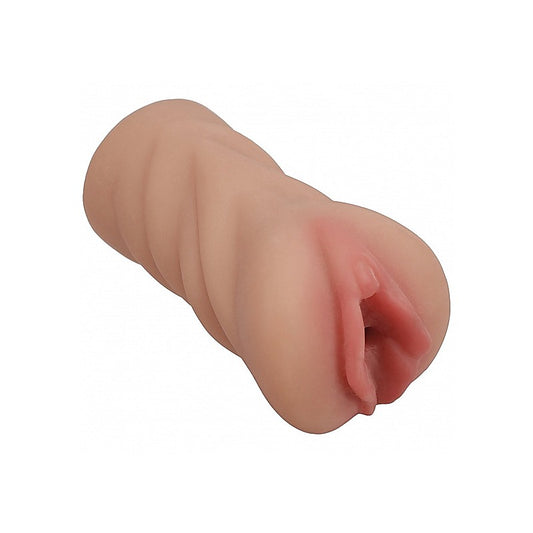

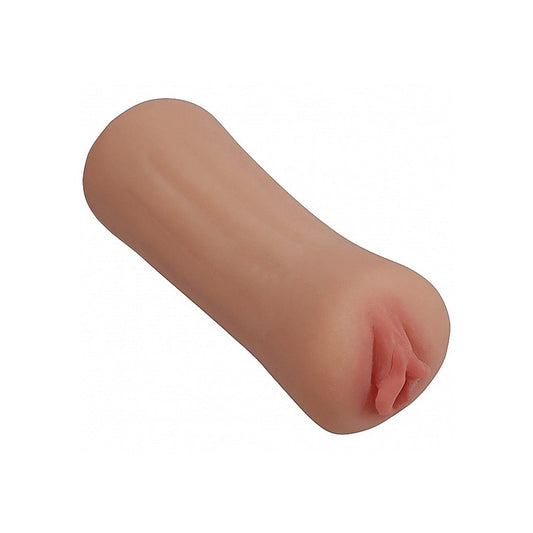









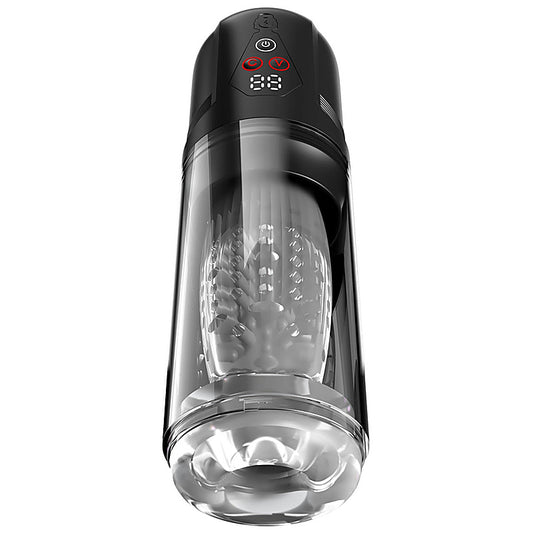

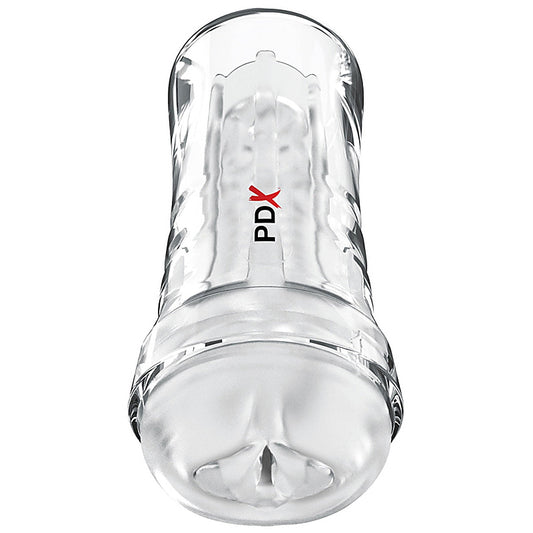

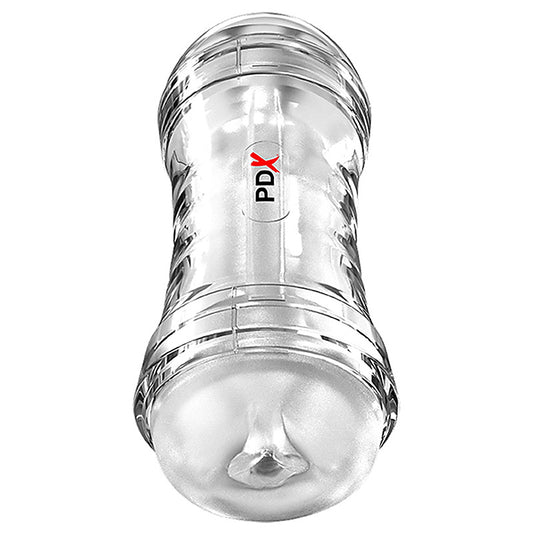


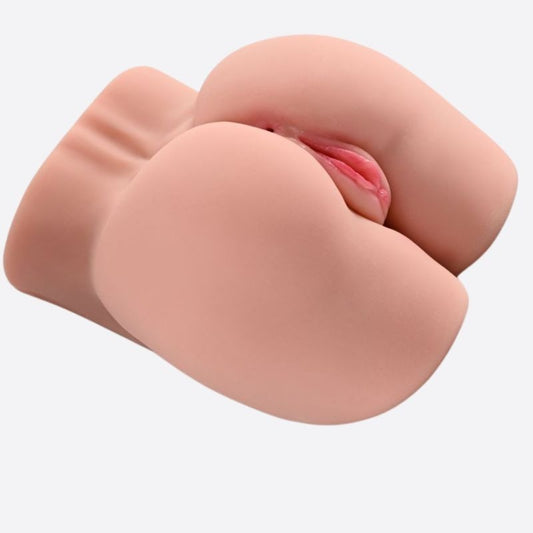

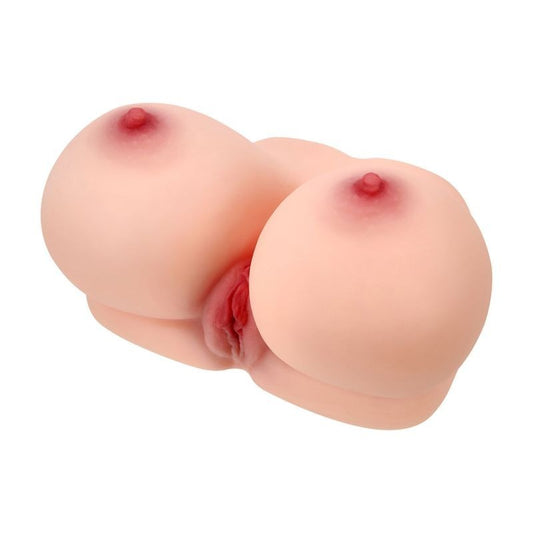

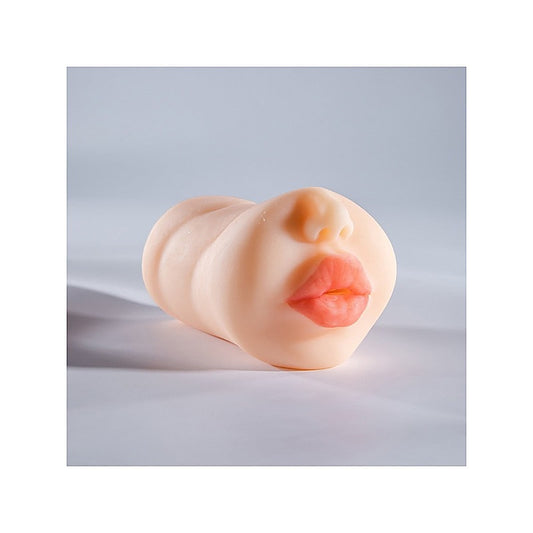

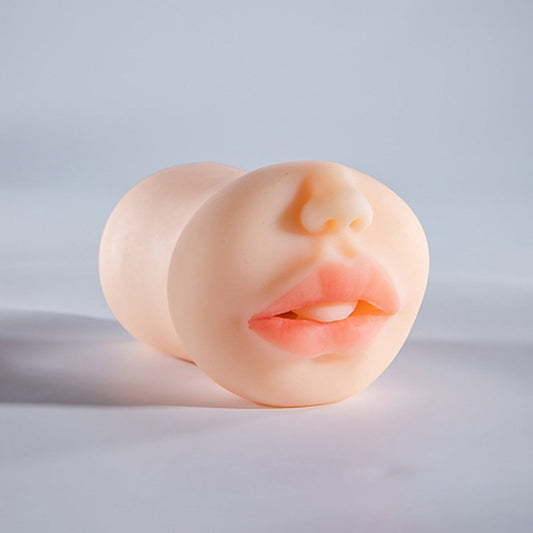

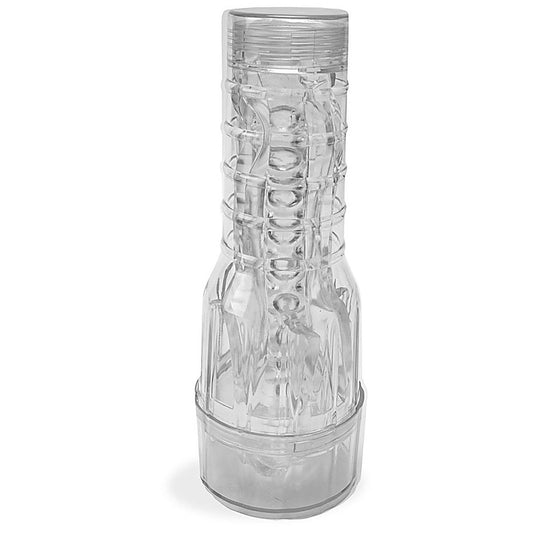
















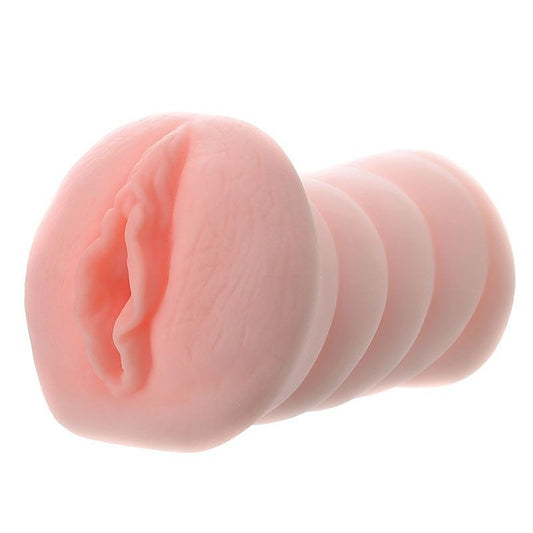









Intermediate strokers are hand-held male masturbators with moderate tightness, layered internal textures, and graduated firmness that sit between beginner softness and advanced intensity. They feature multi-zone chambers with distinct ridge patterns and transition sections, designed to build stamina and reveal texture preferences without overwhelming new users.
At a glance
|
🚚 Plain, discreet packaging • 🔒 Discreet billing • 🔁 Hygiene-conscious returns |
About Intermediate Strokers
Intermediate strokers bridge the gap between entry-level designs and aggressive advanced models. They use moderate-depth ridges, alternating pattern directions, and deliberate tightness variation to create layered sensations that build on beginner experience without overwhelming the user. The internal chambers feature distinct texture zones separated by transition sections, allowing you to experience how different patterns affect arousal pacing as you move through the stroker. Materials balance softness with structural integrity, providing noticeable resistance during insertion while maintaining comfortable stroke ease throughout longer sessions.
These strokers work well for users developing technique and learning what textures they prefer. The moderate intensity maintains session duration while increasing sensation compared to beginner designs, so you can build stamina through progressive intensity exposure. If you're ready for something more complex than a smooth beginner stroker but not yet ready for the demanding textures of advanced models, this middle tier offers extended exploration before committing to products requiring significant desensitization. For those interested in automated options, Automatic Male Strokers offer hands-free stimulation with motorized movement patterns.
What makes Intermediate Strokers different
Intermediate strokers differ from beginner models through deliberate texture complexity and tightness variation that demand active technique adjustment without causing rapid climax or discomfort. Unlike uniformly smooth entry-level designs, these strokers feature multiple distinct sensation zones you encounter sequentially, revealing which ridge types, nub placements, and chamber shapes generate your preferred responses. The balanced construction prevents the overwhelming intensity that forces constant technique adjustment, making them ideal for users building control and exploring preferences. if you're pairing stroker sessions with other elements of your play style, like Stockings and Garters for visual stimulation, these strokers provide the moderate sensation foundation you need.
Types of Intermediate Strokers
Intermediate strokers come in several distinct designs, each offering different texture combinations and chamber layouts:
Ridged chamber strokers. These feature pronounced ridge patterns running lengthwise or in spiral formations, creating consistent resistance and defined texture zones. Ridge intensity varies from moderate to firm, and transition sections between chambers allow you to feel distinct pattern changes during each stroke.
Textured nub strokers. Small raised nubs cover the internal walls in varying densities, creating a bumpy sensation that intensifies as you progress through the stroker. Nub placement often alternates between zones to prevent monotony and challenge your technique without overwhelming sensation.
Multi-chamber progressive strokers. These divide the internal space into three or four distinct zones, each with its own texture profile. You might encounter smooth entry, moderate ribs in the middle section, and firmer nubs toward the end, creating a journey of increasing intensity. Massage Oils designed for intimate use can enhance glide comfort if you prefer a different lubrication feel than standard water-based stroker lube.
Wave and spiral strokers. Internal patterns flow in wave or spiral formations rather than straight ridges, creating twisting sensations that challenge stroke control and reveal preferences for rotational versus linear movement.
How they compare
| Model Type | Material | Best for | Control or Base | Safety |
|---|---|---|---|---|
| Ridged Chamber | Soft silicone or TPE | Users learning texture preferences through clear ridge feedback | Hand-held; moderate grip strength | Body-safe silicone; water-based lube only |
| Textured Nub | TPE or premium silicone | Those wanting bumpy, varied sensation without extreme intensity | Hand-held; moderate to firm tightness | Non-porous TPE; compatible with water-based lube |
| Multi-Chamber Progressive | Soft to medium silicone | Users building stamina through graduated texture intensity | Hand-held; balanced resistance throughout | Body-safe silicone; rinse all internal zones thoroughly |
| Wave and Spiral | TPE or medical-grade silicone | Experienced users exploring rotational movement patterns | Hand-held; requires technique adaptation | Hypoallergenic materials; water-based lube essential |
How to choose an intermediate stroker
Start by considering what beginner stroker textures felt too mild. Did you want more pronounced ridges, firmer grip, or longer sensation zones? Intermediate strokers address these gaps with layered textures, but choosing the right one depends on your specific feedback. If you found beginner designs let you finish too quickly, look for strokers with tighter chambers or denser nub patterns. If you want to extend sessions without overwhelming sensation, multi-chamber progressive strokers offer graduated intensity that matches your natural arousal curve.
Think about stroke length and hand comfort too. Intermediate strokers typically measure 150–180 mm, so check that the length suits your hand size and preferred stroke depth. Some users prefer shorter, tighter strokers for focused sensation; others want longer chambers for full-hand movement. Material choice matters as well—silicone feels firmer and lasts longer, while TPE offers softer, more skin-like texture but requires more careful cleaning. Always apply water-based lubricant thoroughly to accommodate increased texture friction compared to beginner smoothness, ensuring all internal zones receive coverage. Clitoral Gels are designed for external use, but water-based personal lubricant remains the safest choice for internal stroker use and material compatibility.
Tips from the Adultsmart team
Hard-won pointers from the Adultsmart team, alongside our panel of sexologists, educators, and adult-industry contributors. Meet our experts →
After years of helping customers with intermediate strokers, we've noticed one consistent mistake: people jump straight from a basic beginner model to an advanced stroker because they assume beginner boredom means they're ready for extreme intensity. That's not always true. Intermediate strokers exist because they work. If a beginner stroker felt too easy, an intermediate model with tighter chambers and defined ridges will challenge you without causing discomfort or forcing you to stop mid-session. Give yourself time to feel the texture differences before assuming you need aggressive advanced designs.
Lubrication is non-negotiable with intermediate strokers because the increased texture friction demands consistent glide. Water-based lube is your safest bet—it won't degrade silicone or TPE, and you can reapply during longer sessions without mess. Many customers find that applying lube to both the stroker interior and their penis creates smoother, more comfortable movement than lubing just one surface. If the stroker feels too tight initially, resist the urge to force it. Instead, apply more lube and work the stroker onto your penis slowly with steady pressure. Forcing a stroker that doesn't fit properly can tear the material or cause discomfort that ruins the entire experience.
Storage and cleaning directly affect how long your stroker lasts. Always rinse the internal chambers thoroughly after use—trapped lube and moisture create mould and material breakdown over time. A toy cleaner designed for silicone and TPE helps, but warm water and gentle soap work fine. Dry the stroker completely before storing it in a cool, dry place away from direct sunlight. If you notice the material becoming sticky, stained, or developing an odour despite regular cleaning, it's time to replace it. A stroker that's breaking down isn't worth the hygiene risk.
| Please read — safety first. Charge only with the supplied cable and keep the charging port dry unless the sex toy is waterproof-rated. Pair and update through the official app, and switch the device off fully between sessions so the motor and battery aren't left under load. Never share between partners, or between anal and vaginal use, without cleaning the item first or using a fresh condom. As porous materials can harbour bacteria, use a condom over them for sharing or easy clean-up. This information is general in nature only and is not medical advice; it does not account for your individual circumstances. If you have a relevant health condition or experience any persistent discomfort, discontinue use and seek advice from a qualified medical professional. |
Care and cleaning
Rinse the stroker thoroughly inside and out with warm water immediately after use to remove lubricant and prevent material degradation. Use a toy cleaner designed for silicone or TPE, or wash gently with warm water and mild soap, paying special attention to internal chambers where lube accumulates. Dry completely with a lint-free cloth and allow air-drying before storage. Store in a cool, dry place away from direct sunlight, extreme heat, or sharp objects that could puncture the material. Check regularly for stickiness, discolouration, or odour—these signs indicate the material is breaking down and replacement is needed.
Learn more
Understanding your preferences helps you choose strokers that match your body and desires. Take the Sexual Personality Test to identify what stimulation patterns and intensities work best for you, then use those insights when selecting an intermediate stroker that fits your preferences and experience level.
Why shop Intermediate Strokers at Adultsmart
Ready to find the right one for how you play? Adultsmart stocks a curated range of intermediate strokers from trusted brands, with detailed descriptions of texture type, chamber design, material, and tightness so you can make an informed choice. We offer discreet packaging and billing, so your purchase remains private from delivery to your door. Real advice, body-safe products, and discreet delivery Australia-wide.
Intermediate Strokers FAQ
How can users determine readiness to progress from beginner to intermediate strokers?
Progress when beginner designs feel mildly stimulating rather than intensely arousing, typically after 10-20 sessions as initial sensitivity decreases. If beginner strokers require significant effort to reach climax or feel underwhelming, intermediate textures likely match current tolerance appropriately.
How do intermediate stroker dimensions affect usability across different shaft sizes?
Moderate canal diameters accommodate average girths comfortably while creating noticeable grip, though very thick users may find entry challenging and slender users experience less tightness effectiveness. Checking diameter specifications against personal measurements ensures appropriate fit for intended moderate constriction delivery.
Do multi-zone intermediate strokers allow selective texture engagement?
Varying insertion depth targets specific internal zones, letting users focus on preferred texture sections while avoiding overwhelming areas. This selectivity helps identify which pattern types work best before committing to specialized advanced designs emphasizing particular texture characteristics.
Can intermediate stroker tightness be adjusted during use?
Squeezing the exterior increases canal constriction temporarily beyond the baseline moderate grip, allowing experimentation with tighter sensations. This adjustability reveals whether progression to permanently tighter advanced designs suits preferences or if current moderate tightness suffices with occasional manual pressure increases.
How does spiral chamber design affect stimulation compared to straight ridge patterns?
Spiral textures create rotational friction as you stroke, adding twisting sensations to standard in-out movement. This directional complexity engages shaft surfaces differently than straight ridges, offering alternative stimulation styles that some users find more engaging than uniform linear patterns.
Do firmer intermediate materials require more lubricant than soft beginner strokers?
Increased firmness creates more defined texture edges that generate additional friction despite moderate depth, necessitating thorough lubrication for comfortable movement. Reapply during extended sessions if drag develops, as firmer materials maintain friction longer than compressible beginner softness.
Can alternating pattern strokers help identify texture preferences?
Direct contrast between smooth sections and textured zones within single sessions reveals which pattern types generate preferred responses. This comparison approach accelerates preference discovery compared to testing separate single-pattern strokers across multiple sessions with fading sensory memory between uses.
How does graduated tightness design support progressive tolerance building?
Starting loose and progressively constricting through the canal length allows comfortable initial insertion while deeper penetration challenges with increasing grip. This structure lets users control intensity by limiting depth until tolerance develops for full-length stroking through tightest sections.
Do intermediate strokers with closed ends create more suction than open versions?
Sealed canals trap air during insertion, generating moderate vacuum effects that enhance stimulation beyond texture and tightness alone. Open-ended intermediate designs sacrifice suction for easier cleaning and unlimited length accommodation, focusing intensity delivery through texture and grip rather than pressure buildup.
Can experienced users return to intermediate strokers without losing advanced tolerance?
Rotating between intensity levels maintains some sensitivity variation, preventing complete adaptation to maximum stimulation. Intermediate strokers provide satisfying alternatives when advanced textures feel fatiguing or for building endurance through longer moderate-intensity sessions between expert-level use.
Recently Viewed Products
Example product title
- $19.99
- $19.99
- Unit price
- per
Example product title
- $19.99
- $19.99
- Unit price
- per
Example product title
- $19.99
- $19.99
- Unit price
- per
Example product title
- $19.99
- $19.99
- Unit price
- per
Example product title
- $19.99
- $19.99
- Unit price
- per
Example product title
- $19.99
- $19.99
- Unit price
- per
Example product title
- $19.99
- $19.99
- Unit price
- per
Example product title
- $19.99
- $19.99
- Unit price
- per
Example product title
- $19.99
- $19.99
- Unit price
- per
Example product title
- $19.99
- $19.99
- Unit price
- per
Why Shop With Adultsmart?
- Choosing a selection results in a full page refresh.