



-
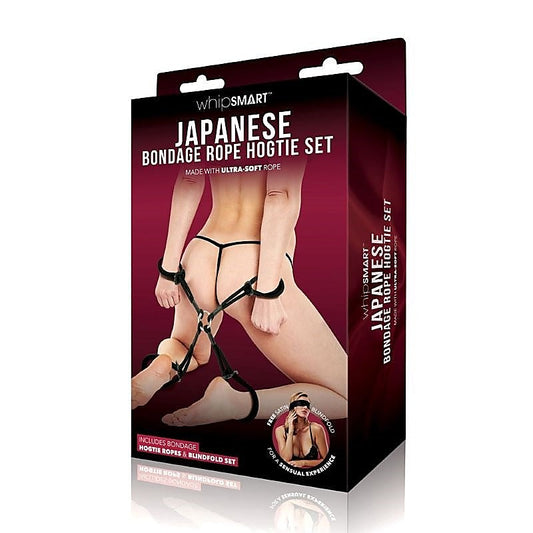
WhipSmart Japanese Bondage Rope Hogtie Set by Xgen ProductsWhipSmart Japanese Bondage Rope Hogtie Set is an adjustable restraint system featuring rope-inspired cuffs, a central O-ring, and silky blindfold for Shibari-inspired intimate play. The versatile design accommodates various body types with front and rear positioning options, creating secure yet comfortable hogtie configurations. Ideal...
- $44.99
$54.99- $44.99
- Unit price
- per
-
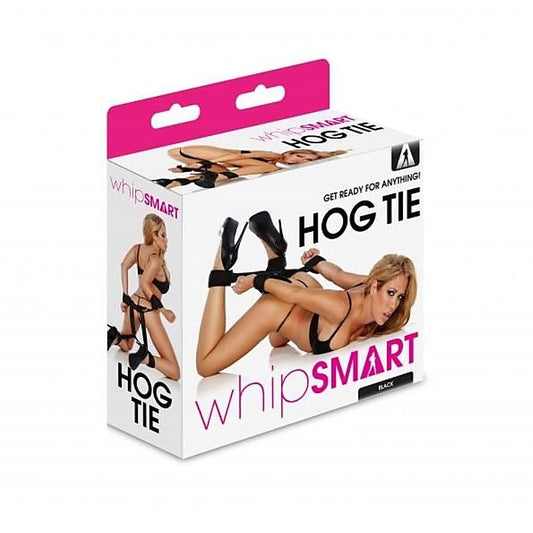
Whipsmart Hog Tie by Xgen ProductsWhipsmart Hog Tie is a padded bondage restraint system that binds wrists and ankles to thighs, creating a vulnerable yet accessible position. Made from durable materials with strategic padding, it accommodates various body types through fully adjustable straps. This restraint system enables extended sensation...
- $59.99
$74.99- $59.99
- Unit price
- per
-
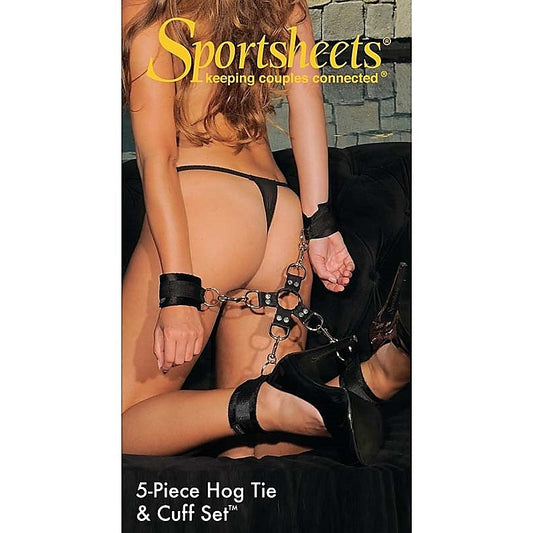
Hog Tie and Cuffs by SportsheetsSportsheets Hog Tie and Cuffs is a restraint set featuring padded nylon cuffs, adjustable straps, and a 36-inch connecting strap with metal D-ring. The quick-release buckle system enables emergency removal, while the ergonomic design accommodates various wrist and ankle sizes. It suits couples exploring...
- $76.99
$84.99- $76.99
- Unit price
- per
-
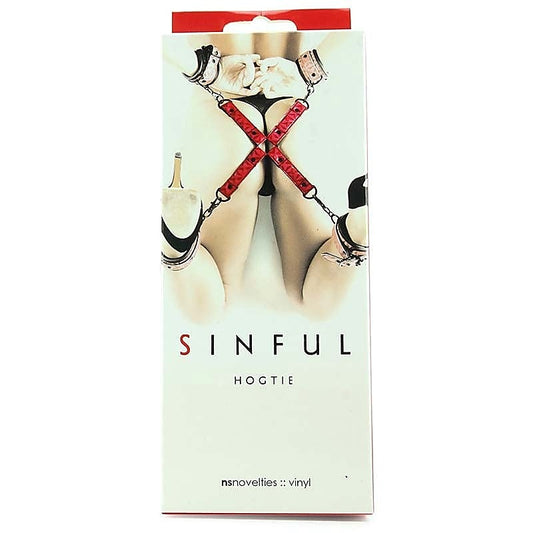
Sinful Hogtie by NS NoveltiesSinful Hogtie by NS Novelties is a vinyl restraint system with strategically placed D-rings for connecting wrist and ankle cuffs. Featuring nickel-free black hardware and available in black or pink, it supports extended bondage sessions with smooth edges and durable construction. This hogtie suits...
- $8.99
$14.99- $8.99
- Unit price
- per
-
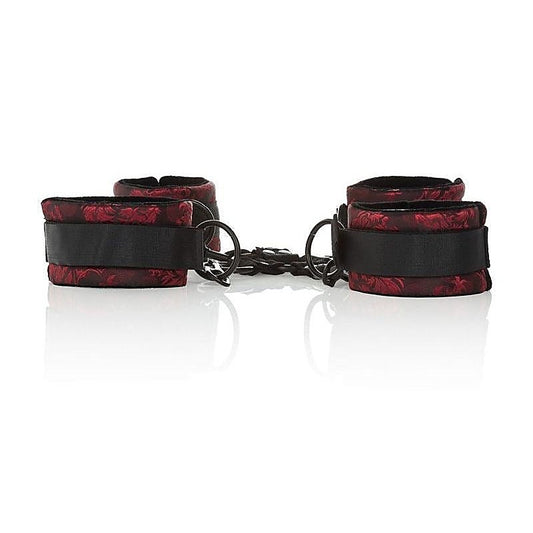
Scandal Hog Tie by California ExoticsScandal Hog Tie by California Exotics is a luxurious bondage restraint featuring plush-lined detachable cuffs and a 4-point harness. Crafted from elegant brocade fabric with nickel-free hardware, it accommodates wrists and ankles up to 14.5 inches in circumference. Universal swivel clasps enable smooth movement...
- $89.99
$94.99- $89.99
- Unit price
- per
-
Renegade BDSM Hogtie by NS NoveltiesRenegade BDSM Hogtie is a professional-grade ankle restraint set featuring dual-layer vinyl and neoprene construction. Measuring 30 cm x 15 cm x 10 cm with adjustable sizing, these cuffs deliver secure restraint with extended comfort. The soft neoprene lining prevents chafing during prolonged wear,...
- $14.99
$19.99- $14.99
- Unit price
- per
-
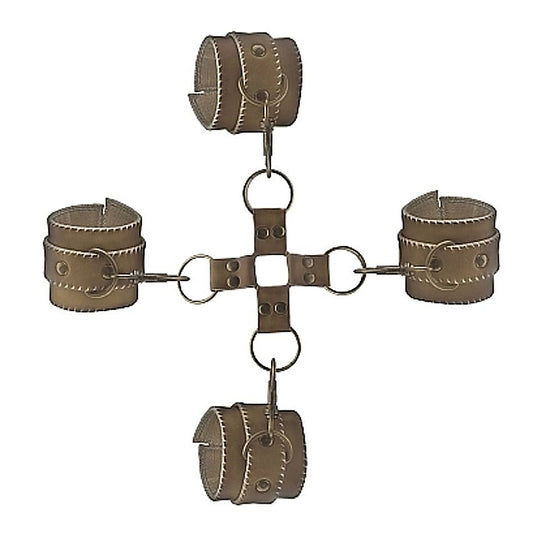
Bonded Hogtie Brown by Shots ToysPremium Bonded Hogtie Brown by Shots Toys is a leather restraint accessory designed for power exchange dynamics. Measuring 6.85 x 5.55 x 2.8 inches with seven adjustment holes, it features premium bonded leather construction and brass hardware. The brown leather with white stitching suits...
- $40.99
$44.99- $40.99
- Unit price
- per
-
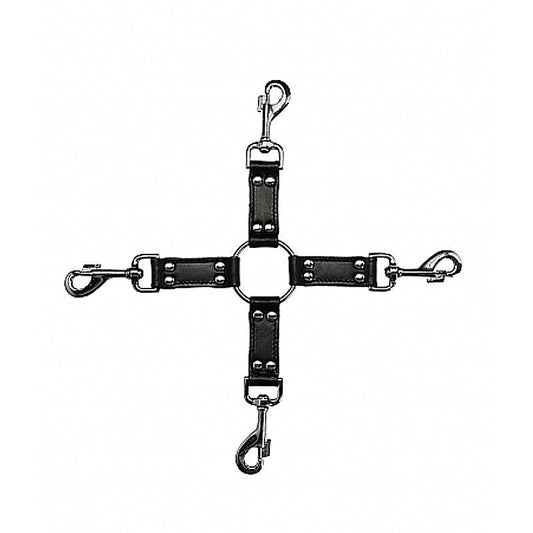
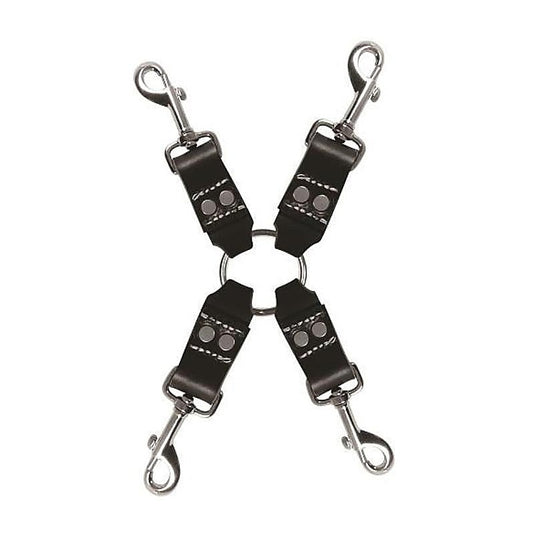
Pain 4-Way Leather Hogtie by Shots ToysPain 4-Way Leather Hogtie by Shots Toys is a premium restraint system featuring four leather straps connected to a 3.9-centimeter stainless steel O-ring. Weighing 290 grams with dimensions of 35 x 35 x 0.7 centimeters, it delivers multi-directional positioning through quick-release clips. This system...
- $49.99
$54.99- $49.99
- Unit price
- per
-
Ouch! Reversible BDSM Play Hogtie Black by Shots ToysOuch! Reversible BDSM Play Hogtie Black is a dual-material restraint system featuring reversible PU leather and neoprene cuffs with Velcro fastening. The adjustable snap button configuration allows customizable positioning, while the one-size-fits-most design accommodates various body types. It suits couples and experienced players seeking...
- $98.99
$109.99- $98.99
- Unit price
- per
-
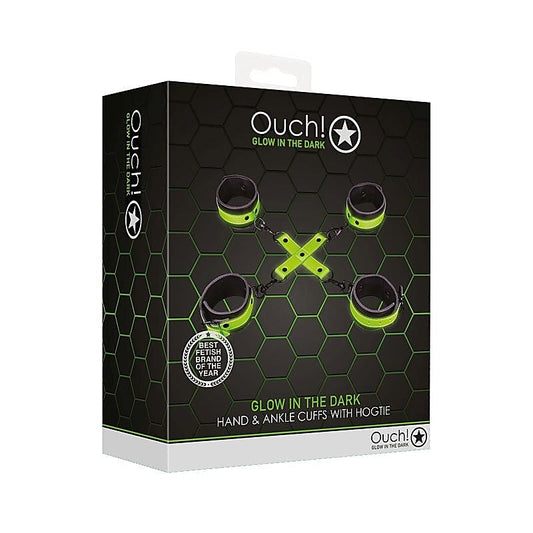
Glow in Dark Hand & Ankle Cuffs with Hogtie by Shots ToysOUCH! Glow in Dark Hand & Ankle Cuffs with Hogtie is a luminous restraint system combining wrist and ankle cuffs with a central hogtie connector. Measuring 30cm handcuffs and 35cm ankle cuffs with a 12cm hogtie, this set features 90% PU leather construction that...
- $69.99
$79.99- $69.99
- Unit price
- per
-
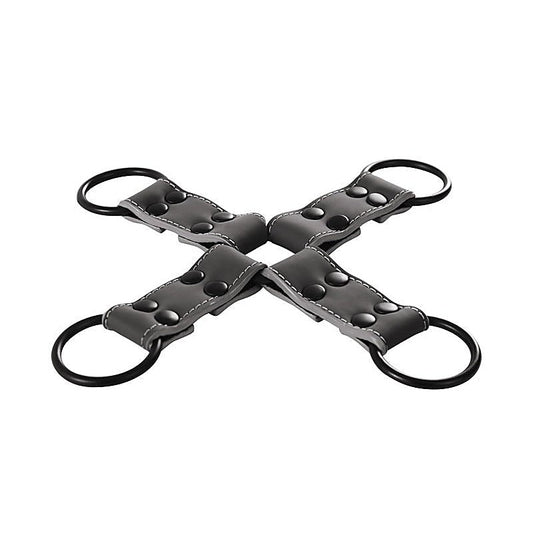
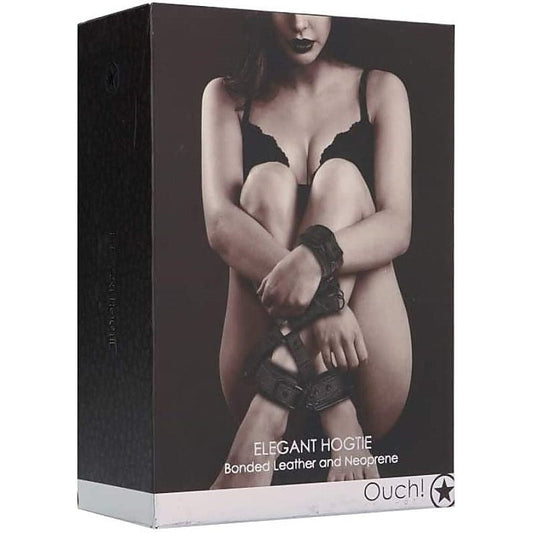
Elegant Hogtie by Shots ToysOuch! Elegant Hogtie is a premium restraint system combining bonded leather, neoprene, and PVC with a titanium grey connector. The cross-shaped hub spans 26.5 centimeters, with wrist cuffs adjustable from 19-29 centimeters and ankle cuffs from 20.5-33.5 centimeters across multiple securing points. It suits...
- $76.99
$84.99- $76.99
- Unit price
- per
-
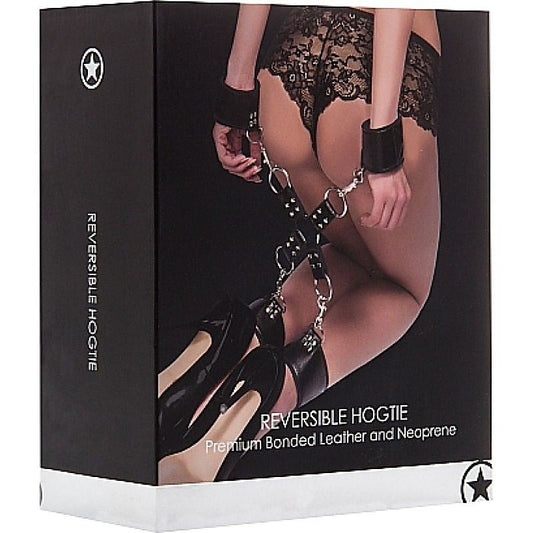
Ouch Reversible Hogtie by Shots ToysOuch Reversible Hogtie is a dual-sided restraint connector designed for bondage positioning. Constructed from faux leather and neoprene with 20 cm connector length and 2.5 cm strap width, it features professional-grade metal hardware and universal cuff compatibility. This accessory suits people seeking versatile restraint...
- $58.99
$64.99- $58.99
- Unit price
- per
-
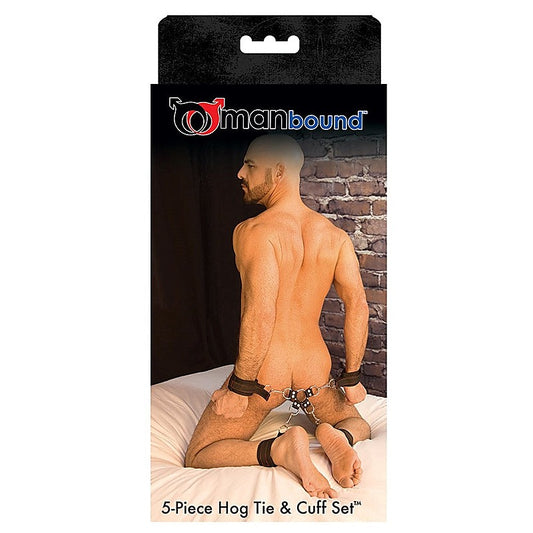
Manbound Hog Tie and Cuffs by SportsheetsManbound Hog Tie and Cuffs by Sportsheets is a five-piece restraint system featuring a heavy-duty metal O-ring hub with four adjustable Velcro cuffs. The professional-grade construction delivers secure positioning with reinforced attachment points and specialized fabric that prevents skin irritation during extended wear. It...
- $49.99
$54.99- $49.99
- Unit price
- per
-
Lust Bondage Hogtie Purple by NS NoveltiesThe Lust Bondage Hogtie in Purple from NS Novelties is a professional-grade restraint system featuring faux leather construction with neoprene lining and metal hardware. At 8 x 8 inches with a central O-ring distributing tension across four restraint points, it secures wrists and ankles...
- $26.99
$29.99- $26.99
- Unit price
- per
-
Fetish Fantasy Japanese Bondage Silk Rope HogtieFetish Fantasy Japanese Bondage Silk Rope Hogtie is a pre-configured restraint system designed for complete limb immobilization in the classic hogtie position. Constructed from soft synthetic silk rope with innovative sliding cinch mechanisms, it secures both wrists and ankles behind the back without requiring...
- $67.99
$74.99- $67.99
- Unit price
- per
-
GLO Bondage Hog Tie by NS NoveltiesGLO Bondage Hog Tie is a four-point restraint system measuring 9.3 inches with glow-in-the-dark synthetic construction. The green luminescent feature activates in darkness for visibility and atmospheric enhancement during restraint play. It accommodates standard cuffs and restraints with multiple attachment configurations, making it suitable...
- $34.99
$39.99- $34.99
- Unit price
- per
-
Fetish Fantasy Silk Rope BDSM Play HogtieFetish Fantasy Silk Rope BDSM Play Hogtie is a pre-configured restraint system crafted from soft silk rope with a central metal O-ring for tension distribution. Measuring approximately 60 inches in total length with specialized silk construction, it delivers immediate hogtie positioning without complex knot...
- $15.99
$24.99- $15.99
- Unit price
- per
-
Fetish Fantasy Series Extreme Bondage Hogtie KitFetish Fantasy Series Extreme Bondage Hogtie Kit is a complete restraint system featuring padded neoprene cuffs and a heavy-duty metal connector with spring-loaded clips. Designed for the hogtie position, it accommodates various wrist and ankle sizes through Velcro closures and creates complete immobilization for...
- $40.99
$44.99- $40.99
- Unit price
- per
-
Fetish Fantasy Limited Edition Cumfy BDSM HogtieFetish Fantasy Limited Edition Cumfy BDSM Hogtie is a complete restraint system featuring four padded cuffs and a central connector for secure hogtie positioning. The dual-layer faux leather and fur construction prevents chafing during extended wear, while adjustable straps accommodate various body types. Heavy-duty...
- $74.99
$89.99- $74.99
- Unit price
- per
-
Fetish Fantasy Hogtie Bondage Bar by Pipedream ProductsPipedream Fetish Fantasy Hogtie Bondage Bar is a metal restraint system designed for immobilizing partners in hogtie position. The bar spans 24 inches with four padded neoprene cuffs and metal chains featuring spring-loaded clips. It elevates hips for improved penetration angles and supports various...
- $48.99
$54.99- $48.99
- Unit price
- per
-
Fantasy BDSM Play Hogtie by Pipedream ProductsPipedream Fetish Fantasy Gold Fantasy BDSM Play Hogtie is a premium restraint system combining wrist and ankle cuffs with a central O-ring connector. Featuring faux leather straps with plush lining, adjustable metal buckles, and spring-loaded clips, it accommodates various body types for customized power...
- $71.99
$79.99- $71.99
- Unit price
- per
-
Edge Leather 4 Point Hog Tie by SportsheetsEdge Leather 4 Point Hog Tie is a premium BDSM restraint system handcrafted in the USA from select cowhide leather. Featuring a 2-inch nickel-free metal O-ring with four heavy-duty quick-release clips, it accommodates multiple restraint positions. Hand-stitched construction and medical-grade hardware make it suitable...
- $58.99
$64.99- $58.99
- Unit price
- per
-
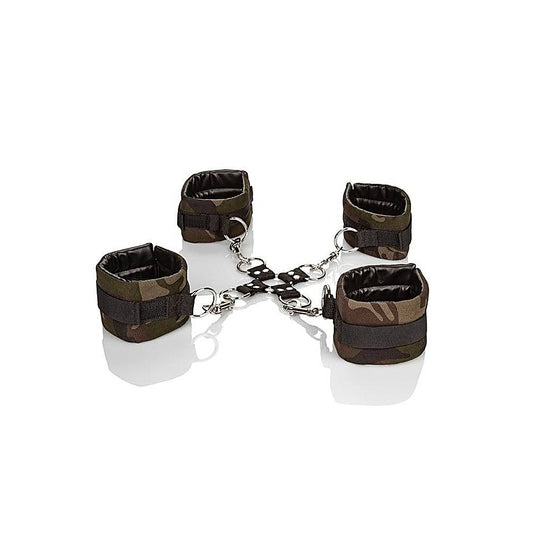
Colt Camo Fetish Play Hog Tie RestraintsColt Camo Fetish Play Hog Tie Restraints is a four-point bondage restraint system featuring padded cuffs, central O-ring harness, and adjustable Velcro straps. Constructed from durable camouflage canvas with nickel-free zinc alloy hardware, it accommodates various body sizes through micro-adjustment capability. The swiveling universal...
- $74.99
$79.99- $74.99
- Unit price
- per
-
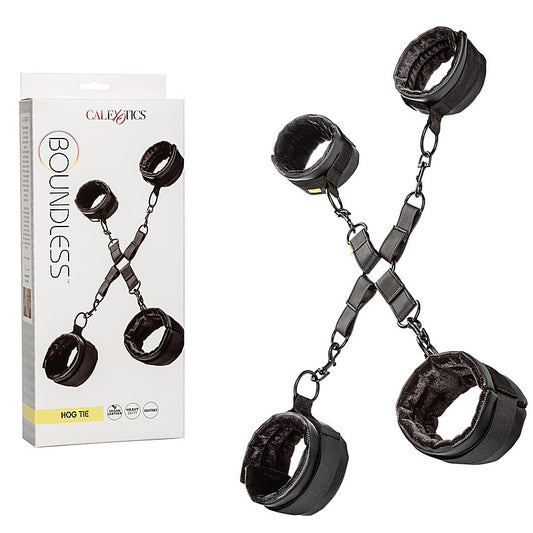
Boundless Bondage Hog Tie by California ExoticsCalifornia Exotics Boundless Bondage Hog Tie is a four-cuff immobilization restraint system with central hub connection and 360-degree swivel hardware. The double-padded wrist and ankle cuffs accommodate up to 16 inches circumference with infinite adjustment, while nickel-free rings and professional-grade construction withstand intense struggling....
- $69.99
$74.99- $69.99
- Unit price
- per
-
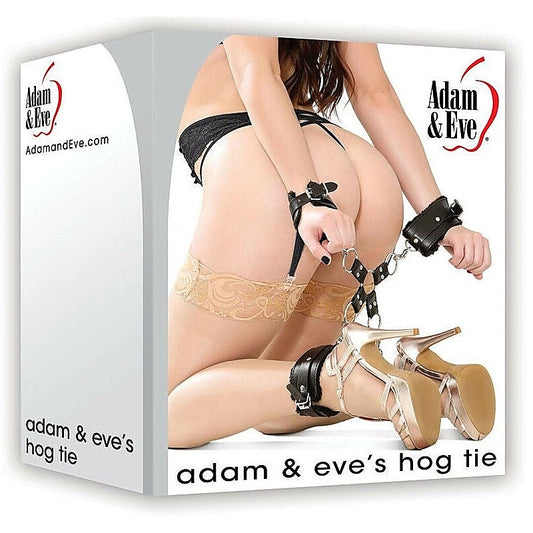
Hog Tie by Adam & Eve SextoysAdam and Eve's Hog Tie is a premium restraint system featuring vegan leather construction with adjustable hand and leg cuffs connected by a central hog-tie point. The faux fur-lined cuffs accommodate various body types while maintaining secure positioning. It includes a quick-release mechanism and...
- $53.99
$59.99- $53.99
- Unit price
- per
VISIT XVIDEO FOR ADULT DVDS



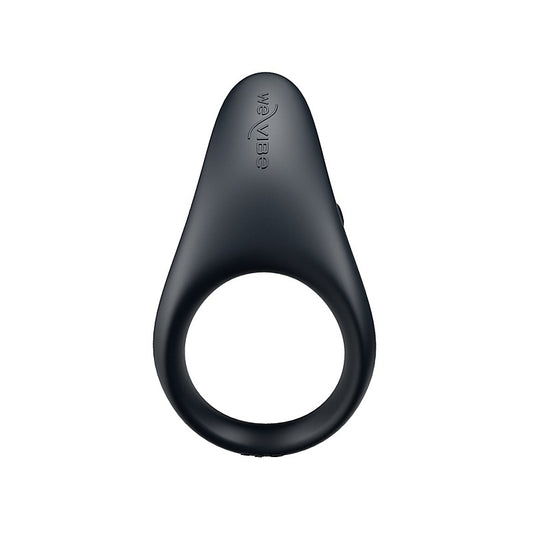
We-Vibe Verge 2 App Compatible Cock Ring by Love Honey
We-Vibe Verge 2 is an app-compatible cock ring designed for triple-point stimulation around the penis, testicles, and perineum. Crafted from body-safe silicone, it delivers powerful rumbly vibrations across 6 pattern modes and 4 intensity levels. The enhanced stretchy design accommodates various sizes for comfortable...
- $189.99
$199.99- $189.99
- Unit price
- per
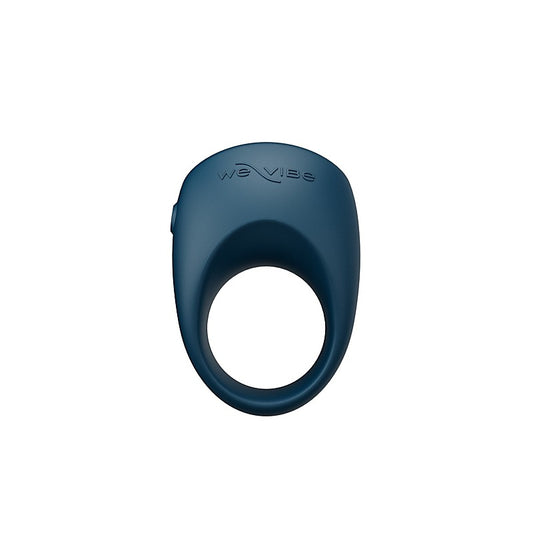
We-Vibe Pivot 2 App Controlled Cock Ring by Love Honey
We-Vibe Pivot 2 is an app-controlled cock ring designed for partnered stimulation, featuring rumbly vibrations that stimulate both penis and clitoris simultaneously. The stretchy silicone body measures 7.1 × 5.2 × 3 cm and delivers 4 intensity levels across 6 vibration patterns via Bluetooth...
- $159.99
$169.99- $159.99
- Unit price
- per
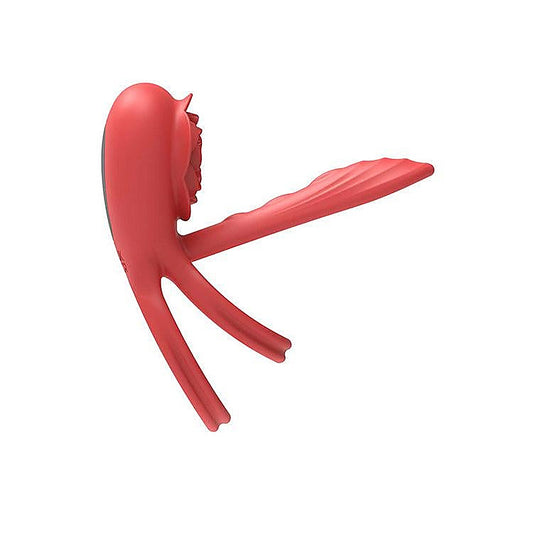
Vibrating Rose Girth Enhancer by Adam & Eve
- Red
Adam & Eve VIBRATING ROSE GIRTH ENHANCER is a dual-ring cock ring with clitoral stimulator designed for couples seeking enhanced performance and shared pleasure. Measuring 3 inches long with 7 vibration modes and a textured clitoral stimulator, it combines penile support with external stimulation....
- $99.99
$119.99- $99.99
- Unit price
- per











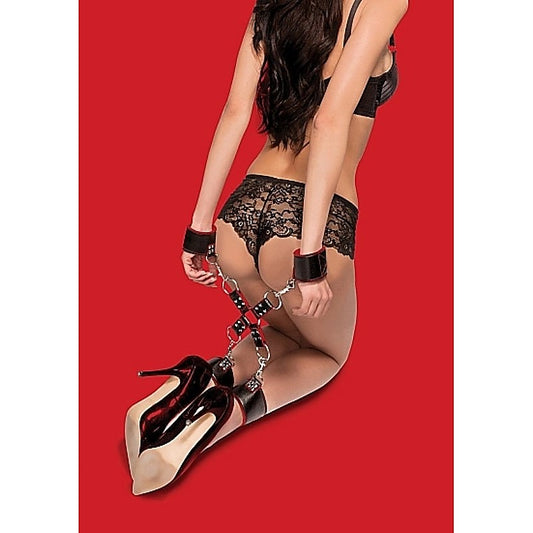


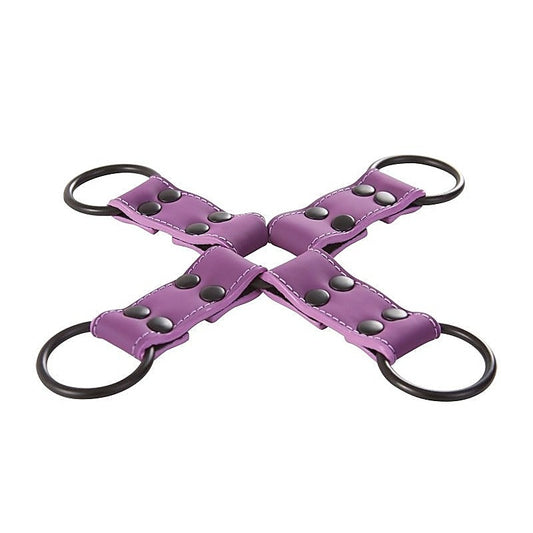

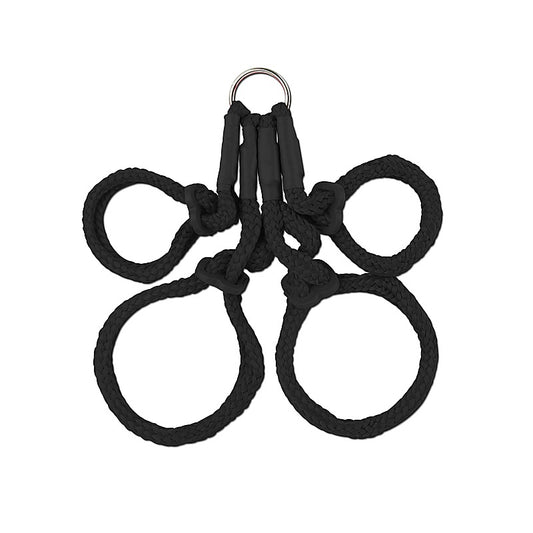

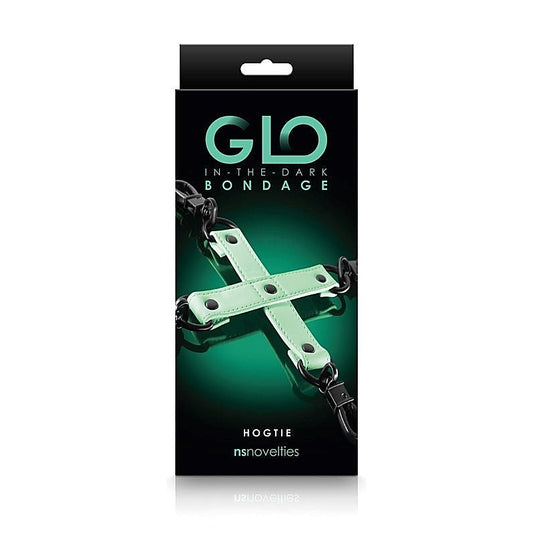

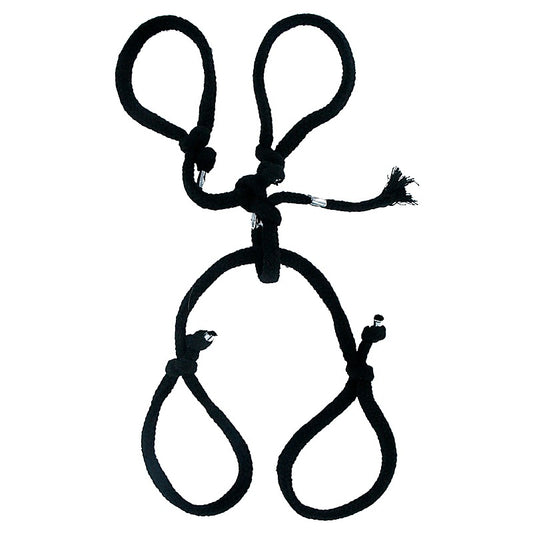

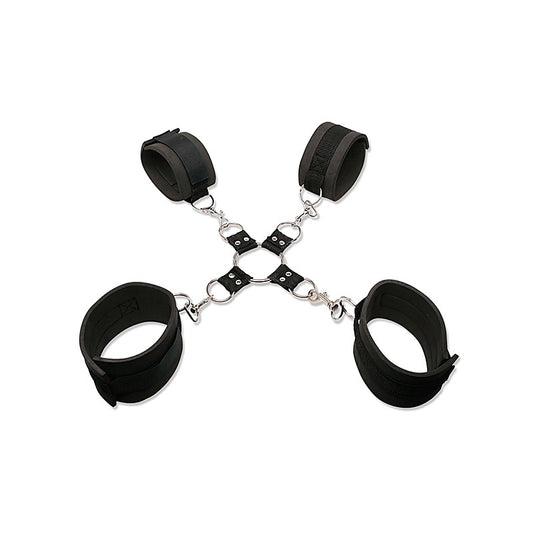

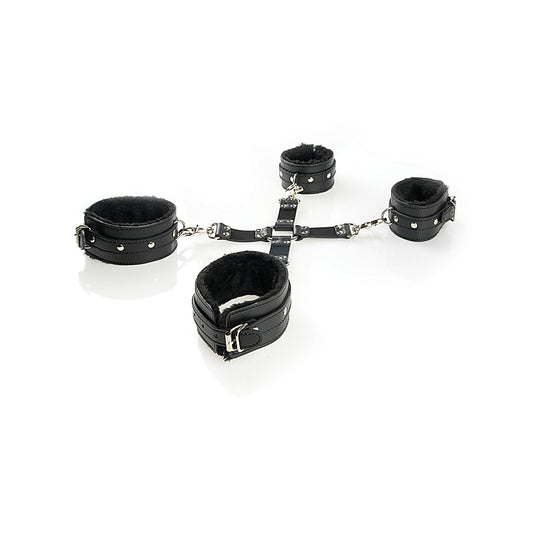

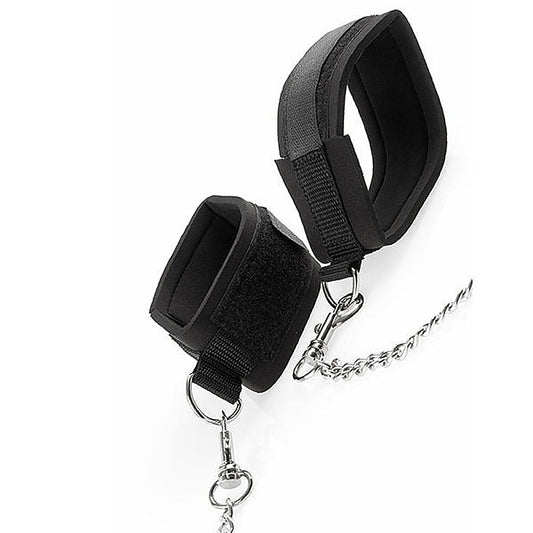

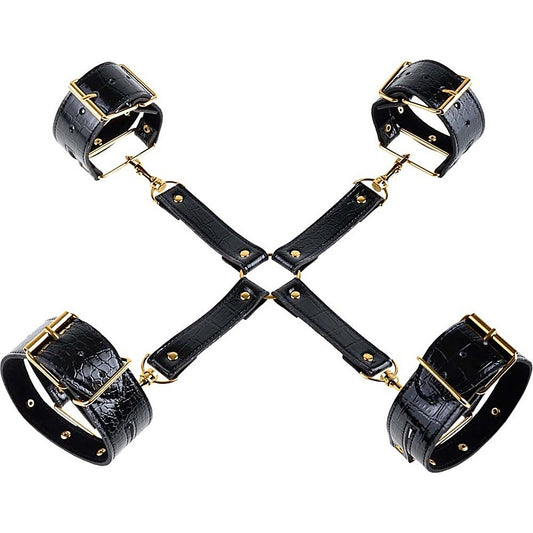





Hogtie kits bundle wrist cuffs, ankle manacles, and connector straps or chains sized specifically for hogtie positions—where bound wrists attach to bound ankles behind the back. These sets eliminate guesswork about compatible lengths and attachment points for safe, balanced restraint.
At a glance
|
🚚 Plain, discreet packaging • 🔒 Discreet billing • 🔁 Hygiene-conscious returns |
About Hogtie Kits
Hogtie kits are designed for bondage positions where wrists and ankles are bound together behind the back, creating a classic, restrictive configuration. The position arches the back, limits leg movement, and prevents arm use simultaneously. These kits include matched wrist cuffs, ankle manacles, and connection hardware—typically straps or chains 15–40 cm long—sized to work together safely without improvisation. Materials range from soft neoprene and leather to durable nylon, with steel or stainless steel D-rings and attachment points. Couples Bondage Kits often include hogtie options for partners exploring restraint together.
Hogtie kits suit experienced bondage users who understand the demands of complex positions. They require significant flexibility, awareness of circulation and joint stress across shoulders, wrists, ankles, knees, and lower back, and commitment to shorter session times than simpler restraint types. Many kits offer adjustable-length connectors or multiple strap options, allowing users to find comfortable positioning for different body sizes and flexibility levels. Some deluxe sets include safety guides, storage bags, or safety shears for quick release.
What makes Hogtie Kits different
Hogtie kits differ from general bondage restraints because every component—cuff size, connector length, and attachment point—is pre-sized for hogtie positioning. Generic wrist and ankle restraints often require improvised connections that are either too short (causing painful joint stress) or too long (providing insufficient restriction and control). Bondage Kits offer broader versatility for multiple positions, whereas hogtie kits are purpose-built for this single, demanding configuration. This specificity makes hogtie kits safer and more comfortable for users committed to exploring this advanced position.
Types of Hogtie Kits
Hogtie kits come in several formats to match experience level and desired intensity.
Basic four-point kits. These include two wrist cuffs, two ankle manacles, and one fixed-length or adjustable connector strap linking them directly. They suit users who want straightforward restraint without extra complexity.
Center-ring systems. All four restraints attach to a central D-ring, distributing pulling force more evenly than direct wrist-to-ankle connections. This design reduces joint stress and allows some micro-movement, making longer sessions slightly more comfortable. Anal Training Kits and other advanced bondage gear often use similar center-ring architecture for load distribution.
Deluxe five-point kits. These add a collar restraint, creating a five-point hogtie system where the collar connects to the center ring or ankle restraints. The added restriction and vulnerability appeal to users seeking maximum control and intensity.
Extended kits with multiple connectors. Some bundles include short, medium, and long strap options, allowing experimentation to find the most comfortable positioning for different users or body types.
How they compare
| Model | Material | Best for | Control or Base | Safety |
|---|---|---|---|---|
| Basic Leather Hogtie Kit | Leather cuffs, steel D-rings, leather strap connector | Users preferring classic feel and easy cleaning | Fixed 25 cm connector; direct wrist-to-ankle link | Leather shows wear, allowing damage spotting; requires regular conditioning |
| Neoprene Center-Ring Hogtie | Neoprene-lined cuffs, stainless steel hardware, adjustable nylon straps | Comfort-focused users; longer sessions; multiple body sizes | Central D-ring; 15–40 cm adjustable connectors | Neoprene padding reduces circulation risk; adjustability suits varied flexibility |
| Five-Point Deluxe Kit | Nylon cuffs and collar, stainless steel hardware, multiple connector options | Experienced users seeking maximum restriction and vulnerability | Five attachment points; short and long connectors included | Collar adds neck stress; requires clear safe word and frequent checks |
| Adjustable Multi-Length Kit | Synthetic leather cuffs, steel hardware, interchangeable strap connectors | Couples or solo users exploring different intensity levels | Three connector lengths (15, 25, 35 cm) in one kit | Multiple options reduce need for improvisation; suit learning phase well |
How to choose a hogtie kit
Start by assessing your flexibility and bondage experience. Hogtie positions demand significant back, shoulder, and hip range of motion—never attempt one without prior experience using wrist and ankle restraints separately. Test your flexibility by attempting the position without restraints first, noting any discomfort or strain. Choose a kit with adjustable-length connectors if you're new to hogties; fixed lengths suit experienced users who know their body's limits.
Consider materials based on care preference and skin sensitivity. Leather looks classic but requires conditioning and regular inspection for cracks. Neoprene-lined cuffs offer comfort for longer sessions and padding that reduces circulation risk. Stainless steel hardware resists rust and lasts longer than plated steel. If you plan to wear Chemises or other clothing over your restraints, choose cuffs that won't snag delicate fabrics. Always prioritize kits with safety features—quick-release mechanisms, storage bags, or included safety shears—and never use a hogtie kit without a clear safe word and a partner who checks your circulation every few minutes.
Tips from the Adultsmart team
Hard-won pointers from the Adultsmart team, alongside our panel of sexologists, educators, and adult-industry contributors. Meet our experts →
After years of helping customers with hogtie kits, we've noticed the most common mistake: starting with a connector that's too long. Users think extra length means comfort, but it actually defeats the purpose of the hogtie and puts stress on joints trying to maintain tension. Your first kit should have a connector around 25 cm—short enough to create real restriction without forcing your joints into painful angles. You can always try longer connectors later once you know your body's limits.
Flexibility testing matters far more than you'd think. We often have customers come in convinced they're ready for hogties, then struggle when they try them on. Spend a week or two practicing your flexibility separately—lie on your back and gently pull your wrists toward your ankles, noting how close they naturally come. If there's a gap, that's information. A good hogtie kit with an adjustable center-ring system lets you work within your actual range, not force yourself into someone else's ideal position. Patience here prevents injury.
Communication and monitoring are non-negotiable. Hogties stress multiple joints at once—shoulders, wrists, ankles, lower back, knees. That means circulation checks need to happen more often than with simple wrist cuffs. We always recommend keeping safety shears within arm's reach of your partner, checking skin color and sensation every two to three minutes, and keeping initial sessions to 10–15 minutes. If this feels restrictive, that's the point—but it also means you need to be serious about safe words and never, ever leaving someone in a hogtie alone.
| Please read — safety first. Charge only with the supplied cable and keep the charging port dry unless the sex toy is waterproof-rated. Pair and update through the official app, and switch the device off fully between sessions so the motor and battery aren't left under load. This information is general in nature only and is not medical advice; it does not account for your individual circumstances. If you have a relevant health condition or experience any persistent discomfort, discontinue use and seek advice from a qualified medical professional. |
Care and cleaning
Clean your hogtie kit after each use with warm soapy water and a soft cloth, paying special attention to cuffs and connector attachment points where sweat and oils accumulate. Dry thoroughly with a clean towel before storage. Leather cuffs benefit from leather conditioner applied monthly to prevent cracking. Neoprene and nylon can be wiped down and air-dried. Check steel hardware regularly for rust; stainless steel resists corrosion better. Store kits in a cool, dry place away from direct sunlight, and inspect straps and D-rings before each use for signs of wear or damage.
Learn more
Hogtie kits represent one category within the broader world of bondage and restraint play. For more ideas on building a complete bondage collection or exploring different types of restraint together, read our guide to Exciting Sex Kits. Knowledge and planning make every session safer and more satisfying.
Why shop Hogtie Kits at Adultsmart
Looking for a piece that actually fits how you play? Adultsmart stocks a range of hogtie kits selected for quality, safety features, and real-world usability—not marketing hype. We pack discreetly with unmarked packaging and billing so your privacy stays protected. Australia's adult lifestyle specialists, helping you buy with confidence.
Hogtie Kits FAQ
Are hogtie kits suitable for beginners?
No, hogties are advanced positions requiring flexibility, experience with simpler bondage, and multiple-joint-stress awareness. Master basic wrist and ankle restraints separately for several months before attempting hogtie combinations.
Do I need to practice flexibility exercises before attempting hogties?
Not required but helpful. Shoulder and hip stretches improve comfort and allow tighter positioning. However, never force positions—work within current flexibility, progressing gradually. Some bodies never achieve tight hogties regardless of stretching
How long can someone stay in a hogtie safely?
10–15 minutes maximum for first attempts. Extend to 20–30 minutes with experience as flexibility improves. Never exceed 30 minutes due to multiple joint stress even with experience. Check circulation every 5 minutes.
Do hogties require special flexibility?
Yes, significant shoulder, hip, knee, and spinal flexibility. Most people cannot achieve tight hogties initially. Start with loose positioning (35–40 cm connections), progressing to tighter configurations over multiple sessions as flexibility develops.
What is the difference between hogtie kits and regular restraint sets?
Hogtie kits include connection hardware specifically sized for wrist-to-ankle behind-back positioning (15–40 cm). Regular sets lack these purpose-designed connectors, requiring improvisation that often creates too-short (painful) or too-long (ineffective) connections.
Can hogties cause injury?
Yes, if forced beyond flexibility limits or maintained too long. Sharp pain in shoulders, knees, ankles, or back indicates excessive stress potentially causing joint injury. Always start loose, progress gradually, and respect pain signals immediately.
What if someone panics while in a hogtie?
They use their safe word, and you release immediately. Keep safety shears accessible to cut connections quickly. Practice emergency release procedures. Complete immobilization prevents self-release, making panic protocols absolutely critical.
Why can't I stay in a hogtie as long as simple wrist restraints?
Hogties stress shoulders, wrists, ankles, knees, and back simultaneously. Combined stress accumulates faster than single-joint stress. 30 minutes in hogtie creates more strain than 60 minutes in wrist cuffs alone.
Should connections be adjustable or fixed-length?
Adjustable is better—allows finding comfortable length for different body sizes and flexibility levels. Fixed-length works if you know your exact comfortable positioning, but adjustable provides safety flexibility during sessions if loosening becomes necessary.
Can hogtie kits be used for other bondage positions?
Yes, most include standard wrist and ankle restraints working for other positions. The connection hardware is hogtie-specific, but restraints themselves serve multiple purposes. Consider versatile sets if wanting beyond just hogtie use.
Recently Viewed Products
Example product title
- $19.99
- $19.99
- Unit price
- per
Example product title
- $19.99
- $19.99
- Unit price
- per
Example product title
- $19.99
- $19.99
- Unit price
- per
Example product title
- $19.99
- $19.99
- Unit price
- per
Example product title
- $19.99
- $19.99
- Unit price
- per
Example product title
- $19.99
- $19.99
- Unit price
- per
Example product title
- $19.99
- $19.99
- Unit price
- per
Example product title
- $19.99
- $19.99
- Unit price
- per
Example product title
- $19.99
- $19.99
- Unit price
- per
Example product title
- $19.99
- $19.99
- Unit price
- per
Why Shop With Adultsmart?
- Choosing a selection results in a full page refresh.