



-
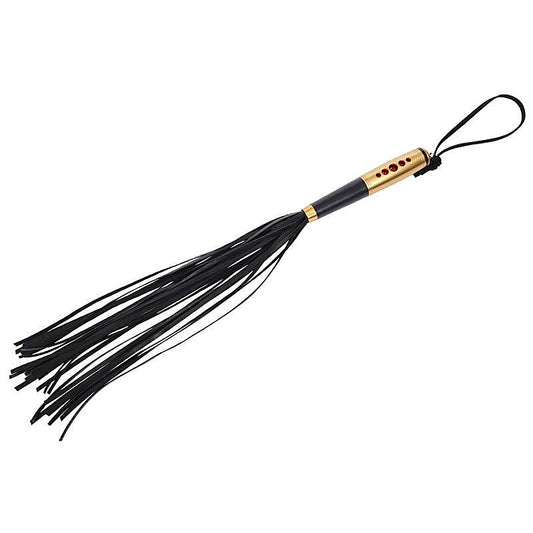
Midnight Bling Fetish Play Flogger by SportsheetsThe Midnight Bling Fetish Play Flogger by Sportsheets is a luxury impact play implement featuring 40 vegan-friendly vinyl falls and a cubic zirconia-adorned handle. Measuring 12.25 inches total with an 8.25-inch fall length, it delivers sensations ranging from gentle caresses to assertive contact. This...
- $44.99
$49.99- $44.99
- Unit price
- per
-
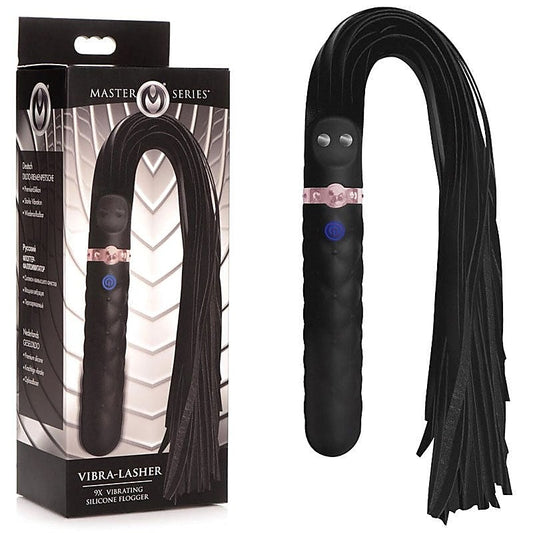
Master Series Vibra Lasher 9X Dildo Flogger by XR BrandsMaster Series Libra-Lasher 9X is a hybrid dildo combining a 9-inch silicone shaft with leather flogger tails and 10 vibration patterns. The 1.5-inch girth delivers deep, rumbly vibrations across distinct intensity levels while flexible tails provide impact sensation. It suits adventurous partners seeking blended...
- $94.99
$109.99- $94.99
- Unit price
- per
-
Sensua Suede Whip Stainless Steel by Lelo - BlackLelo Sensua Suede Bondage Play Whip is a premium sensory play accessory featuring natural cow suede leather tassels measuring 215mm in length. The 360mm total whip combines a polished acrylic handle with stainless steel accents and weighs 114 grams for balanced control. It delivers...
- $109.99
$119.99- $109.99
- Unit price
- per
-
Leather Whip Metal Long Black by Shots ToysLeather Whip Metal Long Black is a premium impact play implement combining leather and metal components, measuring approximately 24 inches overall with balanced weight distribution. Shots Toys crafted this whip for experienced practitioners seeking precise control and responsive feedback. The black leather construction with...
- $98.99
$109.99- $98.99
- Unit price
- per
-
Kitten Leather Flogger with Nine Tail by Hell's CoutureThe Kitten Leather Flogger with Nine Tail by Hell's Couture is a premium leather impact toy featuring nine independent tails for sensory play. Each tail measures approximately 12 inches in length, constructed from supple leather that delivers varied sensations from gentle caresses to assertive...
- $31.99
$34.99- $31.99
- Unit price
- per
-
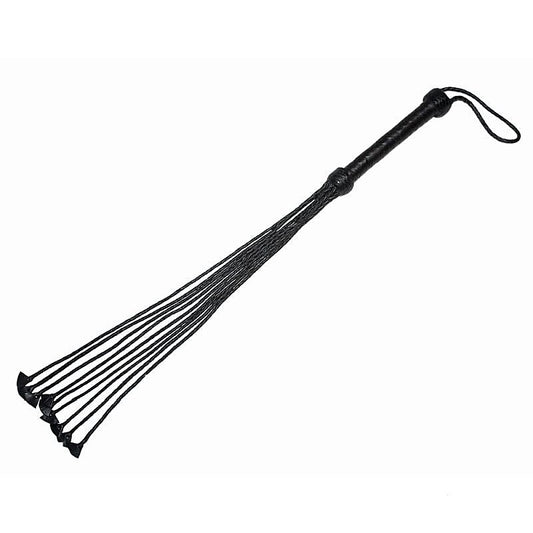
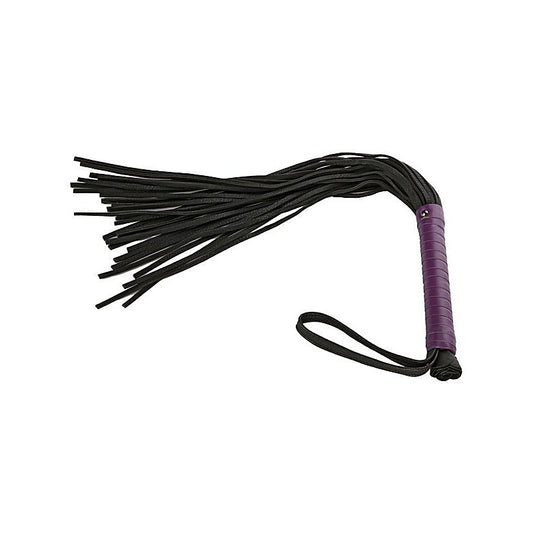
Kinky Leather Flogger With Nine Tails by Hell's CoutureKinky Leather Flogger with Nine Tails is a premium impact play implement by Hell's Couture featuring nine precisely cut leather tails on a 24-inch handle with leather wrapping and wrist strap. The genuine leather construction delivers consistent, controlled sensation for experienced practitioners. It suits...
- $44.99
$49.99- $44.99
- Unit price
- per
-
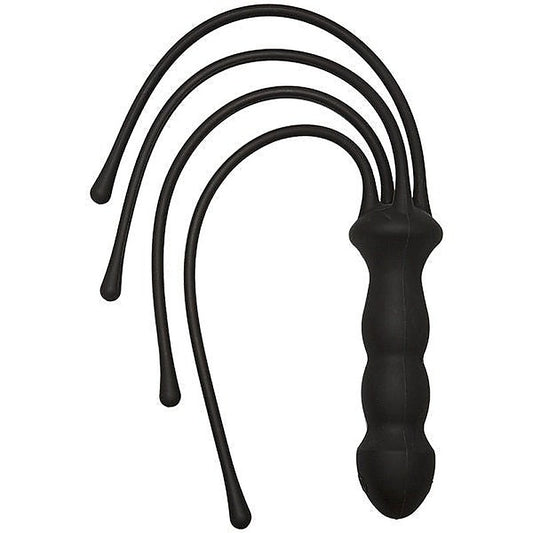
Kink The Quad Silicone Whip Black by Doc JohnsonKink The Quad Silicone Whip is a four-stranded impact tool designed for sensation play and intimate exploration. Measuring 18 inches total with a 5.5-inch insertable handle, it features weighted silicone strands and a 1.5-inch diameter contoured grip. The body-safe, phthalate-free construction delivers controlled impact...
- $84.99
$89.99- $84.99
- Unit price
- per
-
Joanna Angel Rubber Flogger Whip by The StockroomJoanna Angel Rubber Flogger Whip is a dual-ended impact implement featuring 17-inch precision-cut rubber strands and a professional braided grip handle. The reinforced construction delivers controlled striking with balanced weight distribution, while the non-slip ergonomic design enables varied technique application. Signature pink and black...
- $20.99
$24.99- $20.99
- Unit price
- per
-
House of Harlot Flogger Black Leather Six TailsHouse of Harlot Flogger Black Leather Six Tails is a handcrafted leather impact tool featuring six individual tails for sensation play. Constructed from genuine black leather with red accents, the reinforced handle measures approximately 10 inches with a secure wrist loop. The six tails...
- $40.99
$44.99- $40.99
- Unit price
- per
-
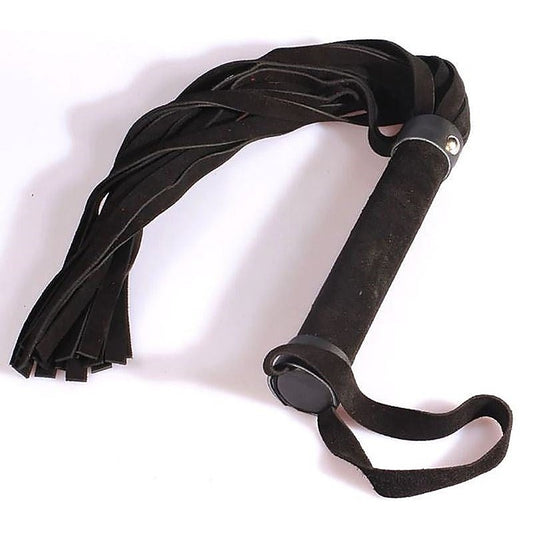
Suede Sana Flogger by Hell's CoutureHell's Couture Suede Sana Flogger is a premium black suede impact tool designed for BDSM scene play. Featuring a reinforced handle with integrated wrist loop and carefully matched suede falls, it delivers both thudding and tickling sensations across a spectrum of intensities. Measuring approximately...
- $35.99
$39.99- $35.99
- Unit price
- per
-
Heatwood Flogger Leather Nine Tail by Hell's CoutureHeatwood Flogger Leather Nine Tail is a nine-tail impact flogger crafted from genuine leather with decorative red hearts. Measuring 83cm total length with individual tails at 60cm and 6mm thickness, it delivers controlled sensation from gentle caresses to pronounced impact. The integrated wrist loop...
- $35.99
$39.99- $35.99
- Unit price
- per
-
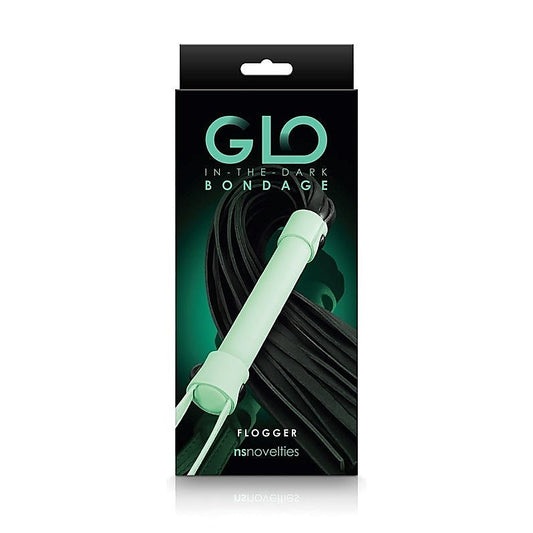
GLO Bondage Flogger Glow In Dark Whip by NS NoveltiesThe GLO Bondage Flogger by NS Novelties is a professional-grade impact play implement featuring an ergonomic handle and balanced design for precise control. Its expertly constructed falls deliver consistent sensations across skill levels, from gentle caresses to more intense impact. The flogger suits both...
- $34.99
$49.99- $34.99
- Unit price
- per
-
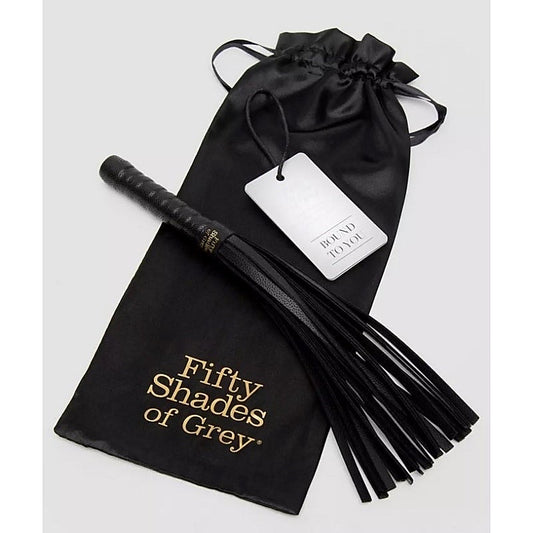
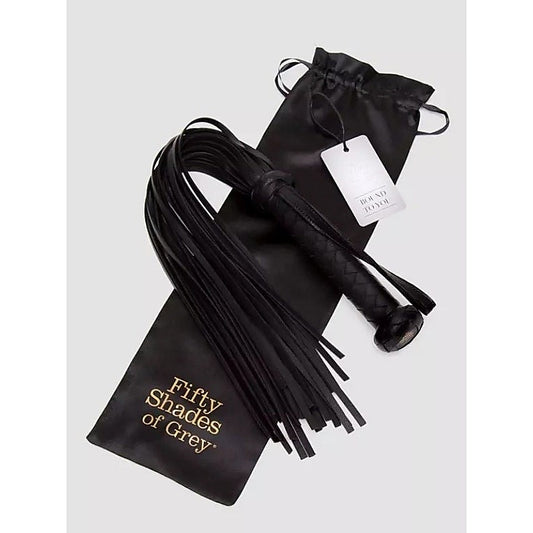
Bound to You Small Flogger by Love HoneyFifty Shades of Grey Bound to You Small Flogger is an officially licensed impact tool crafted from animal-free leather with soft suede tassels. Measuring compact dimensions with an ergonomic handle, it delivers varied sensations from gentle caresses to sharper impact. The balanced weight distribution...
- $40.99
$44.99- $40.99
- Unit price
- per
-
Fifty Shades Vegan Leather BDSM Flogger by Love HoneyFifty Shades Vegan Leather BDSM Flogger is a 60 cm impact play tool featuring a 20 cm wide head crafted from high-quality vegan leather. This Love Honey flogger delivers controlled strikes with flexible strands and balanced weight distribution, making it suitable for BDSM practitioners...
- $80.99
$89.99- $80.99
- Unit price
- per
-
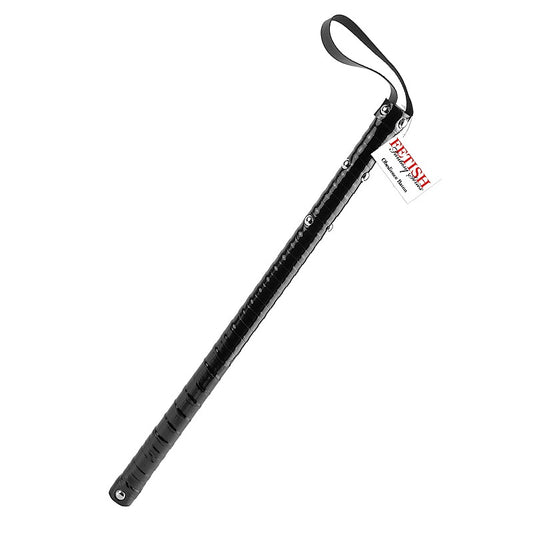
Fetish Fantasy Obedience Baton by Pipedream ProductsPipedream Fetish Fantasy Obedience Baton is a professional-grade leather impact tool measuring 51 cm long, designed for precision dominance play. The reinforced internal core and textured ergonomic grip deliver balanced weight distribution for controlled sensation. It produces distinct thuddy and stinging sensations depending on...
- $10.99
$14.99- $10.99
- Unit price
- per
-
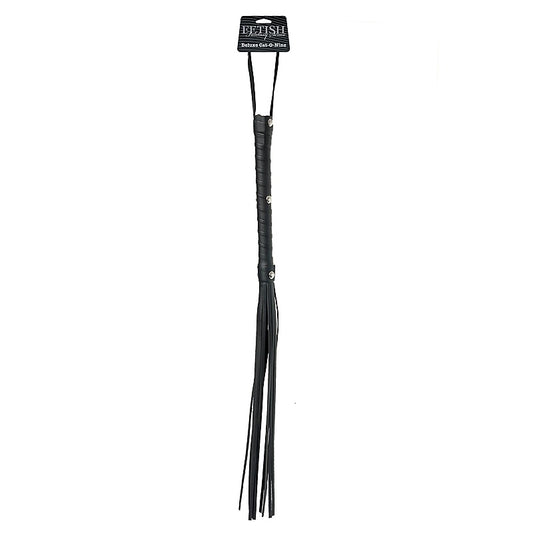
Fetish Fantasy Limited Edition Deluxe Cat-O-Nine TailsFetish Fantasy Limited Edition Deluxe Cat-O-Nine Tails is a professional-grade impact implement featuring multiple synthetic tresses and an ergonomic no-slip grip handle. The balanced weight distribution reduces user fatigue while enhancing precision control across sensation intensities. Constructed with reinforced connection points and specialized synthetic...
- $8.99
$9.99- $8.99
- Unit price
- per
-
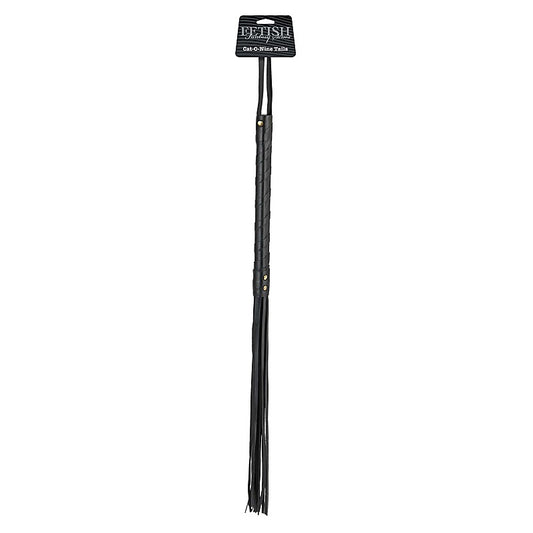
Fetish Fantasy Limited Edition Cat O Nine Tails WhipFetish Fantasy Limited Edition Cat O Nine BDSM Tails is a premium impact play implement featuring nine precisely balanced genuine leather tails attached to an ergonomic beaded handle. Measuring approximately 24 inches total length with a weighted handle designed for secure grip, it delivers...
- $14.99
$19.99- $14.99
- Unit price
- per
-
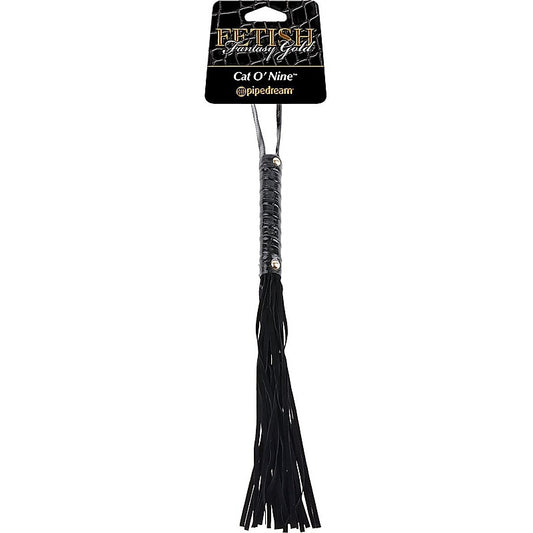
Fetish Fantasy Gold Cat O' Nine Leather FloggerFetish Fantasy Gold Cat O' Nine Black Leather Flogger is a premium impact play instrument featuring 30 genuine leather tresses and an ergonomic non-slip handle. Measuring 584 mm total length with a balanced 64-gram weight, it delivers versatile sensation from gentle caresses to intense...
- $31.99
$34.99- $31.99
- Unit price
- per
-
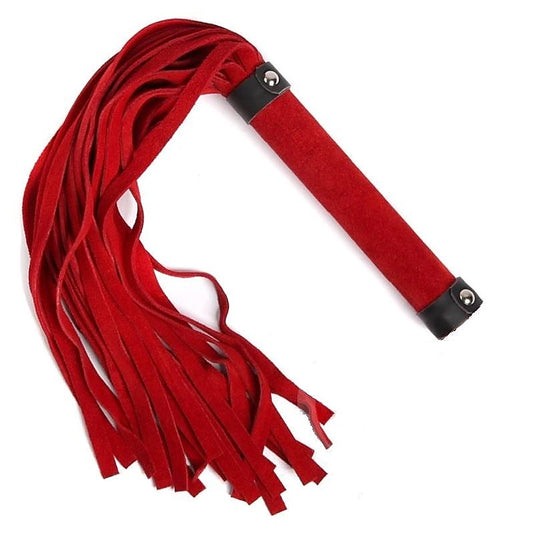
Handcrafted Suede Pleasure Flogger by Hell's Couture - RedHell's Couture Fetish Factory Flogger is a 24-inch BDSM impact tool with 25 soft suede tails, each measuring 12 inches long. The ergonomic handle provides balanced control for striking techniques ranging from gentle caresses to invigorating strokes. Constructed from premium suede material, it suits...
- $24.99
$29.99- $24.99
- Unit price
- per
-
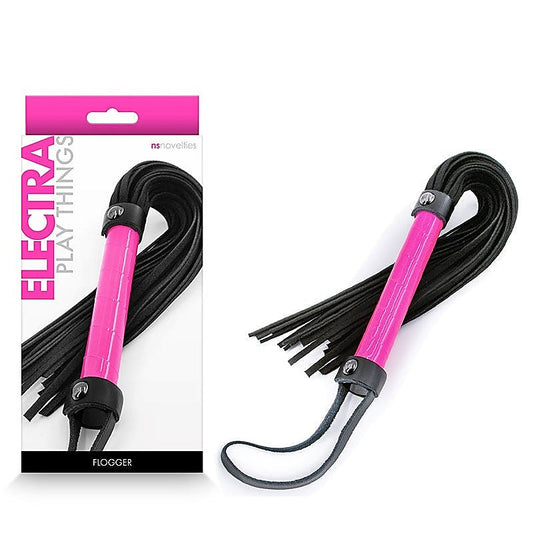
Electra Flogger Whip by NS Novelties - PinkNS Novelties Electra Flogger is a 54 cm sensation play implement weighing 108 grams with a neoprene-lined handle and synthetic construction. The balanced weight distribution and ergonomic grip enable precise control for extended sessions. It suits both beginners developing technique and experienced practitioners seeking...
- $39.99
$49.99- $39.99
- Unit price
- per
-
Edge Twisted BDSM Impact Whip by SportsheetsEdge Twisted Whip is a 30-inch braided leather impact tool designed for BDSM sensory play. Crafted by Sportsheets with a distinctive twisted design, it delivers varied tactile sensations from gentle teasing to intense striking. The sturdy handle provides precise control and balanced weight distribution,...
- $89.99
$99.99- $89.99
- Unit price
- per
-
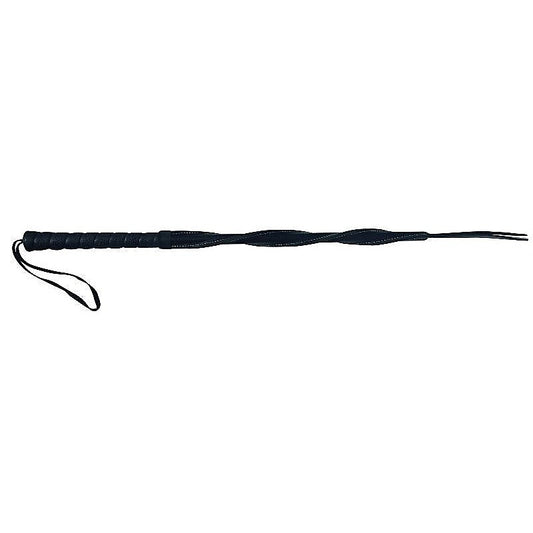
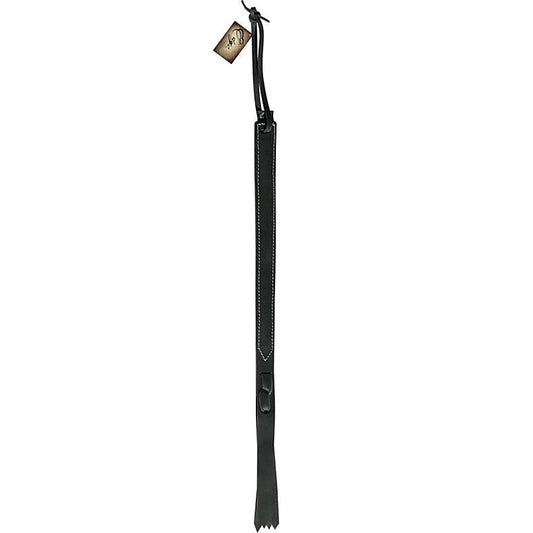
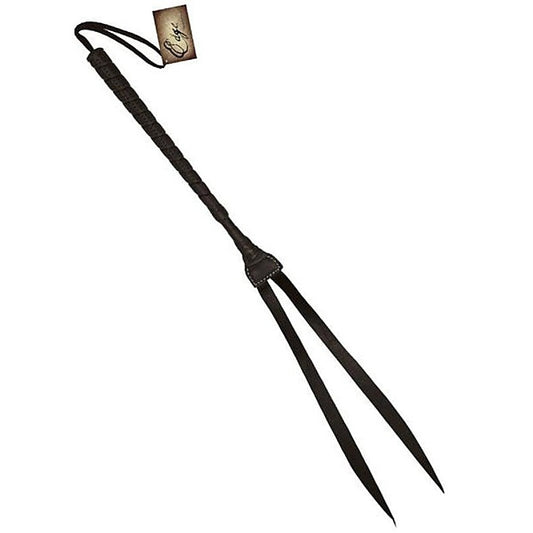
Edge Tawse BDSM Impact Whip by SportsheetsEdge Tawse Whip is a leather impact play implement featuring split tails and an ergonomic handle for BDSM sensation play. The whip measures approximately 24 inches in total length with dual leather strands, delivering controlled strikes ranging from gentle caresses to sharp sensations. Crafted...
- $62.99
$69.99- $62.99
- Unit price
- per
-
Dragon Kiss Textured BDSM Whip by SportsheetsDragon Kiss Whip by Sportsheets is a faux leather impact tool featuring dragon-scale texture across its length. The whip measures 24 inches total with a reinforced handle grip, delivering varied sensations from light teasing to intense strikes. Its black finish and mythical design make...
- $62.99
$69.99- $62.99
- Unit price
- per
-
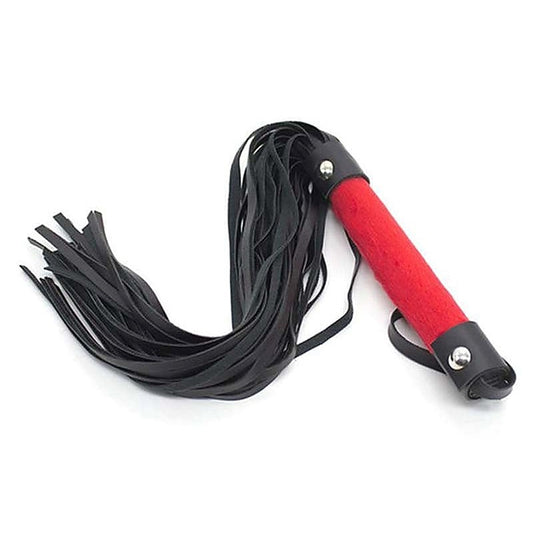
Fetish Play Whip Black and Red by BDStyleThe Downy Fetish Play Whip Black and Red by BDStyle is a lightweight impact play whip designed for beginner BDSM exploration. Featuring soft nylon tassels and a sturdy handle, it delivers sensations ranging from gentle caresses to controlled taps. At compact size with striking...
- $14.99
$19.99- $14.99
- Unit price
- per
-
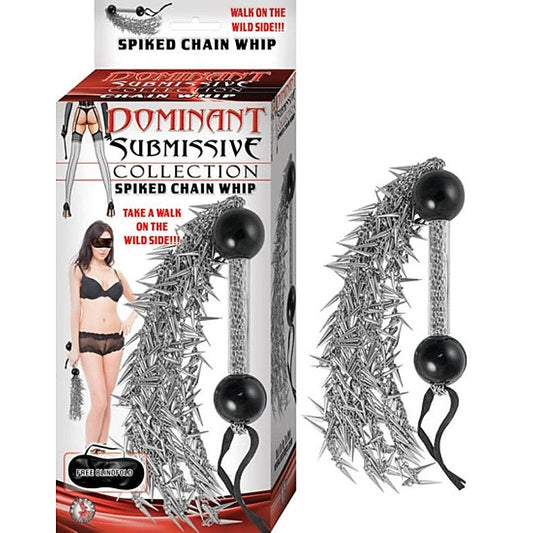
Dominant Submissive Collection Spiked Chain WhipDominant Submissive Collection Spiked Chain Whip is an impact play tool featuring flexible iron chains with silicone ball accents and an acrylic handle. Measuring 16 inches in whip length with a 7.25-inch handle, it delivers sensations ranging from delicate tickles to firm impact. Made...
- $53.99
$59.99- $53.99
- Unit price
- per
-
Devious Cat o 9 Tails Braided Flogger by Hell's Couture - Black / PurpleThe Devious Cat o 9 Tails Braided Flogger is a premium leather impact tool designed for BDSM practitioners. Measuring 118cm total with a 77cm handle and nine 41cm braided tails, it delivers controlled strikes across varied sensation spectrums. Available in black or purple, this...
- $59.99
$64.99- $59.99
- Unit price
- per
-
Designer Sana Faux Leather Whip by RoomFunDesigner Sana Whip is a faux leather impact tool from RoomFun featuring a hard-bulbed ergonomic handle and soft thong-style ends. Measuring approximately 60cm in total length with a striking black and red design, it delivers versatile sensations ranging from gentle teasing to pronounced impact....
- $13.99
$14.99- $13.99
- Unit price
- per
-
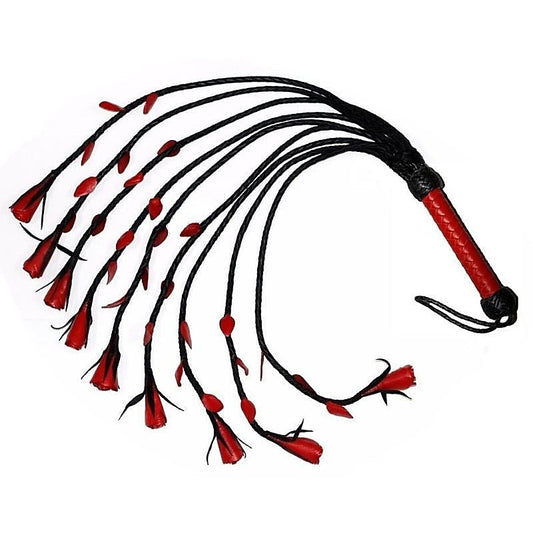
Cat o' Nine Tails Flogger by Hell's Couture - Black / RedHell's Couture Cat o' Nine Tails Flogger is a 24-inch BDSM flogger featuring eight-petal flower tips and supple leather tails extending 12 inches. Weighing 1.5 pounds with a weighted handle, it delivers variable sensation from gentle caresses to satisfying stings. The flexible yet firm...
- $54.99
$59.99- $54.99
- Unit price
- per
-
Bull Whips 240cm Leather by Hell's Couture - BlackHell's Couture Bull Whip 240cm is a genuine leather BDSM whip measuring 240 centimetres, designed for both beginners and experienced practitioners. The supple leather construction delivers precise control with satisfying cracks, while the ergonomic balance enables powerful strikes with minimal effort. It suits people...
- $69.99
$74.99- $69.99
- Unit price
- per
-
Black Rose Whipping Willow by Doc JohnsonThe Doc Johnson Black Rose Whipping Willow is a 23-inch faux leather impact whip designed for sensation play and power exchange dynamics. Featuring a braided ergonomic handle and wrist strap, it delivers calibrated intensity from gentle teasing to firm correction. The premium black and...
- $23.99
$29.99- $23.99
- Unit price
- per
-
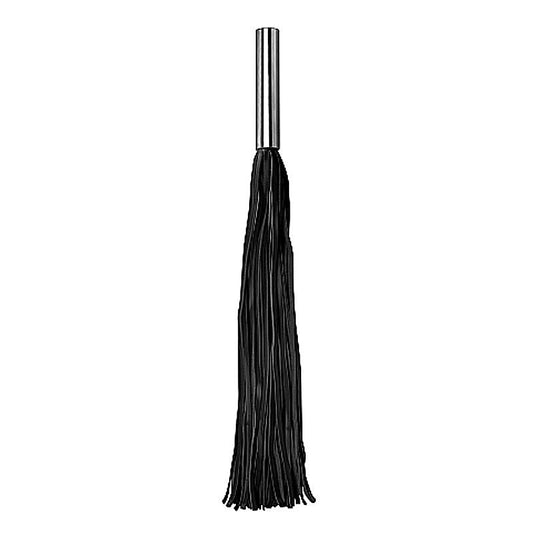
Black Leather Flogger with Aluminium HandleBlack Leather Flogger with Aluminium Handle is an impact play implement from Rouge Royalty featuring premium A-grade leather tails and a precision-weighted aluminum handle. The ergonomic grip delivers balanced control for strokes ranging from gentle caresses to sharp impacts, while the handle's thermal conductivity...
- $112.99
$124.99- $112.99
- Unit price
- per
-
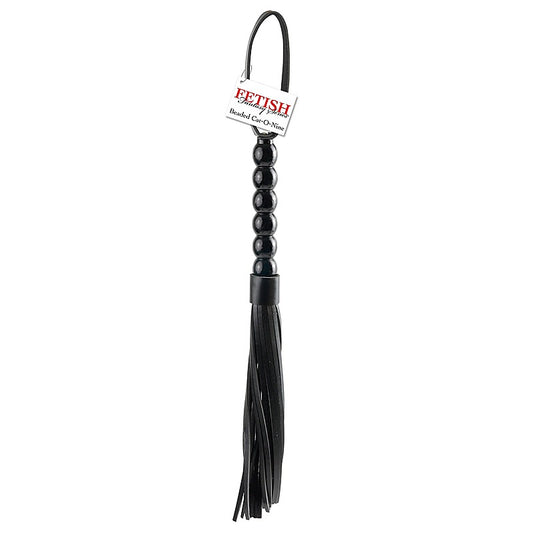
Fetish Fantasy Beaded Cat-O-Nine TailsFetish Fantasy Beaded Cat-O-Nine Tails is a nine-tailed impact flogger designed for BDSM power exchange play. The ergonomic beaded handle measures approximately 10 inches long and features textured grip beads for enhanced control during impact scenes. Nine balanced tails deliver versatile sensation ranging from...
- $24.99
$29.99- $24.99
- Unit price
- per
-
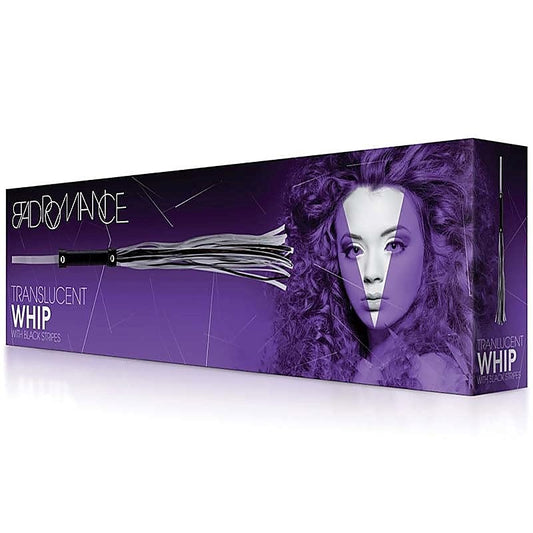
Bad Romance Translucent Whip with Metal NailsBad Romance Translucent Whip with Metal Nails by Shots Toys is a PVC impact tool featuring dual-tone black and white translucent construction with integrated metal accents. At approximately 18 inches total length, the whip delivers adjustable intensity from gentle contact to assertive impact. The...
- $35.99
$39.99- $35.99
- Unit price
- per
-
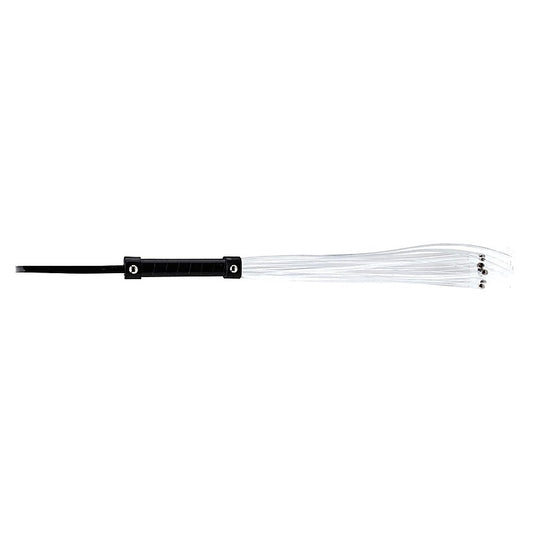
Bad Romance Translucent Whip by Shots ToysBad Romance Translucent Whip by Shots Toys is a BDSM impact tool featuring black and white translucent PVC strands with an ergonomic metal-accented handle. The whip measures approximately 65 centimeters in total length with lightweight, flexible construction suitable for precise control. It delivers sensations...
- $28.99
$34.99- $28.99
- Unit price
- per
-
Alloy Handled Leather Bondage Flogger by BDStyleThe Alloy Handled Flogger by BDStyle is a leather impact toy featuring an aircraft-grade alloy handle designed for controlled sensation play. Weighing approximately 300 grams with a balanced construction, it delivers variable intensity from gentle caresses to firmer impact. The ergonomic grip and genuine...
- $24.99
$34.99- $24.99
- Unit price
- per
-
Adult Outlets Flogger with Short Tails by BDStyle - BlackAdult Outlets Flogger with Short Tails is an impact play tool featuring 12-inch synthetic leather tails and an ergonomic handle. The faux leather construction delivers consistent sensation while maintaining easy maintenance. Weighing lightly to prevent fatigue, it offers precise control for both beginners and...
- $24.99
$29.99- $24.99
- Unit price
- per
VISIT XVIDEO FOR ADULT DVDS



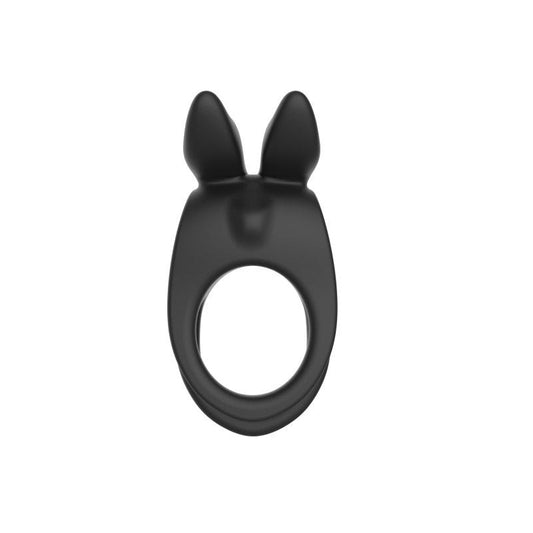
Men 10 Mode Vibrating Rabbit Cock Ring by Ashella
- Black
Ashella Men 10 Mode Vibrating Rabbit Cock Ring is a dual-ring vibrator designed for partnered stimulation and performance enhancement. Measuring 45.2 x 91.1 x 43.1mm with 10 vibration modes across 3 speed settings, it combines a supportive shaft and ball ring with external bunny...
- $34.99
$39.99- $34.99
- Unit price
- per
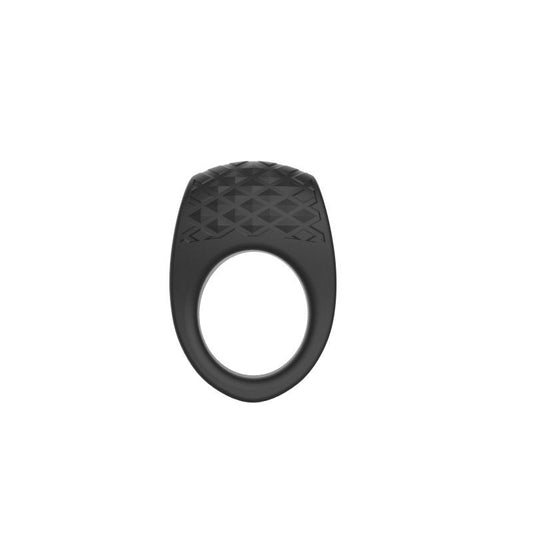
Men 10 Mode Vibrating Cock Ring by Ashella
- Black
The Ashella Men Vibrating Cock Ring is a silicone erection ring featuring 10 vibration modes across 3 speed settings. Measuring 45.5 x 66.7 x 29.4mm with rechargeable USB power lasting one hour per charge, it delivers customizable stimulation for solo or partnered play. The...
- $34.99
$39.99- $34.99
- Unit price
- per
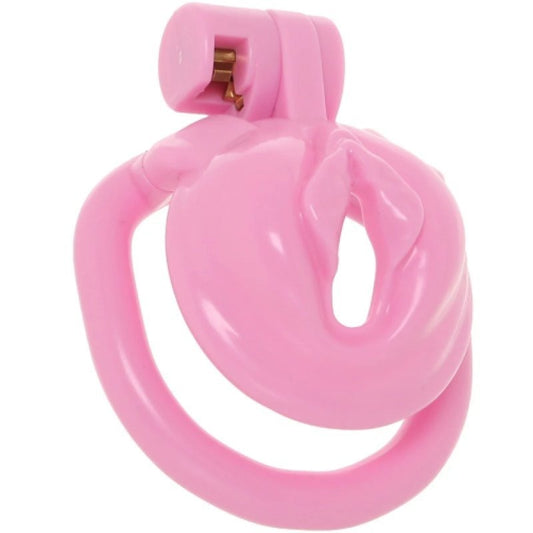
Bitchboy Degrading Mini Chastity Cage by Electric EEL Inc
- Pink
Bitchboy Degrading Mini Chastity Cage by Electric EEL Inc is a compact chastity cage featuring a pussy-shaped design with 1-inch insertable length. Constructed from lightweight, smooth material, it measures 3.23 x 2.68 x 1.3 inches and delivers open-design breathability. The cage combines visual humiliation...
- $129.99
$139.99- $129.99
- Unit price
- per
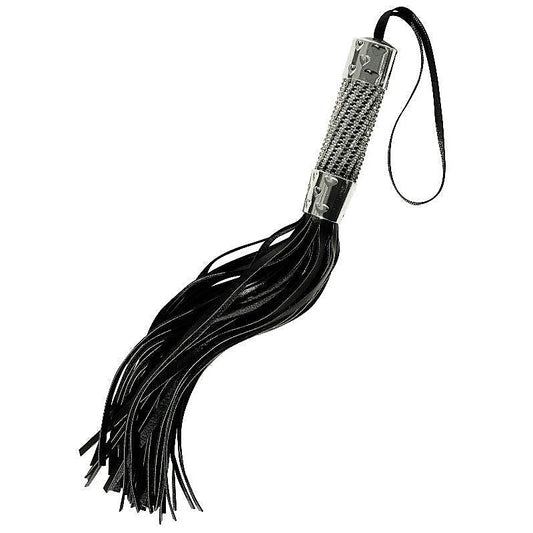
































Floggers are impact implements with multiple tails attached to a handle, designed for sensation play during BDSM and discipline scenes. They range from soft suede versions for gentle warm-up to heavy rubber or chain designs for intense striking, giving you control over sensation intensity and spread.
At a glance
|
🚚 Plain, discreet packaging • 🔒 Discreet billing • 🔁 Hygiene-conscious returns |
About Floggers For Discipline
Floggers work by distributing impact across multiple tails striking simultaneously, creating a fundamentally different sensation from single-surface implements like paddles. Each tail flexes independently, wrapping slightly around body contours and producing deep, resonating thud rather than sharp sting. The tails spread force across a larger area, making these tools excellent for sustained impact play and gradual intensity building. Floggers range from light, sensual designs with soft suede tails to severe implements featuring heavy rubber or chain, giving you precise control over sensation type and depth.
Material choice directly affects sensation and durability. Suede and soft leather create gentle, warming thud ideal for beginners or extended scenes. Rubber and nylon tails deliver heavier impact with more sting mixed in. Chain floggers are severe and require significant skill to use safely. Tail thickness, count, and length all interact to shape the final sensation profile, so choosing the right combination for your experience level and preferences matters.
What makes Floggers For Discipline different
Unlike paddles, which concentrate force on a single flat surface, floggers disperse impact across numerous contact points simultaneously. This distribution creates continuous, enveloping sensation rather than distinct strikes. The flexible tails wrap slightly around body curves, spreading sensation across larger areas and producing deeper, more resonant thud. Floggers also demand more skill than paddles—you'll need to develop control over aim, rhythm, and momentum to deliver consistent, safe sensation. Other implements like Suction Vibrators work entirely differently, using suction and vibration rather than impact.
Types of Floggers For Discipline
Floggers break down into distinct categories based on material and construction:
Suede and soft leather floggers. These feature thick, soft tails creating gentle, warming thud. Ideal for warm-up, sensation building, and extended scenes without intense impact. Best for beginners or those preferring less intense sensation.
Rubber and nylon floggers. Heavier tails deliver sharper impact with more defined sting. Good for intermediate players wanting stronger sensation. Durable and easier to clean than natural leather.
Chain floggers. Severe implements with metal or beaded chains replacing traditional tails, producing intense, biting impact. Require advanced skill and careful aim. Not recommended for beginners.
Mixed-tail floggers. Combine different materials—for example, leather and chain or suede and rubber—to layer sensations. Useful for versatile play and Prostate Plugs or other sex toys used during impact scenes.
How they compare
| Item | Material | Best for | Skill level | Notes |
|---|---|---|---|---|
| Suede flogger, 40+ tails | Soft suede | Warm-up, extended play, sensation building | Beginner to intermediate | Gentle thud, forgiving on aim, excellent for learning control |
| Leather flogger, 30 tails | Leather | Balanced sensation, sustained impact | Intermediate | Versatile, durable, medium thud with slight sting |
| Rubber flogger, 20 tails | Rubber | Intense impact, focused strikes | Intermediate to advanced | Heavy, sharper sensation, requires good aim and control |
| Chain flogger, 8–12 strands | Metal chain or beads | Severe impact, experienced players | Advanced | Intense, biting sensation, high skill requirement, risk of marking |
How to choose a floggers for discipline
Start by assessing your experience level. Beginners should choose soft suede or leather floggers with 30–50 tails; these forgive imperfect aim and build sensation gradually. Medium-count floggers (30–60 tails) balance coverage and intensity well for most players. High-count floggers (60+ tails) spread sensation so diffusely that individual tail impacts blend together, creating continuous thud across large areas—useful for full-back play or very gradual warm-up.
Consider tail thickness alongside count. Thin tails in high counts create stingy sensation despite distribution; thick tails in low counts produce heavy thud. Material matters too: suede and soft leather suit warm-up and extended scenes, while rubber and nylon deliver sharper impact. Think about if you're playing solo or with a partner, and whether you want to use these alongside other gear like Couples Vibrators or restraints. Practice your swing and aim before intense play—floggers require skill to use safely and effectively.
Tips from the Adultsmart team
Hard-won pointers from the Adultsmart team, alongside our panel of sexologists, educators, and adult-industry contributors. Meet our experts →
After years of helping customers choose floggers, the biggest mistake we see is beginners buying too heavy a flogger too fast. Soft suede or leather at 40+ tails lets you learn rhythm, aim, and control without exhausting your arm or overwhelming your partner. You can always progress to heavier designs once you've developed real skill. Start light, stay consistent, and build from there.
Arm fatigue is real and catches people off guard. A 30-tail leather flogger weighs significantly less than a 15-tail rubber one, so don't assume tail count alone tells you how tiring it'll be. If you're planning extended scenes, lighter materials and higher tail counts are your friends. Also, grip matters—a handle that sits comfortably in your hand makes a huge difference to control and reduces strain during longer play.
Safety comes down to communication and practice. Establish clear signals with your partner before you start, never assume you know how hard to strike, and do test runs at low intensity first. Keep the flogger moving smoothly; jerky, uncontrolled swings cause injury. And never leave your partner restrained while you're using impact tools—always stay present and attentive to their responses and comfort.
| Please read — safety first. Charge only with the supplied cable and keep the charging port dry unless the sex toy is waterproof-rated. Pair and update through the official app, and switch the device off fully between sessions so the motor and battery aren't left under load. As porous materials can harbour bacteria, use a condom over them for sharing or easy clean-up. This information is general in nature only and is not medical advice; it does not account for your individual circumstances. If you have a relevant health condition or experience any persistent discomfort, discontinue use and seek advice from a qualified medical professional. |
Care and cleaning
Clean your flogger after each use with warm water and mild soap, paying attention to the base where tails attach. Suede and leather benefit from occasional conditioning to prevent drying and cracking. Air-dry completely before storing—never leave damp leather in a closed bag, as mould can develop. Store in a cool, dry place away from direct sunlight. Chain floggers should be checked for rust or damage to links before each use.
Learn more
Impact play involves real responsibility and consent. Understanding the legal and professional landscape helps you play safely and confidently. Can Employers Discipline Workers For Adult Content Online explores boundaries in contexts beyond the bedroom, reminding you that consent and discretion matter everywhere.
Why shop Floggers For Discipline at Adultsmart
Looking for a piece that actually fits how you play? Adultsmart stocks floggers across all experience levels and sensation preferences, from soft beginner designs to advanced impact tools. Discreet packaging means your order arrives private and unmarked, with billing that protects your privacy. Trusted Australian adult retailer — discreet, knowledgeable, and here to help.
Floggers For Discipline FAQ
Do more flogger tails always create gentler sensations through greater distribution?
Not always—tail material and thickness matter more. 100 thin rubber tails feel more intense than 20 thick suede tails despite higher count. Distribution reduces intensity per tail, but material properties dominate sensation quality.
How do you untangle severely knotted flogger tails?
Work from handle outward, separating one tail at a time. Never pull hard—damages tails. Severe tangles may take 30+ minutes. Prevention through proper storage (hanging, tail keepers) saves significant time and tail damage.
Do more flogger tails always create gentler sensations through greater distribution?
Stiff new leather benefits from breaking-in—flexing tails repeatedly before use softens them. Suede needs no break-in. Heavy leather may take several sessions to develop optimal flexibility for smooth strikes.
Why do flogger tails tangle during storage and how do you prevent it?
Tails naturally intertwine without restraint. Hang floggers or use tail keepers (bands securing tails together). Never store loosely in bags—creates impossible tangles requiring 20+ minutes untangling before use.
What flogger tail length suits beginners without excessive wrapping risk?
Short to medium tails (25–45 cm) minimize wrap-around risk. Long tails (60+ cm) require accuracy—off-target strikes wrap around body, potentially hitting unsafe areas like sides, spine, or wrapping around to front.
Do rubber or silicone flogger tails require different striking force than leather?
Yes—reduce force by 30–40% when switching from leather to rubber. Material weight creates more momentum and thud. Start light, build gradually. Rubber bruises more readily than leather at equivalent force.
Can you use figure-eight flogger technique with all flogger types?
Heavy floggers (thick leather, rubber) are too heavy for sustained figure-eight motion—arm fatigue occurs rapidly. Figure-eight works best with light to medium leather or suede floggers under 400g total weight.
What flogger weight becomes too heavy for sustained 15+ minute sessions?
Floggers exceeding 500g cause significant arm fatigue affecting control. Light floggers (200–350g) allow extended sessions. Medium weight (350–500g) suits 10–15 minutes. Heavy floggers (500g+) limit to 5–10 minute bursts.
Do suede flogger tails feel significantly different than smooth leather tails?
Suede's fuzzy texture creates gentle, almost massaging sensation. Smooth leather produces crisper thud with slight sting. Suede suits warm-up; smooth leather for intensity building after warm-up completion.
Can floggers with mixed tail materials (different colors/textures) be used effectively?
Functionally yes—mixed materials create sensation variations within single implement. However, different materials may require different maintenance (suede vs. smooth leather cleaning), complicating care routines.
Recently Viewed Products
Example product title
- $19.99
- $19.99
- Unit price
- per
Example product title
- $19.99
- $19.99
- Unit price
- per
Example product title
- $19.99
- $19.99
- Unit price
- per
Example product title
- $19.99
- $19.99
- Unit price
- per
Example product title
- $19.99
- $19.99
- Unit price
- per
Example product title
- $19.99
- $19.99
- Unit price
- per
Example product title
- $19.99
- $19.99
- Unit price
- per
Example product title
- $19.99
- $19.99
- Unit price
- per
Example product title
- $19.99
- $19.99
- Unit price
- per
Example product title
- $19.99
- $19.99
- Unit price
- per
Why Shop With Adultsmart?
- Choosing a selection results in a full page refresh.