



-
Microflex Black Dragon Zero Powder-Free Nitrile Gloves - Advanced GripProduct Description of Black Dragon Zero Nitrile Exam Gloves - Medium Introducing the Black Dragon Zero Powder-Free Nitrile Examination Gloves Medium by Microflex. These high-quality gloves are designed to provide exceptional protection and comfort during medical or industrial applications. With a unique double polymer...
- $35.99
$39.99- $35.99
- Unit price
- per
-
Bang Bang Vibrating GloveDiscover New Dimensions of Touch with the Bang Bang Vibrating Glove Transform your intimate experiences with the innovative Bang Bang Vibrating Glove, a revolutionary accessory that brings a new dimension to sensual touch. This sophisticated device combines the natural sensitivity of your hands with...
- $22.99
$24.99- $22.99
- Unit price
- per
-
BACI WL Flower Lace Opera Gloves - BlackBACI WL Flower Lace Opera Gloves - Timeless Elegance Meets Modern Sophistication The BACI WL Flower Lace Opera Gloves represent the perfect fusion of classical glamour and contemporary style. These exquisitely crafted accessories transform any outfit into a statement of refined elegance, whether you're...
- $24.99
$29.99- $24.99
- Unit price
- per
-
BACI WL Fishnet Opera Gloves - BlackBACI WL Fishnet Opera Gloves - Elegant Evening Accessories The BACI WL Fishnet Opera Gloves represent the perfect fusion of classic sophistication and contemporary style. These exquisitely crafted accessories transform any outfit into a statement ensemble, combining the timeless appeal of opera-length gloves with...
- $29.99
$34.99- $29.99
- Unit price
- per
-
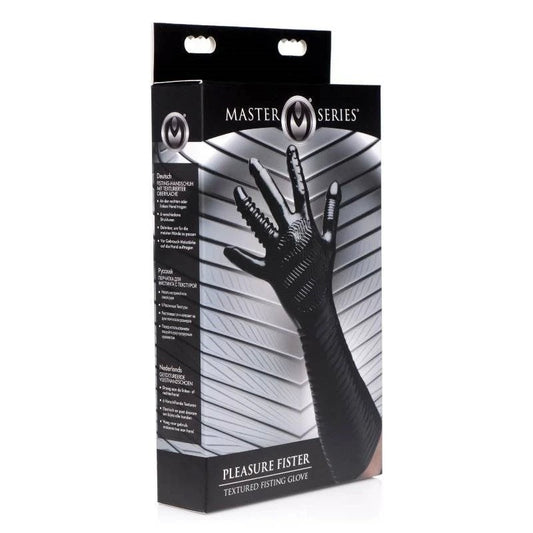
Master Series Pleasure FisterMaster Series Pleasure Fister: Precision Engineering in Intimate Exploration Introducing the Master Series Pleasure Fister—a meticulously designed intimate accessory that represents the pinnacle of sensory innovation and user-centric engineering. Crafted for discerning individuals seeking advanced tactile experiences, this textured fisting glove pushes the boundaries...
- $54.99
$69.99- $54.99
- Unit price
- per
-
FIST-IT Silicone Stimulation Glove - BlackFIST-IT Silicone Stimulation Glove - Advanced Tactile Innovation The FIST-IT Silicone Stimulation Glove represents a breakthrough in intimate accessories, transforming each finger into a precisely engineered pleasure instrument. This innovative design from Shots Toys combines premium body-safe silicone with thoughtfully crafted texture patterns to...
- $39.99
$49.99- $39.99
- Unit price
- per
VISIT XVIDEO FOR ADULT DVDS



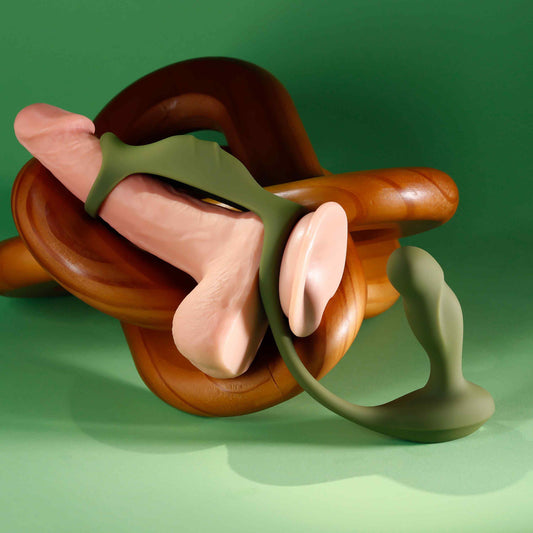
Zero Tolerance PROSTATE POWER PACK Massager With Remote
- Green
Zero Tolerance PROSTATE POWER PACK Massager With Remote is a dual-component prostate stimulator with vibrating plug and ridged C-ring harness. The insertable plug measures 8.3 cm long with 2.8 cm diameter, delivering 10 vibration speeds via 9.8-meter remote control. Liquid silicone construction ensures body-safe...
- $89.99
$99.99- $89.99
- Unit price
- per
LELO LIFEGUARD Originals Male Vibrating Penis Ring
- Pink
LELO LIFEGUARD Originals is a vibrating penis ring crafted from premium silicone, designed for couples' shared stimulation. Measuring 63 x 48 x 23 mm and weighing 32 grams, it features four standard vibration patterns plus four additional app-unlocked modes. The stretchy, body-safe silicone adapts...
- $74.99
$79.99- $74.99
- Unit price
- per
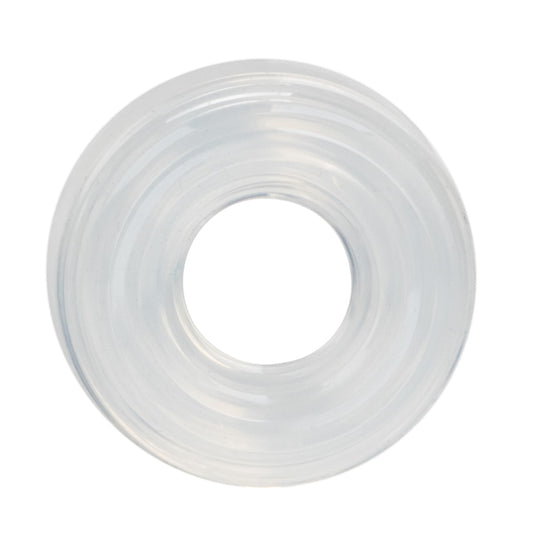
California Exotics Premium Silicone Cock Ring Medium
- Clear
California Exotics Premium Silicone Cock Ring Medium is a seamless silicone erection ring with a 0.75-inch diameter designed for girth enhancement and endurance support. Made from phthalate-free premium silicone, it delivers comfortable compression without restricting circulation. The thick, durable construction maintains shape through repeated...
- $9.99
$14.99- $9.99
- Unit price
- per






Fetish Roleplay Accessories FAQ
What determines whether fetish roleplay accessories should match or contrast in material and style?
Matching materials create cohesive unified presentation appropriate for traditional scenes, while intentional contrast serves specific purposes like emphasizing particular accessories or creating visual interest. Random mismatching appears unintentional and breaks immersion. Match unless contrast serves deliberate aesthetic goal.
What determines appropriate fetish accessory intensity for beginners versus experienced users?
Beginners should choose accessories causing minimal discomfort or mobility impairment until comfortable with restricted movement and modified sensation. Experienced users progress to extreme items like ballet boots or heavy restriction masks. Start mild, progress gradually based on demonstrated comfort with increasing intensity levels.
Can fetish boots be worn comfortably for extended scenes or do they require breaks?
Comfort duration depends on boot style and wearer experience. Platform boots tolerate hours of wear, stilettos require breaks after 30-90 minutes for most users, ballet boots demand frequent breaks or stationary positioning. Build tolerance gradually through progressive wear duration increases.
How should fetish gloves be sized to maintain dexterity for restraint application during scenes?
Size gloves snug without excessive tightness that restricts finger movement. Test knot-tying, buckle manipulation, and clip operation while gloved before scenes requiring dexterity. Thin leather or latex maintains better tactile feedback than thick materials. Fingerless styles preserve maximum dexterity.
Do color-coded signaling accessories follow universal standards or vary between communities?
Basic color meanings show reasonable consistency across communities but specific interpretations vary regionally and between event organizers. Research local systems before relying on signaling accessories at new venues. When uncertain, verify interpretation through verbal communication rather than assumption.
What maintenance differences exist between leather and latex fetish roleplay accessories?
Leather requires conditioning to prevent drying and cracking, tolerates rough use better, and absorbs fluids requiring thorough cleaning. Latex needs powder coating after washing, tears more easily, and wipes clean without absorption. Both degrade from oil exposure and UV light requiring proper storage.
Can multiple fetish masks be layered for increased restriction and anonymity?
Some users layer blindfolds under full masks or add hoods over partial masks for progressive restriction. Ensure adequate breathing through combined layers and establish clear safety signals before layering that restricts vision and speech simultaneously. Test breathing comfort before extended layered wear.
How long does it take to develop comfort walking in extreme fetish boots like ballet styles?
Ballet boots require months of progressive training starting with minutes of wear and gradually increasing duration as foot and calf muscles adapt to extreme positioning. Most users never achieve walking proficiency, using ballet boots primarily for stationary bondage display rather than mobile scenes.
Do fetish roleplay accessories require breaking in or do they function immediately?
Leather items require breaking in through repeated wear softening stiff material and conforming to body shape. Latex and synthetic accessories function immediately without break-in period. New boots regardless of material need wearing sessions developing comfort before demanding scene use.
Can fetish gloves be worn during rope bondage or do they interfere with rope handling?
Thin leather or latex gloves allow adequate rope manipulation for experienced riggers, though bare hands provide superior control and feedback. Thick or decorative gloves significantly impair rope handling. Practice extensively with gloves before attempting gloved rope work during actual scenes requiring precise control.
Recently Viewed Products
Example product title
- $19.99
- $19.99
- Unit price
- per
Example product title
- $19.99
- $19.99
- Unit price
- per
Example product title
- $19.99
- $19.99
- Unit price
- per
Example product title
- $19.99
- $19.99
- Unit price
- per
Example product title
- $19.99
- $19.99
- Unit price
- per
Example product title
- $19.99
- $19.99
- Unit price
- per
Example product title
- $19.99
- $19.99
- Unit price
- per
Example product title
- $19.99
- $19.99
- Unit price
- per
Example product title
- $19.99
- $19.99
- Unit price
- per
Example product title
- $19.99
- $19.99
- Unit price
- per
Why Shop With Adultsmart?
- Choosing a selection results in a full page refresh.