



-
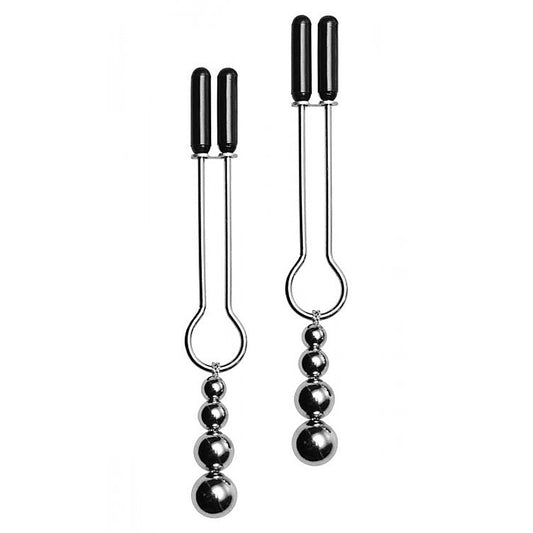
Adorn Triple Bead Nipple Clamp Set by XR BrandsThe Adorn Triple Bead Nipple Clamp Set by XR Brands is a tweezer-style clamp system designed for adjustable nipple stimulation. At 9 centimeters total length with 6-centimeter clamps, it features sliding ring pressure adjustment and three decorative silver beads per clamp. The vinyl-coated metal...
- $10.99
$14.99- $10.99
- Unit price
- per
-
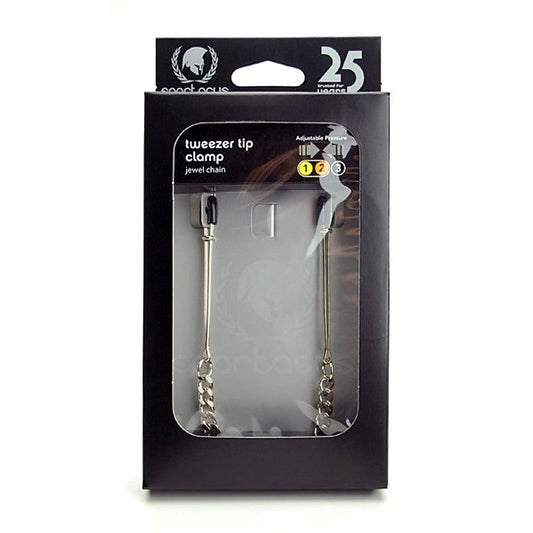
Adjustable Tweezer Nipple Clamps by Spartacus EnterprisesAdjustable Tweezer Clamps - Jewel Chain is a dual-clamp sensation set made from body-safe metal with adjustable pressure control. The tweezer mechanism allows precise pressure from gentle to intense, while the jewel chain adds visual elegance. At approximately 2.5 inches per clamp, this set...
- $29.99
$34.99- $29.99
- Unit price
- per
-
Fetish Fantasy Adjustable Nipple Chain ClampsFetish Fantasy Adjustable Nipple Chain Clamps is a precision metal clamp system with individually welded chain connecting two rubber-lined clips. Spanning 8 cm per clamp with a 22 cm chain, the spring-loaded mechanism delivers adjustable pressure via precision screws, accommodating both beginners and experienced...
- $39.99
$49.99- $39.99
- Unit price
- per
-
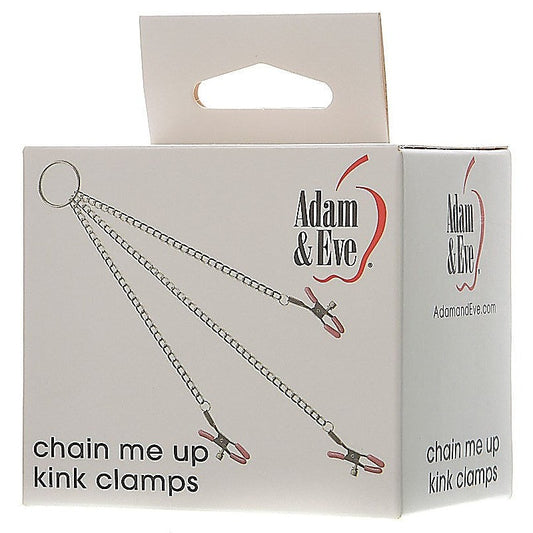
Chain Me Up Kink Clamps Hands-Free by Adam & EveAdam and Eve Chain Me Up Kink Clamps are adjustable metal nipple and clitoral clamps with dual chains measuring 11 inches and 12 inches respectively. The rubber-coated tips provide secure grip while precision screws enable customized pressure control for varied sensitivity levels. An integrated...
- $44.99
$49.99- $44.99
- Unit price
- per
-
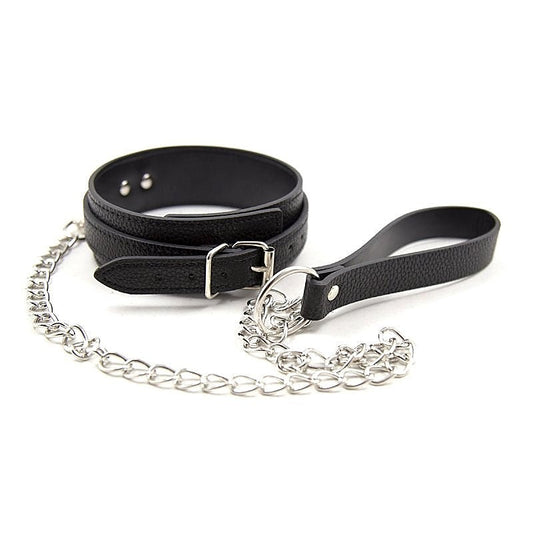
3D Kink Faux Leather Pet Collar Collar by BDStyle - BlackThe 3D Kink Faux Leather Pet Collar from BDStyle is a premium BDSM accessory featuring faux leather construction with metal hardware and a removable 66 cm chain leash. The collar measures 5 cm in width with seven adjustment points for customized fit, and includes...
- $19.99
$24.99- $19.99
- Unit price
- per
-
35 Inch Whip Tip Crop by Spartacus EnterprisesThe 35 Inch Whip Tip Crop by Spartacus Enterprises is a precision impact play implement measuring 35 inches long with a balanced design for controlled striking. The whip tip construction delivers focused sensation with professional-grade durability, making it suitable for both beginners learning impact...
- $49.99
$54.99- $49.99
- Unit price
- per
-
26 Inch Red Heart Tip Crop by Spartacus EnterprisesThe 26 Inch Red Heart Tip Crop from Spartacus Enterprises is a precision impact play tool measuring 25.5 inches with a distinctive heart-shaped tip for concentrated strikes. Crafted from durable materials in bold metallic red or classic black, it delivers controlled impact with minimal...
- $44.99
$49.99- $44.99
- Unit price
- per
-
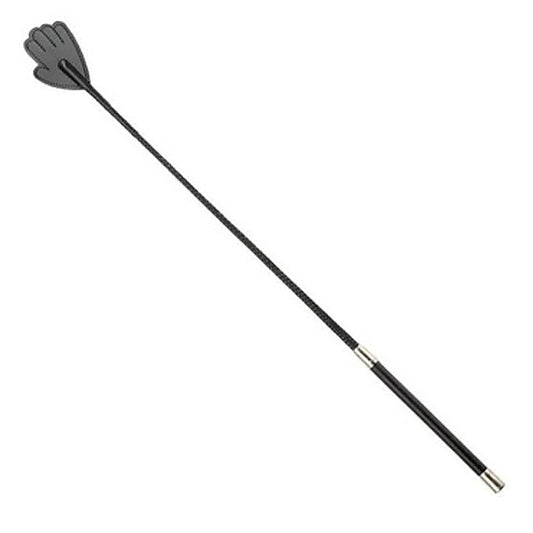
26 Inch Black Hand Tip Bondage CropThe 26 Inch Black Hand Tip Bondage Crop is a precision BDSM implement measuring 66 centimeters with a distinctive hand-shaped tip for varied sensation delivery. Constructed from durable materials with balanced weight distribution, it enables controlled intensity from gentle contact to firm impact. The...
- $44.99
$49.99- $44.99
- Unit price
- per
-
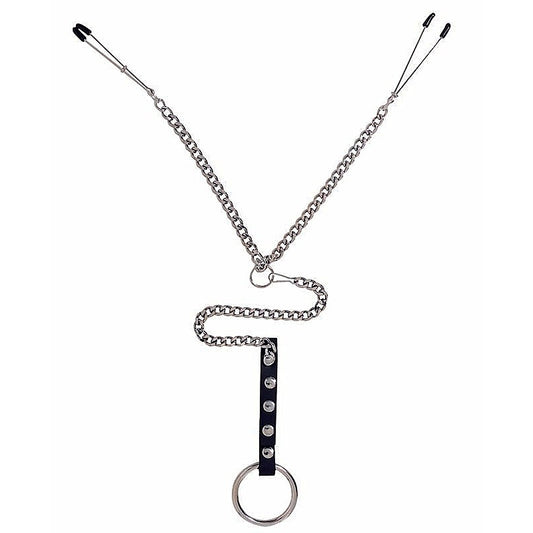
Y-Style Adjustable Tweezer Clamps With Cock RingY-Style Adjustable Tweezer Clamps with Cock Ring is a multi-component BDSM set combining adjustable nipple clamps with a detachable cock ring. Featuring rubber-tipped tweeters and metal connecting chains, it delivers customizable pressure across sensitive areas. Designed by Spartacus Enterprises, this set suits couples exploring...
- $59.99
$69.99- $59.99
- Unit price
- per
-
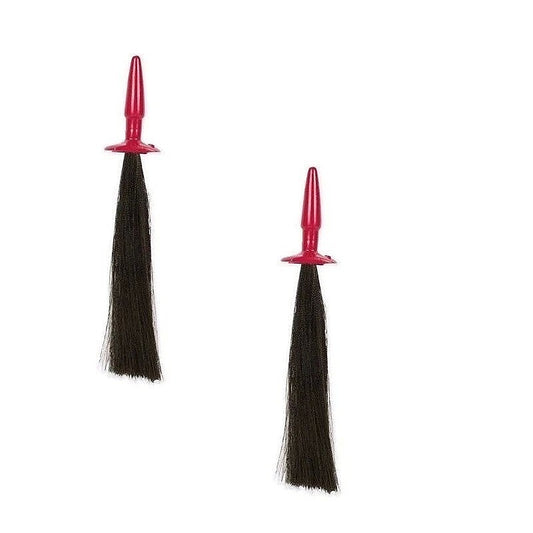
Reds Black Leather Pony Play BDSM Whip SmallDoc Johnson Red's Black Leather Pony Play BDSM Whip is a dual-purpose pony play accessory combining a body-safe rubber plug with attached genuine leather whip. The tapered plug measures 2.8 inches long, expanding from 2.2 to 3 inches in diameter for comfortable insertion and...
- $26.99
$29.99- $26.99
- Unit price
- per
-
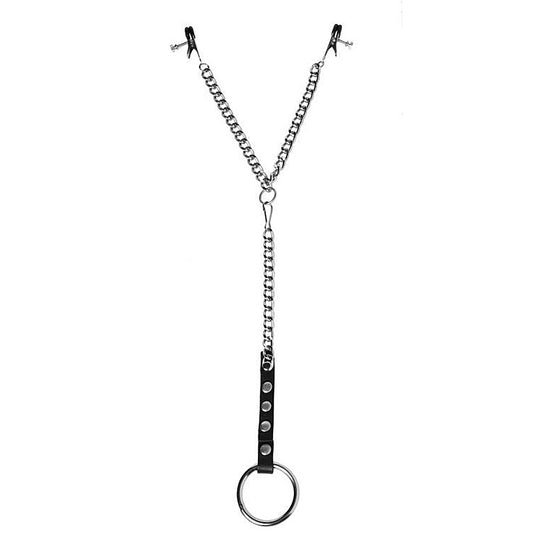
Nipple Clamps And Cock Ring Set by XR BrandsMasters Series Nipple Clamps And Cock Ring Set is a steel-based intimate accessory combining alligator-style nipple clamps with a 1.75-inch cock ring connected by adjustable chain. The set spans 19.5 to 22.5 inches total length with customizable leather snap positioning. XR Brands engineered this...
- $40.99
$44.99- $40.99
- Unit price
- per
-
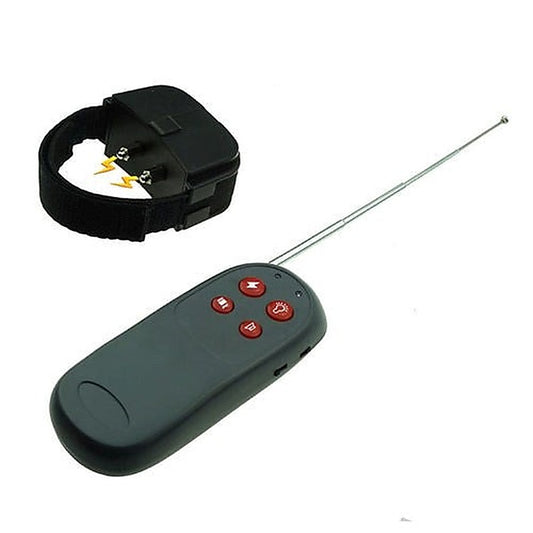
Jolt Electro Puppy Trainer Shock Collar by BDStyleBDStyle Electro Puppy Trainer is an electrostimulation collar designed for sensation play and power exchange. Measuring 5 inches long with adjustable intensity settings, it delivers variable shock levels controlled through user-friendly buttons. The device features rechargeable battery power and water-resistant construction, making it suitable...
- $49.99
$54.99- $49.99
- Unit price
- per
-
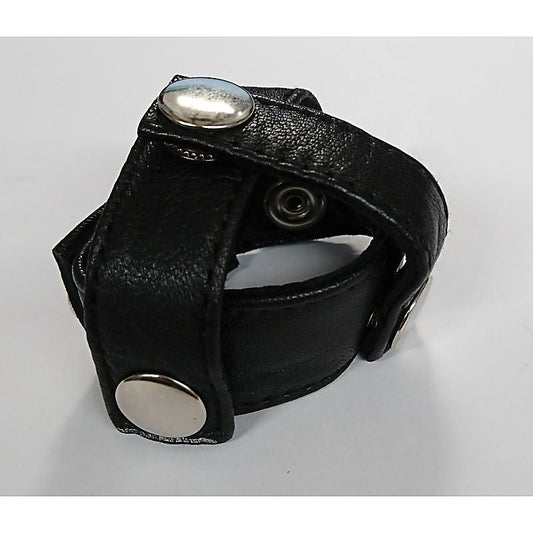
Mens Sensation Cock Ring Testicle Divider by Hells CoutureThe Sensation Cock Ring & Testicle Divider by Hell's Couture is a premium leather enhancement system featuring dual adjustable straps, metal stud accents, and integrated testicle separation. Weighing 105 grams, this genuine leather accessory delivers customized pressure and stamina control through precision engineering. It...
- $16.99
$19.99- $16.99
- Unit price
- per
-
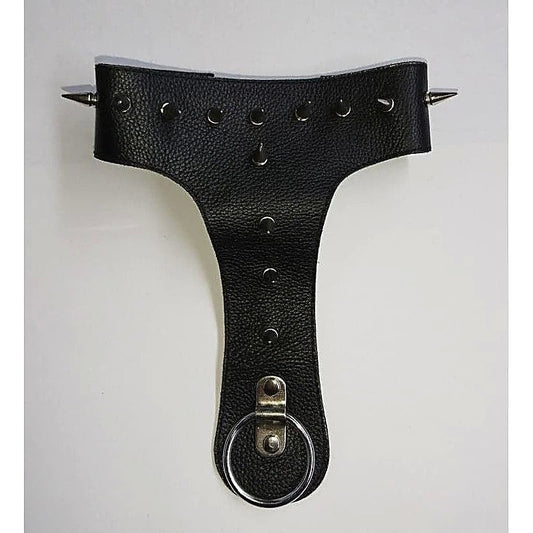
Devils Spiked Leather Collar With O-Ring by Hell's CoutureHell's Couture Devils Spiked Leather Collar is a premium BDSM collar crafted from genuine black leather with securely fastened metal spikes and a robust O-ring attachment point. Measuring adjustable to fit various neck sizes, it combines striking punk-inspired aesthetics with practical functionality for bondage...
- $21.99
$29.99- $21.99
- Unit price
- per
VISIT XVIDEO FOR ADULT DVDS


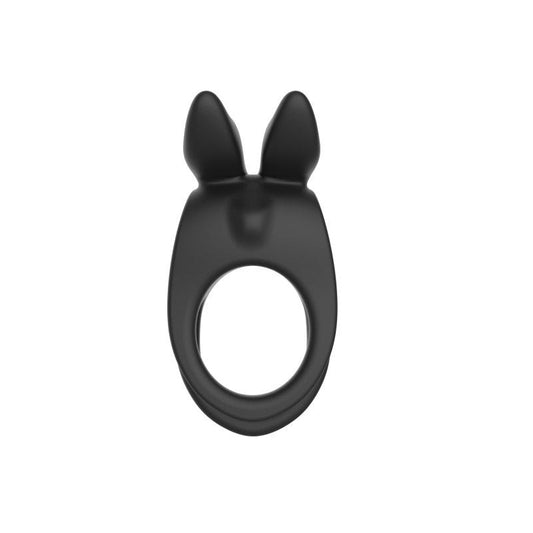
Men 10 Mode Vibrating Rabbit Cock Ring by Ashella
- Black
Ashella Men 10 Mode Vibrating Rabbit Cock Ring is a dual-ring vibrator designed for partnered stimulation and performance enhancement. Measuring 45.2 x 91.1 x 43.1mm with 10 vibration modes across 3 speed settings, it combines a supportive shaft and ball ring with external bunny...
- $34.99
$39.99- $34.99
- Unit price
- per
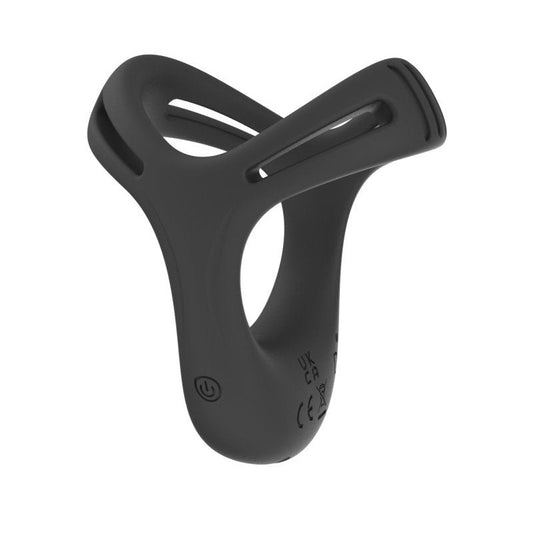
Men 10 Mode Vibrating Sling Ring by Ashella
- Black
Ashella Men 10 Mode Vibrating Sling Ring is a vibrating cock ring designed for enhanced support and dual-partner stimulation. Featuring 10 vibration modes across 3 speed settings, this silicone ring stretches to secure both shaft and balls for extended performance. At 63 x 55.5...
- $34.99
$39.99- $34.99
- Unit price
- per
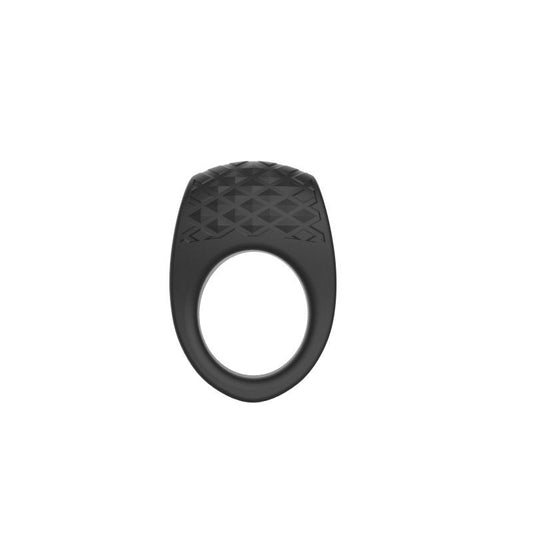
Men 10 Mode Vibrating Cock Ring by Ashella
- Black
The Ashella Men Vibrating Cock Ring is a silicone erection ring featuring 10 vibration modes across 3 speed settings. Measuring 45.5 x 66.7 x 29.4mm with rechargeable USB power lasting one hour per charge, it delivers customizable stimulation for solo or partnered play. The...
- $34.99
$39.99- $34.99
- Unit price
- per













Discipline in consensual BDSM involves controlled consequences and behavioral correction negotiated between partners. Methods include impact play with paddles or floggers, sensory restriction through blindfolds or restraints, position holding, and psychological protocols—all built on explicit consent, clear boundaries, and safe words.
At a glance
|
🚚 Plain, discreet packaging • 🔒 Discreet billing • 🔁 Hygiene-conscious returns |
About Discipline
Discipline in BDSM is a consensual exchange where one partner administers controlled consequences—physical or psychological—to reinforce agreed rules or power dynamics. Unlike punishment outside BDSM, this operates through enthusiastic consent, pre-negotiated boundaries, and safe words that allow immediate cessation. Partners establish rules together, discuss intensity levels, and agree on specific methods before any activity. The receiving partner keeps ultimate control through their safe word, making it a genuine exchange rather than forced harm.
Discipline serves multiple purposes beyond simple punishment. Some people use it for stress relief, emotional release, or focused meditation on physical sensation. Others weave it into broader power exchange where protocols and consequences create psychological structure in the relationship. You'll find discipline tools in leather, silicone, metal, and fabric—from restraint collars and cuffs to impact implements, sensory hoods, and gags. Hens Night Gifts sometimes include lighter discipline items for novelty play. if you're new to BDSM or experienced, discipline requires skill, knowledge, and genuine communication.
What makes Discipline different
Discipline is distinct because it centres on agreed power exchange and psychological structure, not random sensation. Every tool and method requires consent, negotiation, and understanding of anatomy and safety. The intensity is calibrated to both partners' limits, not imposed. Unlike casual adult novelties or Fancy Dress Ups, discipline demands ongoing communication, safe words, and mutual respect. It's a conversation between partners, not a one-way act.
Types of Discipline
Discipline methods fall into several broad categories, each requiring different skills and safety knowledge.
Impact play. Paddles, floggers, crops, or bare hands create sensations from light tapping to intense strikes. Proper technique, safe target zones (avoiding spine, kidneys, joints), and gradual intensity building are essential. Start light and read your partner's responses accurately.
Sensory discipline. Blindfolds, hoods, earplugs, or gags limit what the receiving partner experiences, creating vulnerability and heightened awareness. Temperature play, textures, and sensory stimulation intensify remaining senses or create overload. These methods require trust and clear communication.
Restraint and position. Cuffs, collars, bondage rope, and spreader bars restrict movement or enforce positions. Stress positions and endurance challenges build psychological intensity. Safety includes circulation checks, never leaving a restrained partner alone, and knowing how to release quickly.
Protocol and control. Communication rules, behavioural protocols, and psychological enforcement create structure without physical tools. Bucks Party Games sometimes mimic light protocol play. These methods rely entirely on agreement, consistency, and clear consequences.
How they compare
| Model | Material | Best for | Control or Base | Safety |
|---|---|---|---|---|
| Leather paddle | Leather | Impact play, beginner-friendly control | Hand-held, immediate feedback | Avoid spine and joints; start light |
| Silicone collar with D-ring | Silicone | Everyday wear, power exchange signalling | Buckle or snap closure, adjustable fit | Check circulation; avoid neck pressure alone |
| Blindfold hood | Neoprene or fabric | Sensory deprivation, psychological control | Buckles or laces, breathing holes essential | Ensure clear safe word; never leave alone |
| Metal cuffs with chain | Stainless steel | Restraint, impact-resistant durability | Padlock or click closure, adjustable sizing | Pad with fabric; check circulation regularly |
How to choose a discipline
Start by identifying what appeals to you and your partner. Are you drawn to physical impact, sensory control, or psychological structure? Beginners often start with lighter impact tools (paddles, riding crops) or simple restraints (cuffs, rope) before exploring more intense methods. Consider your experience with BDSM communication, safe words, and anatomical safety. If you're new, invest time in learning proper technique—impact play especially requires skill to avoid injury.
Material matters for comfort, durability, and safety. Leather is classic and forgiving; silicone is easy to clean and long-lasting; metal is durable but needs padding to prevent bruising. Think about storage and discretion—some items are more compact or subtle than others. Check our Clearance Sale for quality discipline gear at reduced prices. Most importantly, choose tools that match your negotiated boundaries, intensity preferences, and the specific dynamics you want to explore together.
Tips from the Adultsmart team
Hard-won pointers from the Adultsmart team, alongside our panel of sexologists, educators, and adult-industry contributors. Meet our experts →
After years of helping customers with discipline gear, the biggest mistake we see is skipping the negotiation step. People buy a paddle or restraints and assume they know how to use them safely. Take time to discuss intensity, target areas, and hard limits with your partner before anything arrives. A safe word isn't just a nice idea—it's the foundation of trust. Make sure both of you understand it, can say it clearly, and will respect it immediately.
For impact play, start much lighter than you think you need to. What feels like a tap to the giver can sting significantly for the receiver. Build intensity gradually over multiple sessions, not in one night. Watch for colour changes in the skin, swelling, or signs your partner is reaching their limit. Impact tools require practice—a flogger or crop isn't intuitive, so consider practising on a pillow first. Technique prevents injury; power doesn't equal skill.
With restraint and sensory tools, never leave your partner restrained or hooded alone. Accidents happen—a panic response, circulation issues, or breathing difficulty—and you need to be present. Check in regularly during longer scenes. For restraints, padding matters; bare metal or hard plastic against skin causes nerve damage and bruising. Keep safety shears or quick-release tools within reach. Aftercare—reassurance, hydration, checking in emotionally—is as important as the scene itself and shouldn't be skipped.
| Please read — safety first. Charge only with the supplied cable and keep the charging port dry unless the sex toy is waterproof-rated. Pair and update through the official app, and switch the device off fully between sessions so the motor and battery aren't left under load. Never share between partners, or between anal and vaginal use, without cleaning the item first or using a fresh condom. This information is general in nature only and is not medical advice; it does not account for your individual circumstances. If you have a relevant health condition or experience any persistent discomfort, discontinue use and seek advice from a qualified medical professional. |
Care and cleaning
Care depends on material. Leather tools should be wiped clean after use and conditioned regularly to prevent cracking. Metal restraints need drying to prevent rust; stainless steel is more forgiving. Silicone and fabric items are usually machine washable or hand-washable with warm soapy water. Rope should be inspected for fraying and stored dry. Always check manufacturer guidelines. Proper care extends the life of your discipline gear and keeps it hygienic for repeated use.
Learn more
Discipline in BDSM is a serious conversation about power, trust, and consent. Understanding the psychology and safety behind it matters as much as the tools themselves. Can Employers Discipline Workers For Adult Content Online explores workplace boundaries. Read widely, talk to experienced practitioners, and never rush into anything you haven't fully negotiated.
Why shop Discipline at Adultsmart
Looking for a piece that actually fits how you play? Adultsmart stocks discipline gear chosen by people who understand BDSM—restraints, impact tools, sensory items, and control implements that work. We focus on body-safe materials and practical design, not marketing hype. Discreet packaging and billing protect your privacy. Body-safe, clearly labelled, and chosen by people who use this gear.
Discipline FAQ
Can you combine impact toys with sensory deprivation equipment in the same session?
Blindfolds or hoods intensify impact sensations by eliminating anticipation. Ensure the person can signal non-verbally since sight is restricted. Combine gradually to manage intensity escalation.
What sensory play equipment creates discipline intensity comparable to impact toys without striking?
Sensory deprivation (hoods, isolation), temperature extremes (ice, wax), electrical stimulation, and predicament positions create comparable psychological intensity without impact. Different sensation type, similar intensity potential.
Do locking discipline collars require different sizing than buckle collars?
Yes—locking collars need precise fit since they cannot be adjusted once locked. Buckle collars adjust 3–5 cm through multiple holes. Measure neck exactly for locking versions.
What impact toy materials create the most versus least intense sensations?
Most intense: canes, hard wood paddles. Moderate: leather paddles, rubber. Least intense: silicone, suede floggers, fur. Start lighter material-wise before progressing to harder implements.
Can sensory hoods restrict breathing if combined with physical exertion from discipline?
Hoods with nose/mouth coverage restrict airflow during heavy breathing from impact or stress positions. Use open-mouth designs or remove hoods during physically demanding discipline to prevent breathing difficulties.
Do discipline weights attach to standard play collars or require specific collar types?
Weights need reinforced D-rings rated for pulling force. Decorative collars with light-duty hardware will break. Look for "training collar" or "weight-compatible" specifications confirming D-ring strength.
What mouth restraint styles still allow safe word sounds versus complete silence?
Open-mouth gags allow muffled vocalizations. Ball gags create more sound restriction but humming is possible. Panel gags and tape prevent nearly all sound—require non-verbal safe signals only.
How do leash lengths affect control dynamics in discipline scenes?
Short leashes (30–60 cm) maintain close control, preventing movement beyond arm's reach. Long leashes (120–180 cm) allow distance while maintaining tether—useful for position changes during impact play.
Do fetish hoods with multiple restriction features (eyes, ears, mouth) overwhelm most users?
Full sensory deprivation is intense—many users cannot tolerate multiple restrictions simultaneously. Hoods with removable components (zip-off mouth, detachable blindfold) allow gradual restriction building versus all-at-once overwhelm.
Can discipline collars be worn visibly in public or are they only bedroom equipment?
Depends on design. "Discreet" or "day collars" resemble chokers—publicly wearable. Heavy leather or metal collars with prominent D-rings are obviously fetish equipment—bedroom/private event only.
Recently Viewed Products
Example product title
- $19.99
- $19.99
- Unit price
- per
Example product title
- $19.99
- $19.99
- Unit price
- per
Example product title
- $19.99
- $19.99
- Unit price
- per
Example product title
- $19.99
- $19.99
- Unit price
- per
Example product title
- $19.99
- $19.99
- Unit price
- per
Example product title
- $19.99
- $19.99
- Unit price
- per
Example product title
- $19.99
- $19.99
- Unit price
- per
Example product title
- $19.99
- $19.99
- Unit price
- per
Example product title
- $19.99
- $19.99
- Unit price
- per
Example product title
- $19.99
- $19.99
- Unit price
- per
Why Shop With Adultsmart?
- Choosing a selection results in a full page refresh.