




-
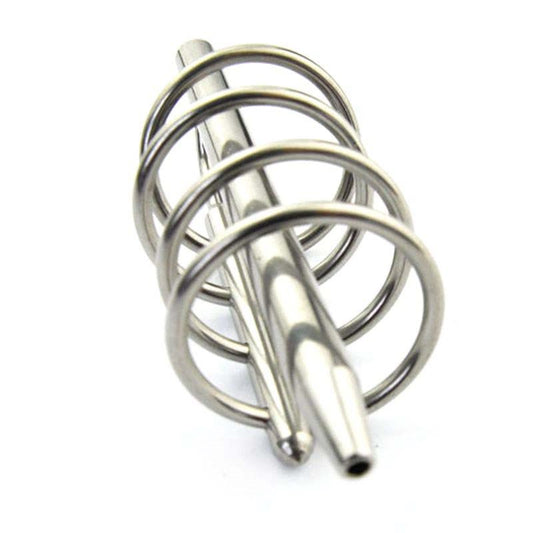
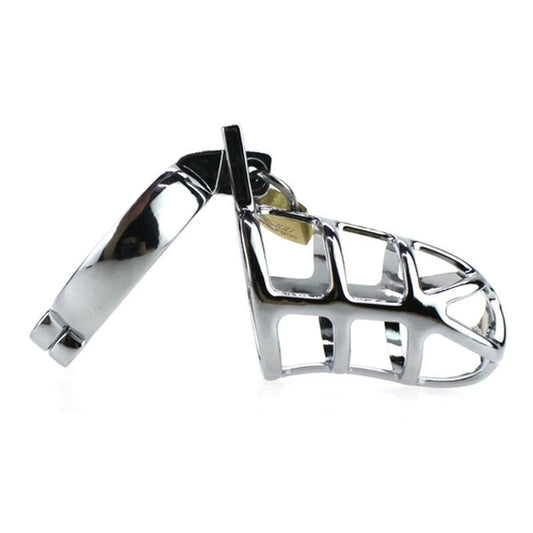
Gates of Hell Cock Cage & Penis PlugAdvanced Stainless Steel Intimate Restraint Device The Gates of Hell combines precision engineering with premium materials, creating a sophisticated device for experienced users. This meticulously crafted stainless steel apparatus features multiple integrated components designed for those seeking advanced intimate experiences. Professional Grade Construction Crafted...
- $24.99
$34.99- $24.99
- Unit price
- per
-
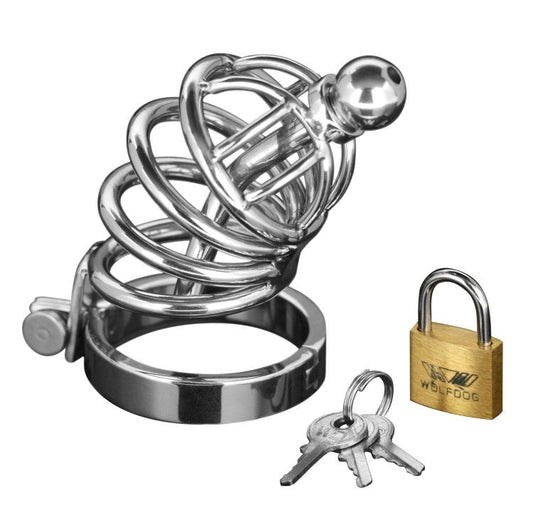
Asylum 4 Ring Locking Chastity CageExperience Premium Control with the Asylum 4 Ring Locking Chastity Cage Discover superior craftsmanship with the Asylum 4 Ring Locking Chastity Cage, a precision-engineered stainless steel device designed for secure and comfortable extended wear. This professional-grade system offers customizable sizing options and reliable security...
- $157.99
$174.99- $157.99
- Unit price
- per
-
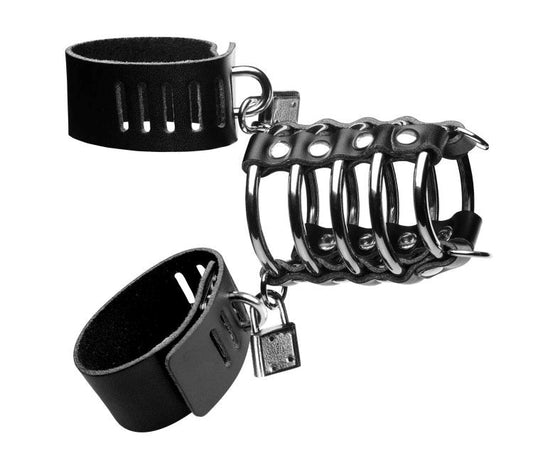
Strict Gates Of Hell Chastity DeviceDiscover Ultimate Control with the Strict Gates of Hell Chastity Device Experience the pinnacle of control and submission with the Strict Gates of Hell Chastity Device, a masterfully crafted stainless steel chastity cage that combines sophisticated design with practical functionality. This premium device represents...
- $20.99
$24.99- $20.99
- Unit price
- per
-
Lions Den Steel Cock CageLions Den Steel Cock Cage - Premium Male Chastity Device The Lions Den Steel Cock Cage from BDStyle represents premium craftsmanship in male chastity devices. This sophisticated cage combines durability with comfort through its expertly engineered stainless steel construction, making it an ideal choice...
- $34.99
$39.99- $34.99
- Unit price
- per
-
Bullnose Metal Male Chastity DeviceBullnose Metal Male Chastity Device - Premium Surgical Steel Restraint The Bullnose Metal Male Chastity Device represents a masterpiece in intimate control, crafted from premium surgical steel for those seeking a sophisticated approach to chastity play. This thoughtfully designed device combines security, comfort, and...
- $29.99
$39.99- $29.99
- Unit price
- per
VISIT XVIDEO FOR ADULT DVDS



XR Brands Creature Cocks Master Cobra Silicone Cock Ring
- Red
XR Brands Creature Cocks Master Cobra is a fantasy-themed silicone cock ring designed for depth control and extended play during partnered penetration. Measuring 2.3 inches long with a 0.9-inch inner diameter, it features a 2-inch extension that buffers depth while the tight fit increases...
- $24.99
$29.99- $24.99
- Unit price
- per
Zero Tolerance PROSTATE POWER PACK Massager With Remote
- Green
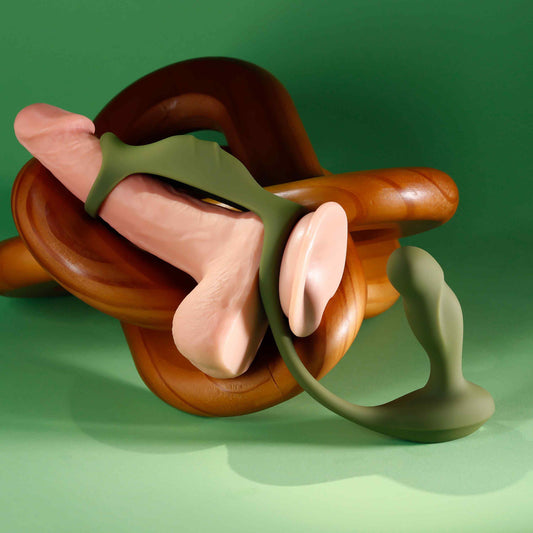
Zero Tolerance PROSTATE POWER PACK Massager With Remote is a dual-component prostate stimulator with vibrating plug and ridged C-ring harness. The insertable plug measures 8.3 cm long with 2.8 cm diameter, delivering 10 vibration speeds via 9.8-meter remote control. Liquid silicone construction ensures body-safe...
- $89.99
$99.99- $89.99
- Unit price
- per
LELO LIFEGUARD Originals Male Vibrating Penis Ring
- Pink
LELO LIFEGUARD Originals is a vibrating penis ring crafted from premium silicone, designed for couples' shared stimulation. Measuring 63 x 48 x 23 mm and weighing 32 grams, it features four standard vibration patterns plus four additional app-unlocked modes. The stretchy, body-safe silicone adapts...
- $74.99
$79.99- $74.99
- Unit price
- per





Breathable Chastity Cages FAQ
How much ventilation difference exists between open bars and perforated cages?
Open bar cages provide 60-80% more airflow than perforated designs since large gaps allow unrestricted circulation from all angles. Perforated holes restrict airflow to specific points creating less effective overall ventilation. Users in very hot climates or with heavy sweating benefit significantly from open bars, while moderate conditions work adequately with perforated designs balancing ventilation against visual coverage.
How much does breathable construction increase cage cost?
Open bar breathable designs typically cost similarly to solid cages since both require comparable material and manufacturing. Perforated cages may cost slightly more due to additional drilling processes. Premium breathable devices with optimized ventilation patterns cost 20-30% more than basic designs. The investment prevents moisture-related problems justifying higher initial cost through improved extended wear comfort and reduced skin issues.
Can breathable cages prevent all moisture-related skin problems?
Maximum ventilation significantly reduces moisture issues but cannot eliminate them entirely during very extended wear or extreme heat. Daily rinsing remains essential even with breathable designs. Users prone to skin infections or sensitivities still require periodic removal every 48-72 hours for thorough cleaning and skin inspection despite improved airflow preventing most moisture accumulation problems.
Do open bar cages allow stimulation through the gaps?
Wide bar spacing permits limited finger access potentially allowing some external stimulation through gaps. Quality breathable cages space bars 10-15mm apart preventing effective manipulation while maintaining airflow. Determined attempts might achieve minimal contact but cannot create sufficient friction for orgasm. The security trade-off against breathability remains acceptable for consensual chastity where participants cooperate willingly.
How do breathable cages perform during winter or cold weather?
Open ventilation allows cold air circulation that can feel uncomfortable during winter outdoor exposure or cold indoor environments. The airflow preventing summer overheating becomes a liability in cold conditions causing persistent chill sensation. Consider seasonal rotation using breathable designs during warm months and enclosed cages during winter, or layer insulating clothing around the device.
Can you wear breathable cages under fitted clothing without detection?
Open bar construction and mesh patterns create texture variations visible through tight fabrics. The gaps may show dark shadows through light-colored thin clothing. Breathable cages work better under loose pants, jeans, or darker fabrics concealing the ventilation structure. Maximum breathability and maximum discretion remain incompatible requiring users to prioritize based on whether comfort or concealment matters more.
Do perforated cages dry faster than solid enclosed designs?
Perforated cages dry moderately faster than solid tubes but significantly slower than open bar designs. The holes allow some air circulation but moisture can still accumulate inside perforated walls. Open bars provide fastest drying since all surfaces expose directly to air. Drying speed matters for preventing bacterial growth during the damp period after cleaning or unexpected water exposure.
How do you prevent debris accumulation in ventilation holes?
Daily rinsing with flexible shower attachments flushes debris through ventilation gaps before it hardens. Use soft brushes reaching between bars or into holes dislodging stuck material. Avoid body powders or lubricants that could clog ventilation openings reducing airflow effectiveness. Open bar designs accumulate less debris than perforated holes since large gaps prevent trapping compared to smaller openings.
Can breathable cages reduce odor during extended wear?
Maximum ventilation significantly reduces odor by preventing moisture accumulation where bacteria causing smell thrives. However, breathable designs cannot eliminate odor entirely without proper hygiene. Daily rinsing with antibacterial soap remains essential. The improved airflow means odor develops slower with breathable cages compared to enclosed designs but still occurs without adequate cleaning routines.
Do metal breathable cages conduct temperature uncomfortably?
Steel breathable cages initially feel cold but warm to body temperature within minutes during wear. The open construction allows air circulation preventing heat buildup that enclosed metal cages create. Cold weather exposure conducts chill more effectively through metal bars than plastic, though the small surface area limits this effect. Most users adapt to metal temperature conduction quickly.
Recently Viewed Products
Example product title
- $19.99
- $19.99
- Unit price
- per
Example product title
- $19.99
- $19.99
- Unit price
- per
Example product title
- $19.99
- $19.99
- Unit price
- per
Example product title
- $19.99
- $19.99
- Unit price
- per
Example product title
- $19.99
- $19.99
- Unit price
- per
Example product title
- $19.99
- $19.99
- Unit price
- per
Example product title
- $19.99
- $19.99
- Unit price
- per
Example product title
- $19.99
- $19.99
- Unit price
- per
Example product title
- $19.99
- $19.99
- Unit price
- per
Example product title
- $19.99
- $19.99
- Unit price
- per
Why Shop With Adultsmart?
- Choosing a selection results in a full page refresh.