



-
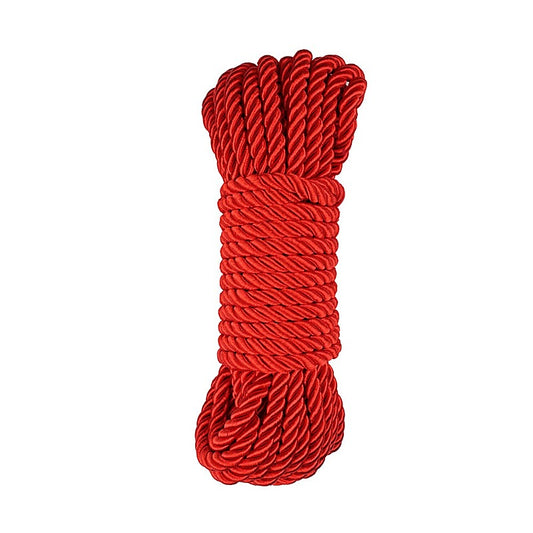
Premium TABOOM Bondage Rope Red by ScalaScala BDSM Play High Quality TABOOM Bondage Rope – Red The TABOOM Red Bondage Rope brings professional-grade quality to bondage play ropes with soft, skin-friendly construction available in 5-meter and 10-meter lengths. This isn't repurposed hardware rope—it's purpose-built for intimate body contact, balancing secure...
- From $54.99
$69.99- From $54.99
- Unit price
- per
-
Premium Fetish Play Bondage Rope by Adam & EveAdam & Eve Fetish Play Bondage Rope The Adam & Eve Fetish Play Bondage Rope is a versatile, soft-touch restraint tool designed for sensual and secure bondage play. Available in 3m, 4.5m, and 9m lengths, this bondage play rope caters to beginners tying wrists...
- From $24.99
$29.99- From $24.99
- Unit price
- per
-
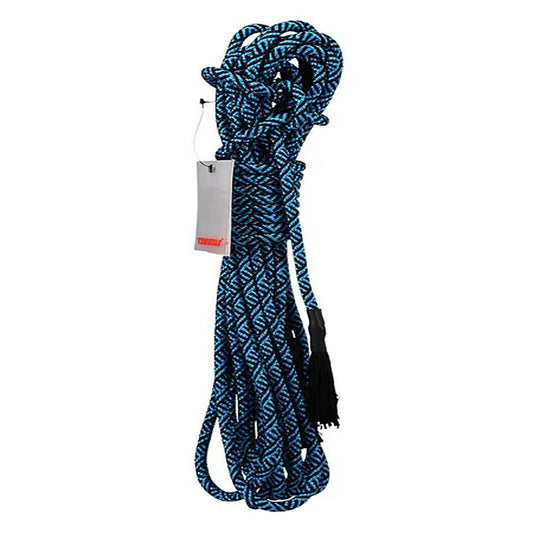
OUCH! Silky Smooth Nylon Bondage Rope 10m by Shots Toys - BlueOUCH! Silky Smooth Nylon Bondage Rope 10m - Where Comfort Meets Adventure The OUCH! Silky Smooth Nylon Bondage Rope transforms intimate exploration into an art form, offering couples a gateway to deeper connection through consensual restraint play. This carefully engineered 10-meter rope represents the...
- $24.99
$29.99- $24.99
- Unit price
- per
-
Silky Bondage Play Rope 10m Hot Pink by Love In Leather - Hot PinkLove In Leather Silky Bondage Play Rope 10m Hot Pink The Love In Leather Silky Bondage Play Rope 10m Hot Pink revolutionizes intimate restraint accessories through innovative material engineering and sophisticated design principles. This premium rope combines the structural reliability of cotton core construction...
- $24.99
$29.99- $24.99
- Unit price
- per
-
10m Silky Bondage Play Rope by Love In LeatherLove In Leather 10 m Silky Bondage Play Rope The Love In Leather 10 m Silky Bondage Play Rope revolutionizes intimate restraint through sophisticated engineering that combines the strength and security of cotton core construction with the luxurious feel of silk-effect covering. This premium...
- $24.99
$29.99- $24.99
- Unit price
- per
-
20m Cotton Bondage Rope by Love In Leather - PinkLove In Leather 20m Cotton Bondage Rope Love In Leather 20m Cotton Bondage Rope transforms intimate exploration through the ancient art of rope bondage, delivering both functional restraint and aesthetic beauty in a single premium package. This carefully engineered rope combines traditional cotton comfort...
- $34.99
$39.99- $34.99
- Unit price
- per
-
10m PVC Bondage Play Tape by Love In Leather - Baby PinkLove In Leather 10m PVC Bondage Play Tape - Revolutionary Self-Adhering Restraint Technology Love In Leather 10m PVC Bondage Play Tape revolutionizes restraint play with its ingenious self-adhering design that eliminates the mess, pain, and complications of traditional bondage materials. This innovative tape adheres...
- $12.99
$14.99- $12.99
- Unit price
- per
-
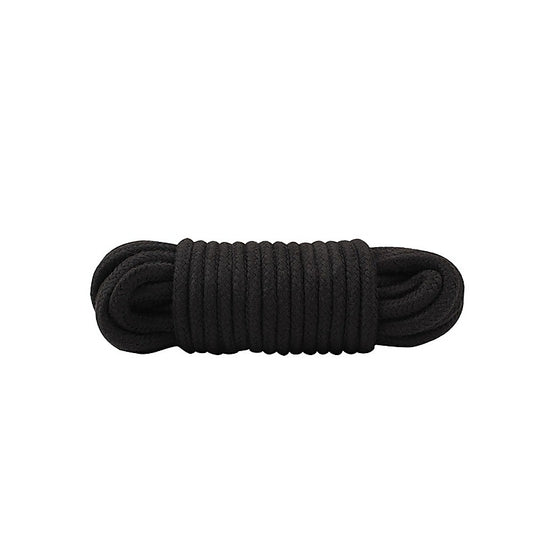
Silky Bondage Play Rope 10m by Love In Leather - BlackLove In Leather Silky Bondage Play Rope 10m - Where Comfort Meets Control Love In Leather Silky Bondage Play Rope 10m transforms your intimate moments with its perfect balance of strength and sensuality. Designed for couples who appreciate both safety and sophistication in their...
- $24.99
$29.99- $24.99
- Unit price
- per
-
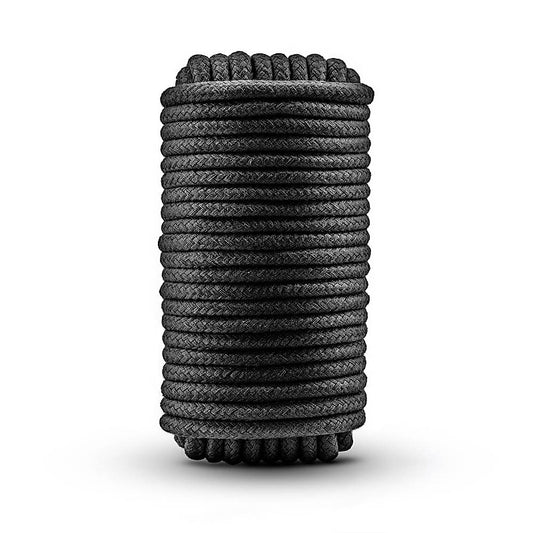
10 Mtr Cotton Bondage Rope by Love In Leather - BlackLove In Leather 10 Metre Cotton Bondage Rope The Love In Leather 10 Metre Cotton Bondage Rope transforms intimate moments into artful explorations of trust and sensation. Crafted specifically for rope enthusiasts who demand both comfort and reliability, this versatile rope opens doors to...
- $19.99
$24.99- $19.99
- Unit price
- per
-
Master Series Tied Up Ultra Premium Braided Jute BondageMaster Series Tied Up Ultra Premium Braided Jute Bondage Rope 50 Ft Master Series Tied Up Ultra Premium Braided Jute Bondage Rope transforms traditional rope bondage into an art form with its exceptional craftsmanship and authentic natural properties. Designed for practitioners who appreciate the...
- $59.99
$64.99- $59.99
- Unit price
- per
-
Rebellion Reign Natural Bondage Play Rope by Lovetoy - TanLovetoy Rebellion Reign Natural Bondage Play Rope The Lovetoy Rebellion Reign Natural represents an advancement in intimate accessories, combining traditional materials with modern engineering. This professionally crafted rope features a specialized hemp-polyester blend construction and custom metal components to deliver optimal performance while ensuring...
- $19.99
$29.99- $19.99
- Unit price
- per
-
Rebellion Reign Silky Bondage Play Rope by Lovetoy - RedLovetoy Rebellion Reign Silky Bondage Play Rope The Lovetoy Rebellion Reign represents a significant advancement in intimate accessories, combining premium materials with precision engineering. This professionally crafted rope features specialized polyester construction and custom metal components to deliver optimal performance while ensuring user comfort....
- $14.99
$24.99- $14.99
- Unit price
- per
-
Premium Fetish Bondage Play Rope 10m by Lovetoy - BlackProfessional Japanese Cotton Excellence Experience refined craftsmanship with the Lovetoy Fetish 10-meter Bondage Play Rope. This meticulously engineered accessory demonstrates exceptional attention to material selection and construction details, featuring premium Japanese cotton designed for optimal comfort and reliability. The precise specifications ensure consistent performance...
- $19.99
$24.99- $19.99
- Unit price
- per
-
Professional Bondage Tape 20m Red by Evolved - RedExperience Versatile Design with Evolved Bondage Tape The Evolved 20 Metre Bondage Tape represents a sophisticated approach to intimate accessories. This professional-grade vinyl tape combines elegant design with practical functionality, offering extensive versatility for creative intimate expression. Premium Material Construction Crafted from high-grade PVC...
- $29.99
$34.99- $29.99
- Unit price
- per
-
Bound BDSM Play Bondage Rope by NS Novelties - GreenExperience Premium Restraint Accessories The NS Novelties Bound Rope exemplifies meticulous craftsmanship in intimate restraint accessories. This precisely engineered 25-foot length provides optimal versatility for various applications while maintaining comfort through its premium polyester fiber construction. Superior Engineering Specifications Crafted with exact dimensions of...
- From $34.99
$44.99- From $34.99
- Unit price
- per
-
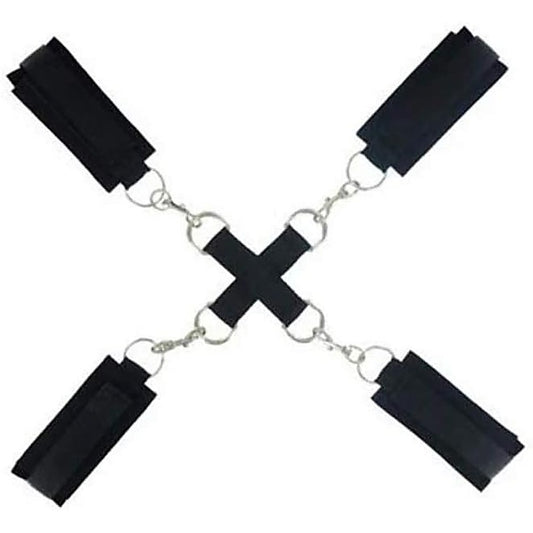
Frisky Stay Put Cross BDSM Play Tie Restraints by XR BrandsAdvanced Restraint System for Creative Play The Frisky Stay Put Cross BDSM Play Tie Restraints offer a sophisticated approach to intimate restraint scenarios. This five-piece system combines durability with comfort, featuring premium materials and thoughtful engineering for safe, exciting play experiences. Professional-Grade Construction Each...
- $54.99
$79.99- $54.99
- Unit price
- per
-
Temptasia Bondage Rope by Blush Novelties - BlackTemptasia Bondage Rope: Premium Cotton Restraint Artistry The Temptasia Bondage Rope offers 10 meters of pure cotton perfection for those exploring the artistry of intimate restraint. This premium-grade rope combines traditional craftsmanship with modern safety considerations, creating an essential tool for both beginners and...
- $44.99
$49.99- $44.99
- Unit price
- per
-
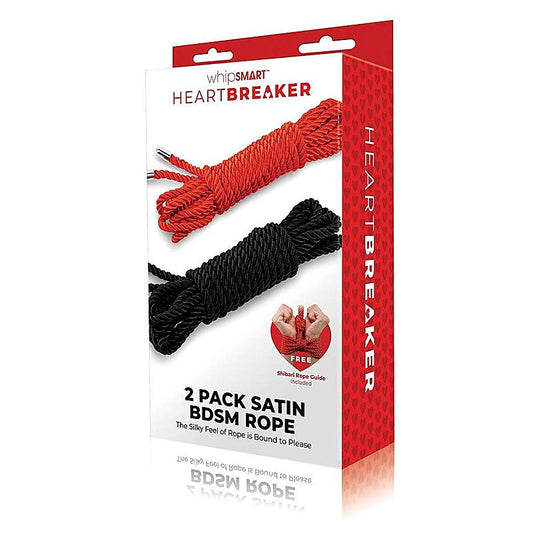
WhipSmart Heartbreaker Satin BDSM Ropes by Xgen ProductsElegant Restraint with Premium Satin Comfort The WhipSmart Heartbreaker 2 Pack Satin BDSM Ropes combine aesthetic beauty with practical functionality, offering a premium introduction to the art of rope play. This carefully curated set includes two 4.8-meter lengths in striking black and passionate red,...
- $44.99
$54.99- $44.99
- Unit price
- per
-
Premium BDSM Play Rope 30 Feet by Tantus - AzureElevate Your Intimate Art with Tantus 30-Foot Rope The Tantus 30-Foot Rope combines elegance with functionality, offering a premium experience for those interested in the artistry of rope play. Crafted from 100% polyester with a sophisticated 6mm diameter, this rope provides the perfect balance...
- $49.99
$64.99- $49.99
- Unit price
- per
-
Professional Bound Rope Red by NS NoveltiesExplore the Art of Intimate Connection with Bound Rope - Red Ignite your passion and elevate your intimate experiences with the Bound Rope in a captivating red hue. This versatile, 7.6-meter rope is designed to unlock new realms of sensual exploration, perfect for those...
- $24.99
$29.99- $24.99
- Unit price
- per
-
Professional Bondage Hemp Rope by BDStyleProfessional-Grade Natural Fiber Restraint The Bondage Hemp Rope represents excellence in natural fiber restraint accessories, crafted from 100% organic hemp material. This premium rope combines traditional craftsmanship with modern safety considerations, offering superior performance for both aesthetic and practical applications in intimate restraint scenarios....
- From $7.99
$9.99- From $7.99
- Unit price
- per
-
Fetish Fantasy Bondage Play Japanese Silk Rope - PinkFetish Fantasy Bondage Play Japanese Silk Rope The Fetish Fantasy Bondage Play Japanese Silk Rope invites you to explore the intimate art of restraint with its luxurious texture and versatile 35-foot length. This stunning red rope combines aesthetic beauty with functional design, featuring a...
- $29.99
$39.99- $29.99
- Unit price
- per
-
Professional-Grade Bondage Rope by BDStyle - PurpleBondage Rope by BDStyle - Artistic Expression in Restraint The BDStyle Bondage Rope brings the artistry of Japanese-inspired restraint to life with 5 meters of carefully crafted material. This versatile rope combines practical functionality with sensual appeal, perfect for creating intricate patterns and secure...
- $12.99
$14.99- $12.99
- Unit price
- per
-
Premium Bondage Couture Rope by NS Novelties - BlackIntroducing the Bondage Couture Rope: Elevate Your Intimate Adventures Are you ready to explore the thrilling world of bondage and take your intimate experiences to new heights? The Bondage Couture Rope is here to unlock a realm of sensual possibilities, offering both novices and...
- $44.99
$49.99- $44.99
- Unit price
- per
-
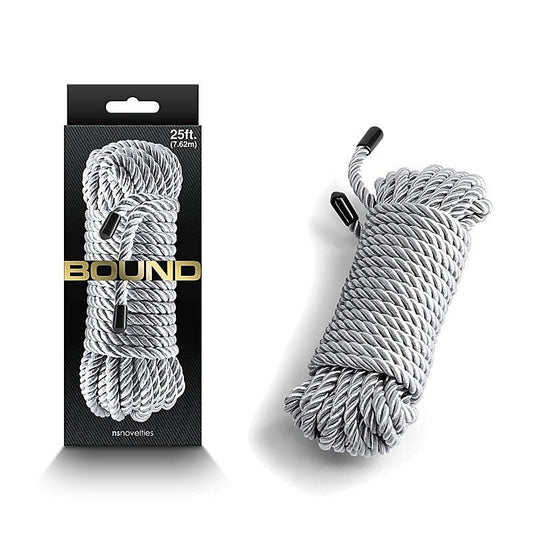
Professional-Grade Bound Rope by NS Novelties - SilverBound Rope - Exquisite Bondage Artistry The Bound Rope by NS Novelties transforms intimate exploration into an art form. This meticulously crafted 7.6-meter rope opens the door to creative expression and connection, perfect for both newcomers and experienced practitioners of rope play. Crafted for...
- From $24.99
$29.99- From $24.99
- Unit price
- per
-
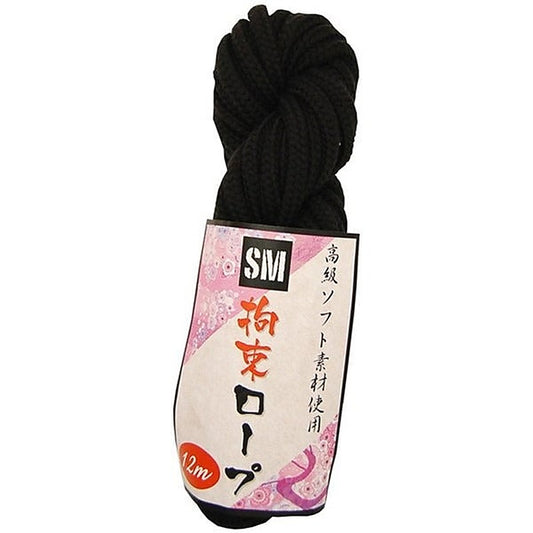
SM Restraint Soft Bondage Rope 12 metres BlackSM Restraint Soft Bondage Rope 12 Metres Black: Japanese Craftsmanship Meets Sensual Restraint SM Restraint Soft Bondage Rope offers 12 luxurious metres of tactile pleasure, crafted specifically for those who appreciate the artistry of Japanese-style bondage combined with exceptional comfort. This premium black rope,...
- $24.99
$29.99- $24.99
- Unit price
- per
-
WhipSmart Japanese Silk Bondage Rope by Xgen ProductsWhipSmart Japanese Silk Bondage Rope is a 3-metre ultra-soft polypropylene rope designed for Shibari and rope bondage practice. The smooth, friction-resistant material prevents skin irritation while maintaining secure knot integrity. It includes a comprehensive Shibari Guide booklet and complementary nipple clamps, making it suitable...
- $39.99
$49.99- $39.99
- Unit price
- per
-
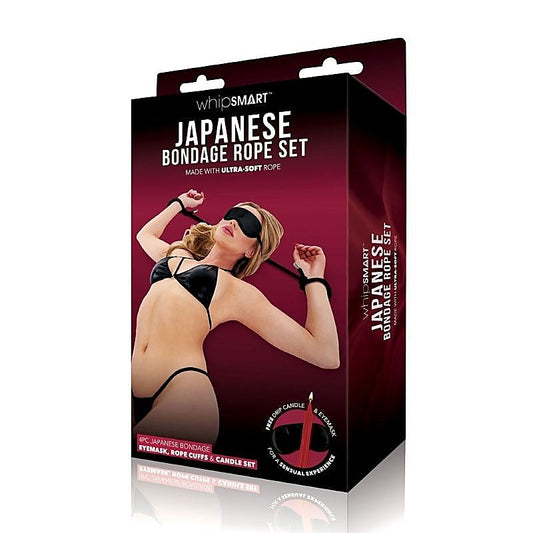
Exquisite Japanese Bondage Rope Kit by Xgen ProductsWhip Smart Japanese Bondage Rope Set is a comprehensive restraint system featuring 8-foot jute ropes with adjustable cuffs, metal hardware, and sensory accessories including a blindfold and feather tickler. The set accommodates various body types through customizable restraints and includes wrist and ankle cuffs...
- $54.99
$69.99- $54.99
- Unit price
- per
-
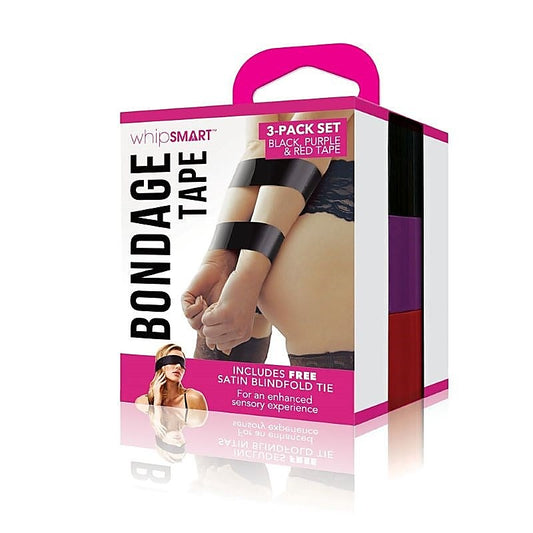
WhipSmart Bondage Tape 3-Pack with BlindfoldWhipSmart Bondage Tape 3-Pack with Blindfold is a restraint and sensory play set containing three 15-meter rolls of self-adhesive tape plus a satin blindfold. The tape adheres only to itself, leaving no residue or marks on skin, and totals 45 meters for extended sessions....
- $39.99
$49.99- $39.99
- Unit price
- per
-
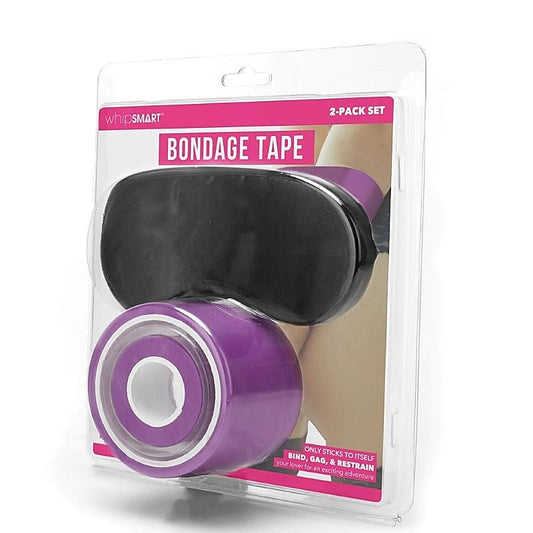
Premium WhipSmart Bondage Tape by Xgen ProductsWhipSmart Bondage Tape in purple is a self-adhesive restraint tape designed for consensual bondage play. The 30-metre roll adheres only to itself, never to skin, making it safe for extended wear. It tears by hand without tools, includes a complementary satin eye mask, and...
- $29.99
$39.99- $29.99
- Unit price
- per
-
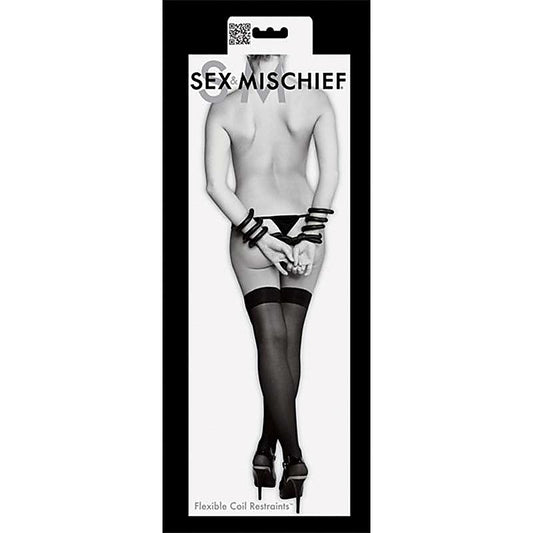
Premium Flexible Coil Restraints by SportsheetsSex & Mischief Flexible Coil Restraints are bondage restraints featuring a 34-inch nickel-free metal core wrapped in soft polyethylene foam. The flexible design holds its shape when bent, accommodating various positions without additional fasteners. Made by Sportsheets, they suit couples exploring restraint play who...
- $14.99
$24.99- $14.99
- Unit price
- per
-
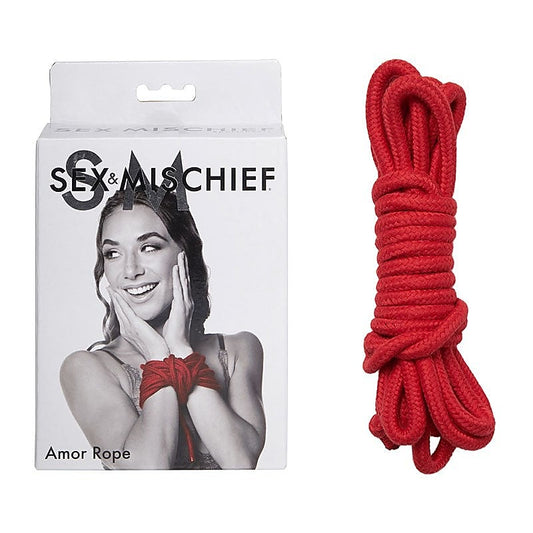
Professional S&M Amor Rope by SportsheetsS&M Amor Rope is a premium bondage rope featuring two 4.5-meter lengths of 100% natural cotton, totaling 9 meters for versatile restraint play. The vibrant red coloring adds visual appeal while the soft cotton construction maintains secure holds without causing rope burn. Machine-washable and...
- $24.99
$29.99- $24.99
- Unit price
- per
-
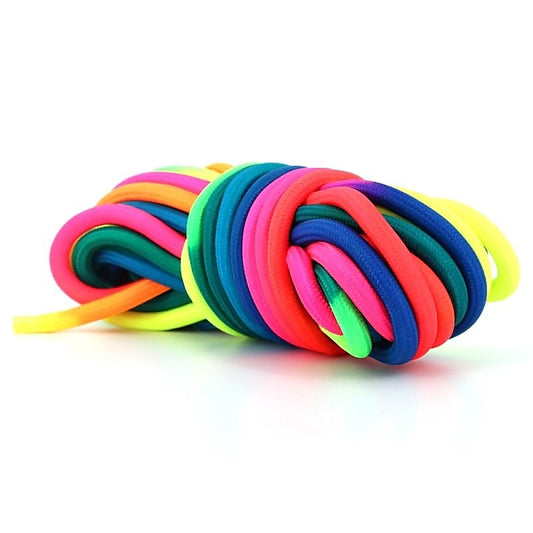
Professional Rainbow Bondage Rope by BDStyleBDStyle Rainbow Bondage Rope is a 30-foot nylon restraint rope designed for BDSM play. Constructed from soft, hypoallergenic, high-tensile nylon that resists fraying, it features vibrant multicolored bands for visual positioning guidance. The lightweight, flexible design enables secure knot-tying and intricate rope work for...
- $19.99
$24.99- $19.99
- Unit price
- per
-
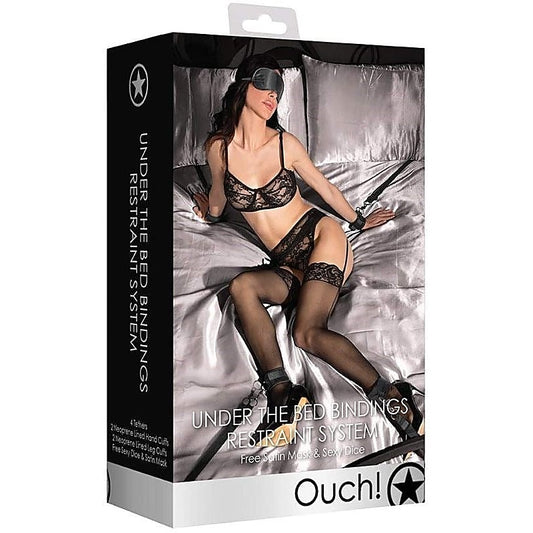
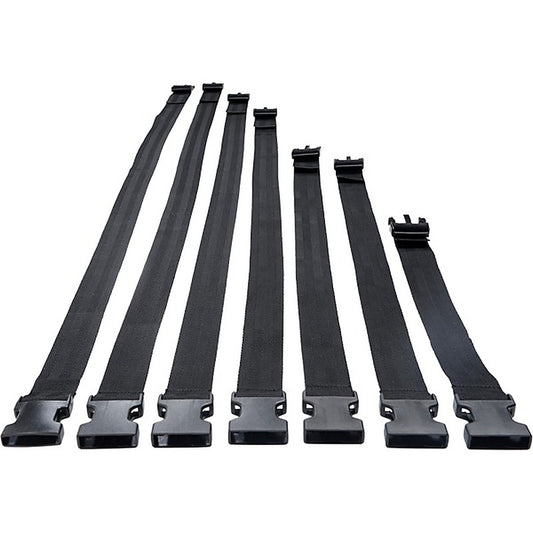
Discreet Nylon Bondage Restraints by Shots ToysOuch! Under the Bed Binding Restraint Kit is a nylon restraint system designed for bedroom bondage play. The set includes four adjustable tethers, each 1.5 meters long with quick-release buckles, allowing secure wrist and ankle restraint. Wide nylon straps prevent chafing during extended wear,...
- $49.99
$64.99- $49.99
- Unit price
- per
-
OUCH! Nylon Bondage Rope 10 M by Shots Toys - BlueShots Toys OUCH! Nylon Bondage Rope 10 M The Shots Toys OUCH! Nylon Bondage Rope is a versatile essential for bondage play ropes enthusiasts, offering 10 metres of silky smooth restraint for safe, creative exploration. Crafted from a 60% cotton and 40% polyester blend,...
- $14.99
$19.99- $14.99
- Unit price
- per
-
Master Series Rope Teddy Bear Key Chain by XR BrandsMaster Series Rope Teddy Bear Key Chain: A Playfully Provocative Accessory The Master Series Rope Teddy Bear Key Chain brings a mischievous twist to everyday accessories, combining innocent teddy bear charm with artful rope-inspired elements. This eye-catching keychain offers a humorous way to express...
- $34.99
$44.99- $34.99
- Unit price
- per
-
Master Series Subdued Full Body Bondage Strap SetMaster Series Subdued Full Body Bondage Strap Set Master Series Subdued Full Body Bondage Strap Set delivers comprehensive restraint capabilities through systematic engineering and thoughtful design. This complete system provides the versatility and reliability serious enthusiasts require for immersive restraint scenarios that prioritize both...
- $79.99
$109.99- $79.99
- Unit price
- per
-
Premium Restrain Me Bondage Rope Red by Chisa - RedBehave Restrain Me Bondage Rope Red - Professional-Grade Restraint Cordage The Behave Restrain Me Bondage Rope represents precision engineering in restraint cordage, offering ten meters of professional-grade functionality. Crafted from premium terylene, this sophisticated rope delivers optimal performance across various applications. The precise 0.7-centimeter...
- $14.99
$24.99- $14.99
- Unit price
- per
-
Behave BDSM Play Bing Love Rope 10 Metre by Chisa - BlackBehave BDSM Play Bing Love Rope 10 Metre - Professional-Grade Restraint Cordage The Behave BDSM Play Bing Love Rope represents precision engineering in restraint cordage, offering ten meters of professional-grade functionality. This sophisticated rope combines terylene and cotton in a refined weave that delivers...
- $14.99
$24.99- $14.99
- Unit price
- per
-
Rebellion Reign Hemp Rustic Bondage Play Rope by Lovetoy - TanRebellion Reign Hemp Rustic Bondage Play Rope The Rebellion Reign Hemp Rustic represents the pinnacle of traditional rope craftsmanship, combining authentic materials with precision engineering. This professionally crafted rope features natural hemp construction and custom metal components to deliver optimal performance while providing enhanced...
- $19.99
$24.99- $19.99
- Unit price
- per
-
Silky Soft Bondage Rope 5m Black by Shibari - BlackExperience Superior Comfort with Shibari Silky Soft Bondage Rope The Shibari Silky Soft Bondage Rope in classic black represents an advancement in comfort-focused design, offering 5 meters of premium polypropylene rope engineered for both security and satisfaction. This meticulously constructed rope delivers reliable performance...
- $17.99
$24.99- $17.99
- Unit price
- per
-
100% Natural Hemp Bondage Rope 5m by Shibari - BrownExperience Traditional Craftsmanship with Shibari Natural Hemp Rope The Shibari 100% Natural Hemp Bondage Rope represents the pinnacle of traditional rope craftsmanship, offering 5 meters of premium braided hemp designed for practitioners of rope artistry. This meticulously constructed rope delivers superior strength and reliability...
- $33.99
$44.99- $33.99
- Unit price
- per
-
Fetish Collection Soft Touch Bondage Rope 5m by Easytoys - BlackIntroducing Premium Comfort and Control The Fetish Collection Bondage Rope (5m) represents an ideal introduction to intimate restraint implements. This carefully crafted rope combines premium materials with thoughtful engineering to create an accessible yet sophisticated experience suitable for various experience levels. Precision Engineering and...
- $24.99
$29.99- $24.99
- Unit price
- per
-
Fetish Collection Multi Functional Bondage Rope by Easytoys - BlackProfessional-Grade Nylon Bondage Rope The Fetish Collection Bondage Rope delivers exceptional performance through premium materials and meticulous construction. This 10-meter implement combines durability with comfort, making it an excellent choice for practitioners of various experience levels seeking reliable equipment for their intimate experiences. Premium...
- $29.99
$34.99- $29.99
- Unit price
- per
-
Fetish Collection Bondage Hemp Rope by EasytoysExperience Premium Natural Hemp Bondage Rope Discover the artistry of rope bondage with our meticulously crafted Fetish Collection Bondage Hemp Rope. Designed for discerning enthusiasts who value both aesthetics and functionality, this premium natural hemp rope delivers an authentic experience that honors traditional Japanese...
- From $24.99
$29.99- From $24.99
- Unit price
- per
-
Kinbaku Bondage Rope Cotton 5m by Easytoys - BlackExperience Traditional Craftsmanship with Bedroom Fantasies Kinbaku Cotton Rope Discover the refined artistry of traditional Japanese rope craft with Bedroom Fantasies' Premium Cotton Rope. This meticulously crafted 5-meter length demonstrates exceptional attention to detail, featuring premium cotton construction for enhanced comfort and reliable performance....
- $24.99
$29.99- $24.99
- Unit price
- per
-
Premium Bondage Tape 20m Black by Easytoys - BlackExperience Precision Engineering with Bedroom Fantasies Professional Restraint Tape Discover advanced materials technology with Bedroom Fantasies' Premium PVC Tape in sophisticated black. This meticulously crafted accessory demonstrates exceptional attention to detail, featuring precise dimensions of 20 meters in length and 2 centimeters in width,...
- $19.99
$24.99- $19.99
- Unit price
- per
-
Whipsmart 30 Metre Bondage Tape with Bonus Eye Mask - BlackIntroducing the Whipsmart Professional Restraint Tape Set The Whipsmart 30 Metre Bondage Tape with Bonus Eye Mask represents a thoughtfully designed intimate accessory set that prioritizes safety and versatility. This comprehensive package includes an extensive length of professional-grade restraint tape complemented by an elegant...
- $39.99
$49.99- $39.99
- Unit price
- per
-
Sex Ties & Bondage Tape Red by Creative Conceptions - RedExperience Versatile Creativity with Creative Conceptions Sex Ties And Bondage Tape Discover the adaptable potential of Creative Conceptions Sex Ties And Bondage Tape in vibrant red. This professionally engineered self-adhesive tape provides 20 meters of versatile application possibilities while ensuring safety through carefully selected...
- $19.99
$24.99- $19.99
- Unit price
- per
-
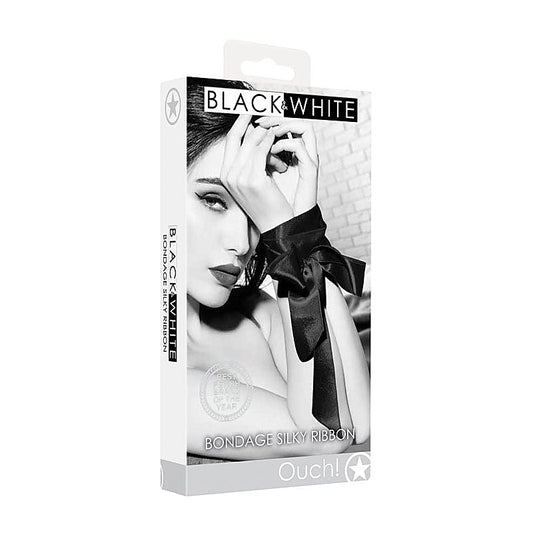
OUCH Black & White Bondage Silky Ribbon by Shots Toys - BlackIntroducing the OUCH! Black & White Bondage Silky Ribbon The OUCH! Black & White Bondage Silky Ribbon represents refined craftsmanship in intimate accessories. This premium silk implement combines elegant design with versatile functionality, offering a sophisticated addition to intimate encounters. Premium Material Selection Meticulously...
- $24.99
$29.99- $24.99
- Unit price
- per
VISIT XVIDEO FOR ADULT DVDS



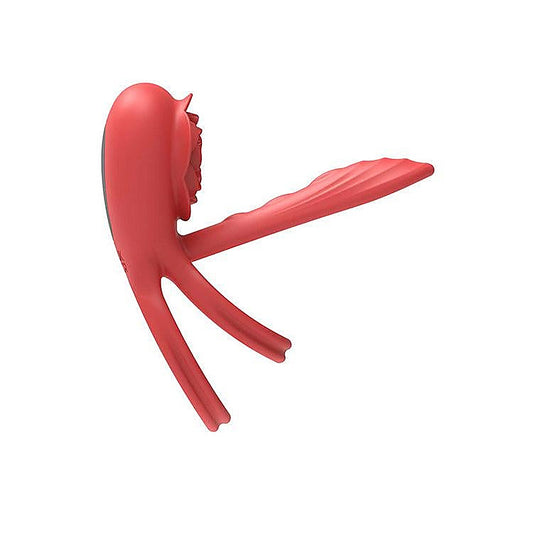
Vibrating Rose Girth Enhancer by Adam & Eve
- Red
Adam & Eve VIBRATING ROSE GIRTH ENHANCER is a dual-ring cock ring with clitoral stimulator designed for couples seeking enhanced performance and shared pleasure. Measuring 3 inches long with 7 vibration modes and a textured clitoral stimulator, it combines penile support with external stimulation....
- $99.99
$119.99- $99.99
- Unit price
- per
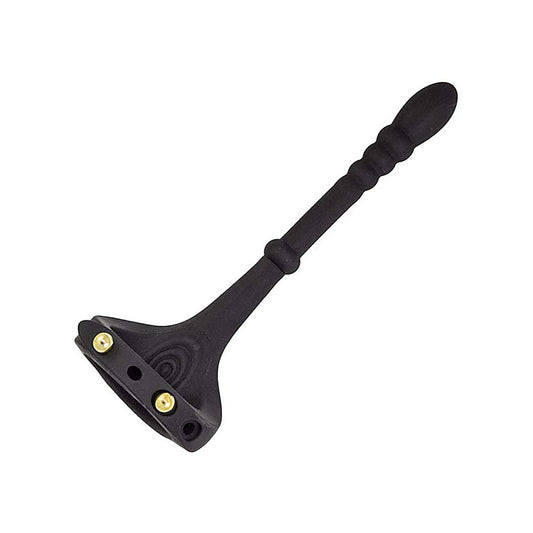
Magic Dual Pleasure Erection Enhancer Massager by Nasstoys
- Black
Nasstoys Magic Dual Pleasure Erection Enhancer Massager is a rechargeable cock ring with attached anal vibrator designed for prostate and perineum stimulation. Featuring 7 vibration functions, an adjustable silicone ring, and a bendable 6-inch insertable anal wand, it delivers targeted sensation during solo or...
- $69.99
$74.99- $69.99
- Unit price
- per
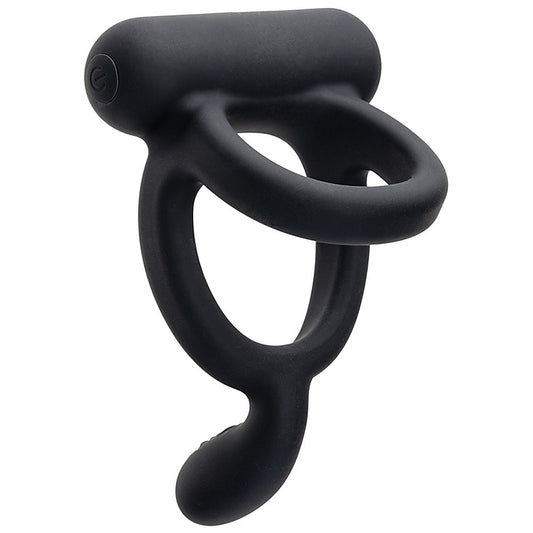
Closer Intimate Rechargeable Caress Penis Ring
- Black
CalExotics Closer Intimate Rechargeable Caress Penis Ring is a dual-motor cock ring with vibrating taint tickler designed for partnered penetration. The stretchy silicone construction fits shaft and scrotum diameters of 1.5 and 1.75 inches respectively, delivering 10 vibration speeds across dual motors. IPX7 waterproof...
- $64.99
$74.99- $64.99
- Unit price
- per
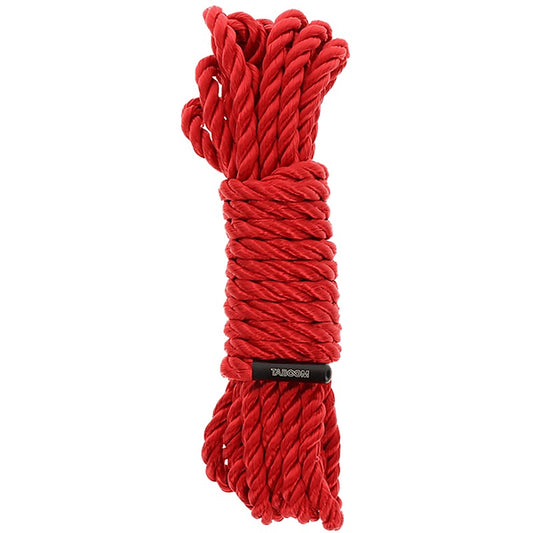

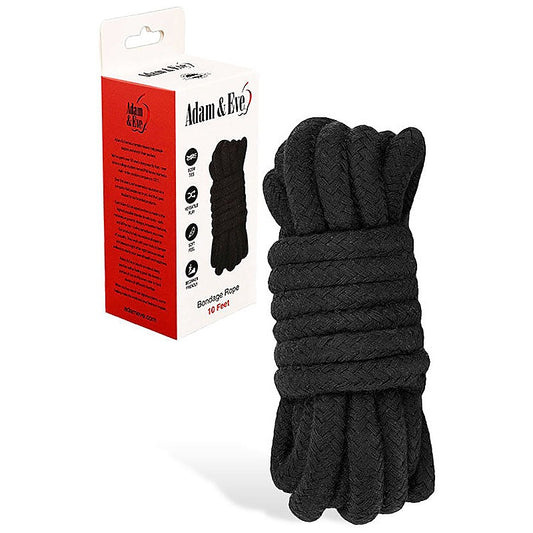

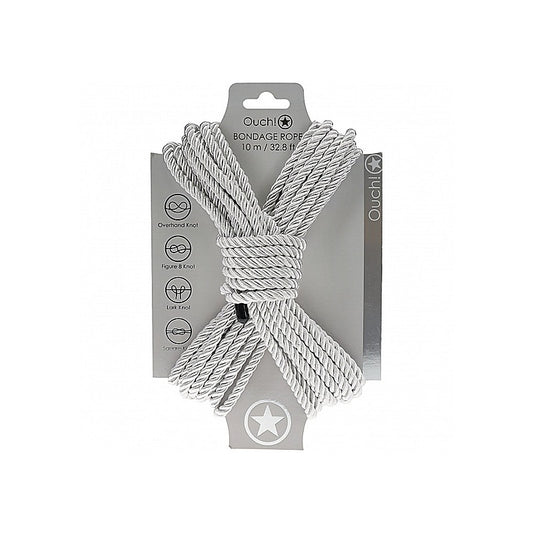


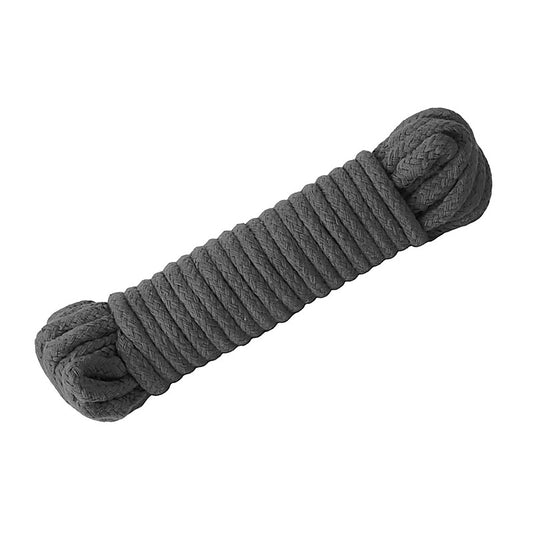

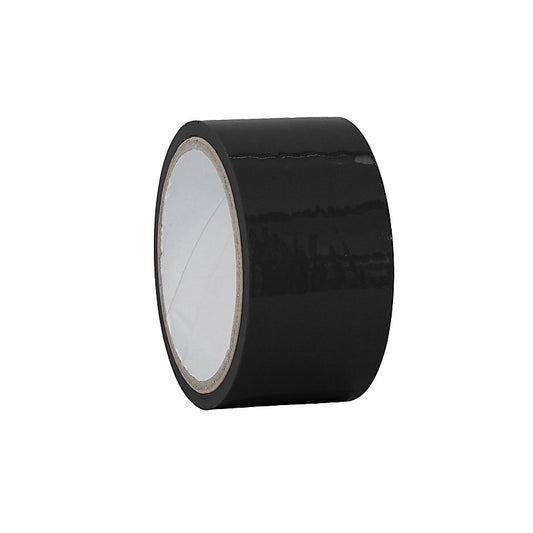

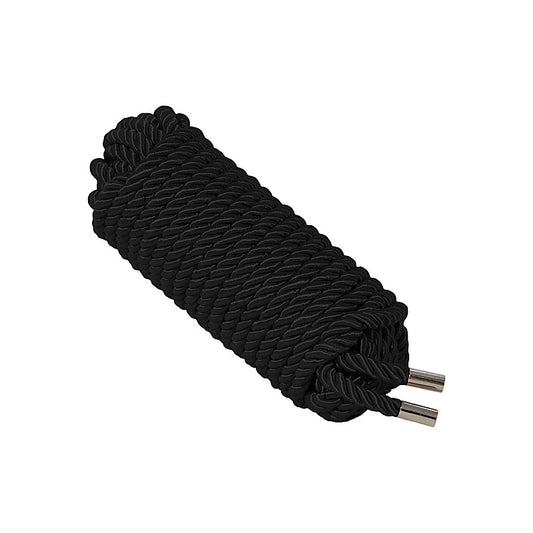

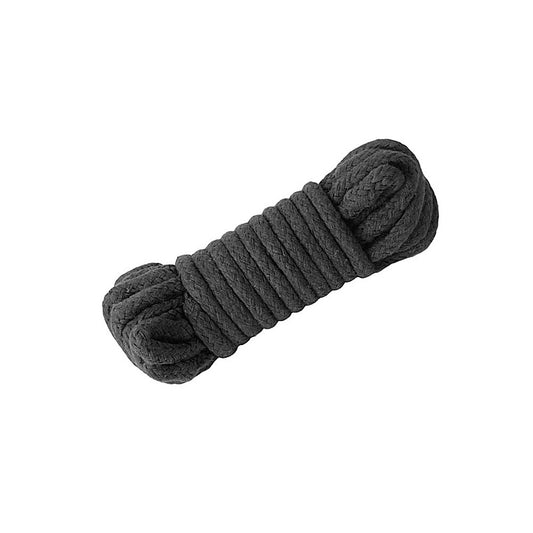

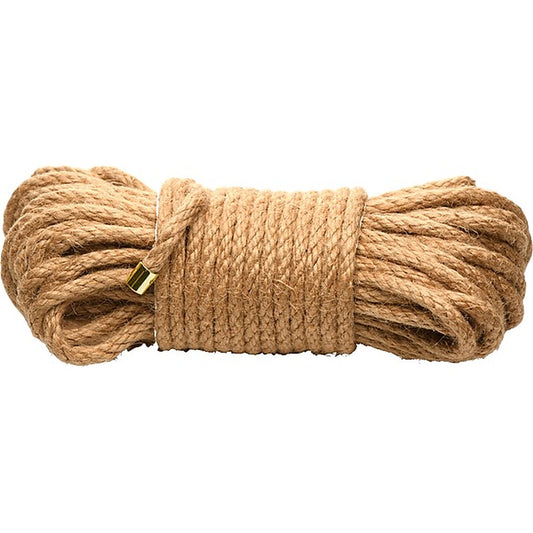

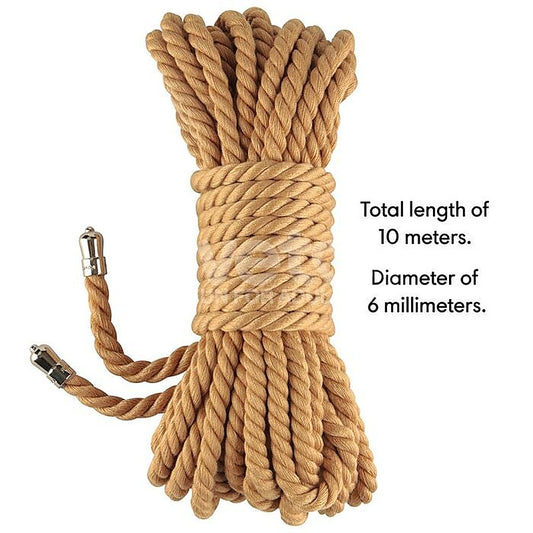

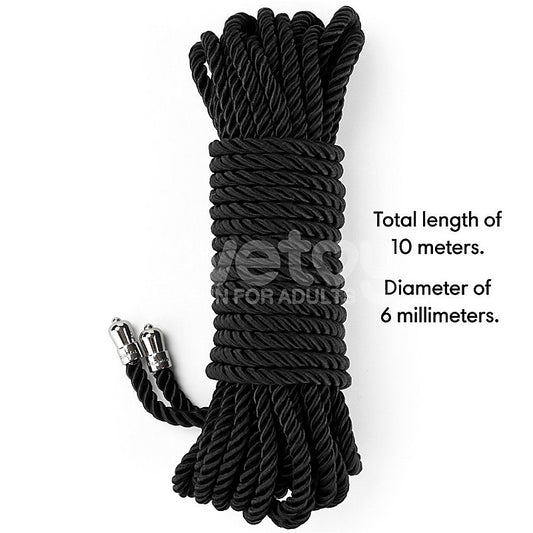

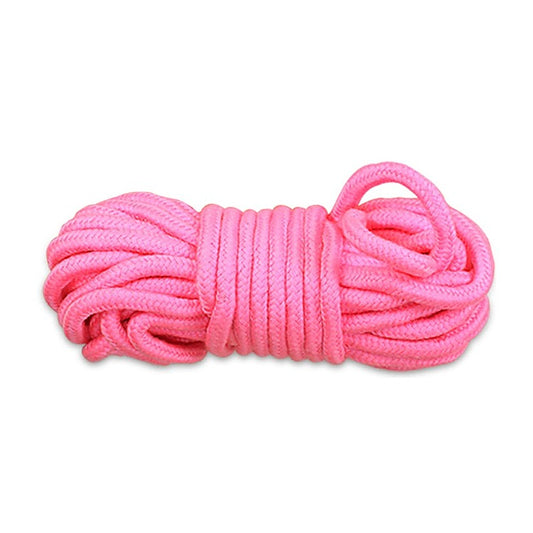

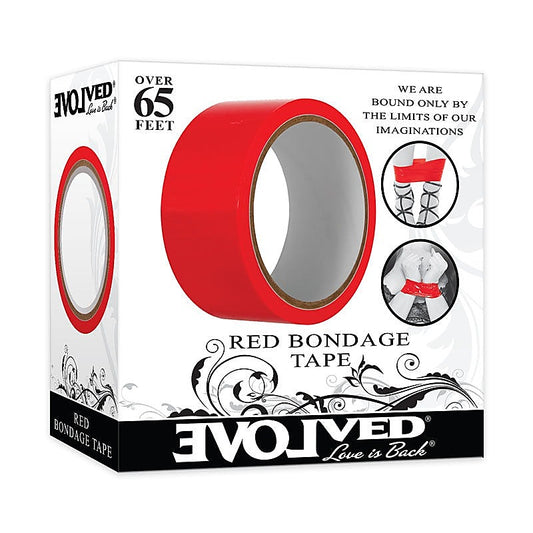

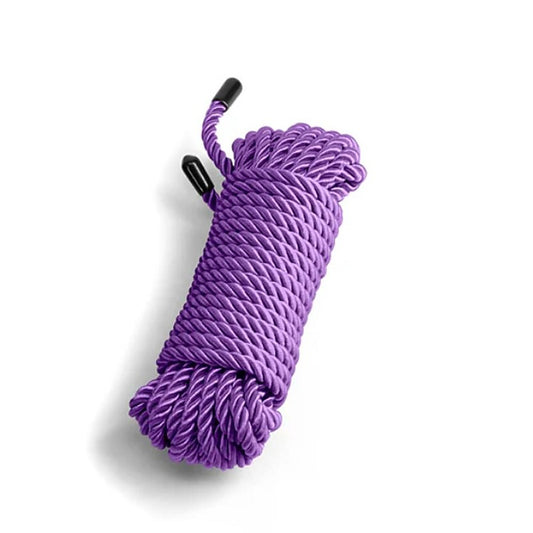





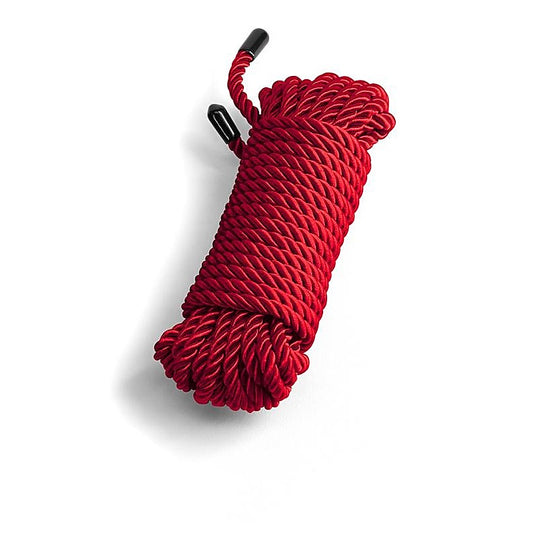

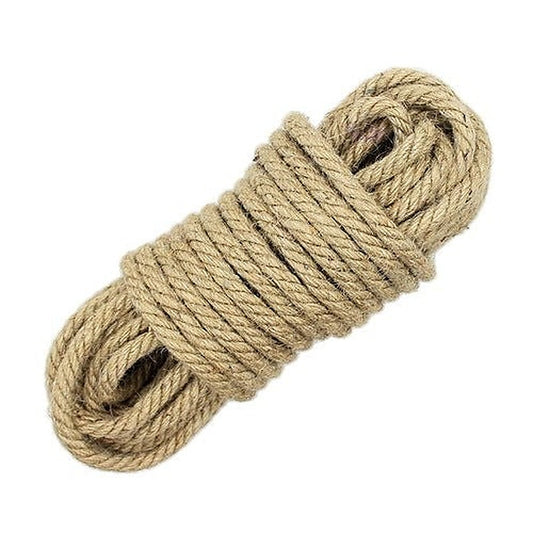



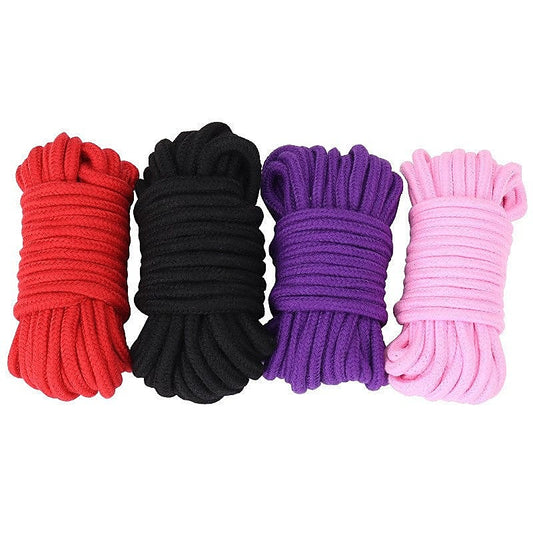

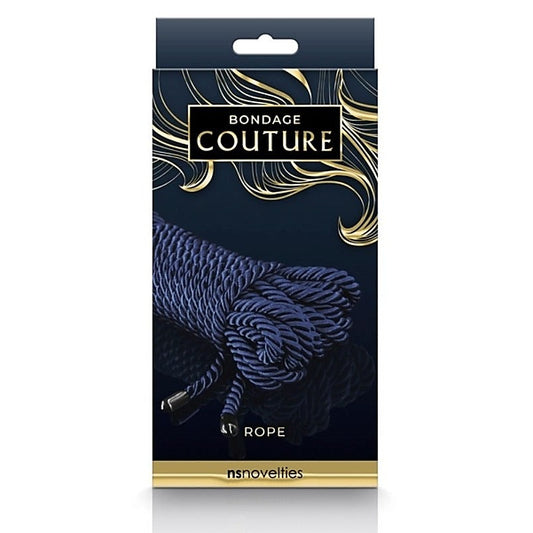

















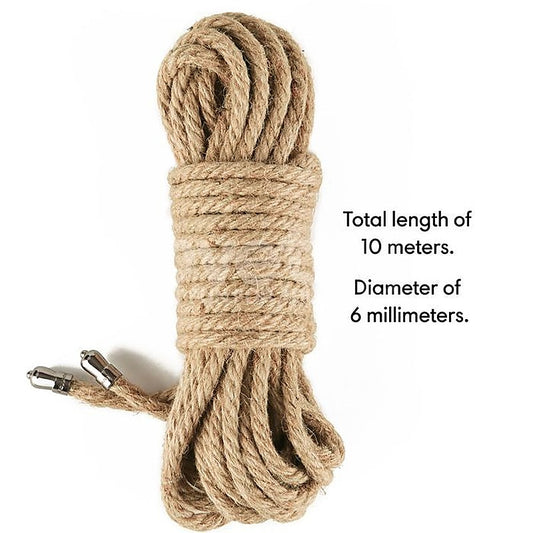


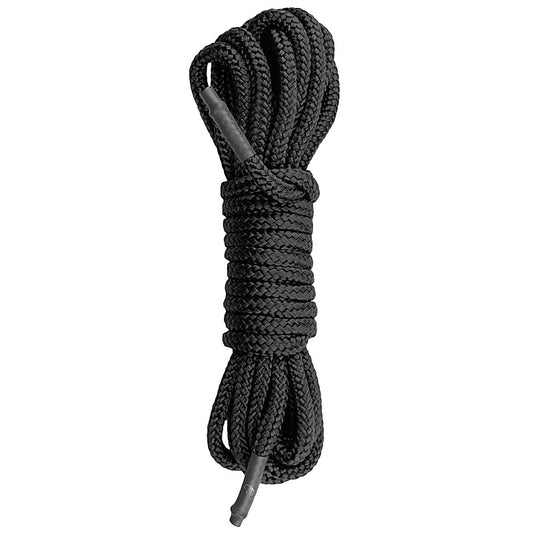

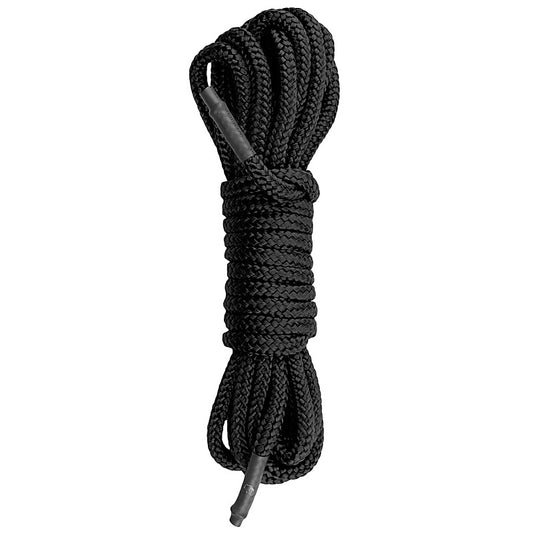

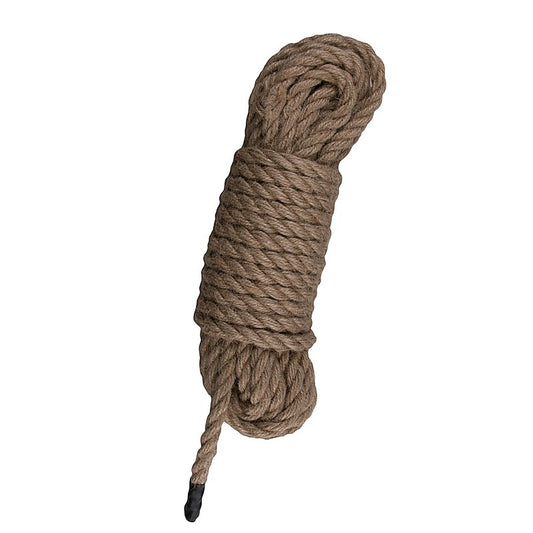

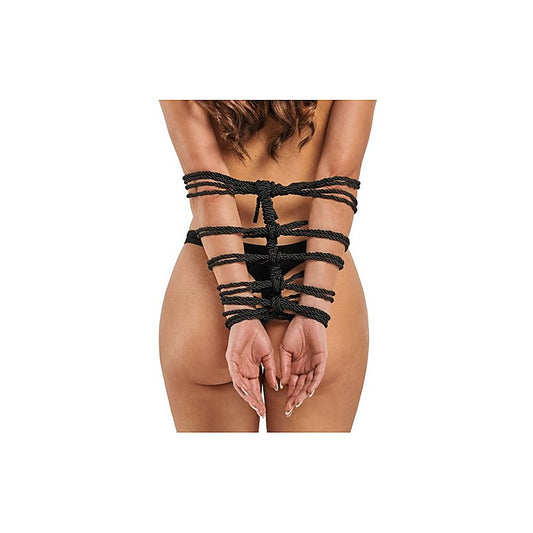

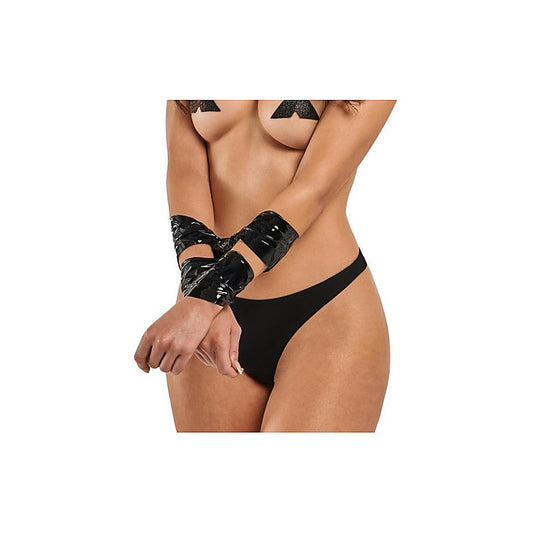

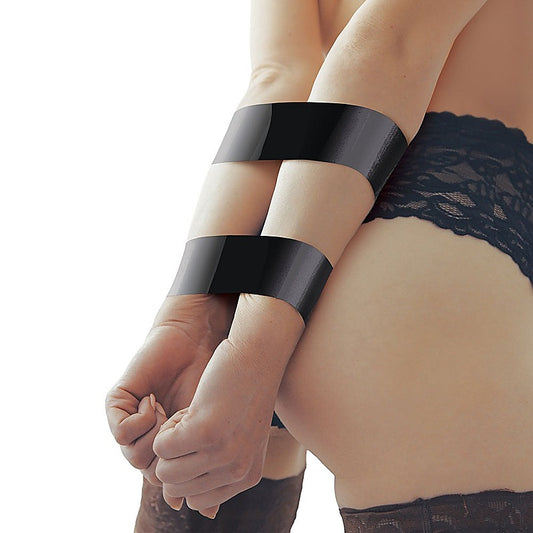

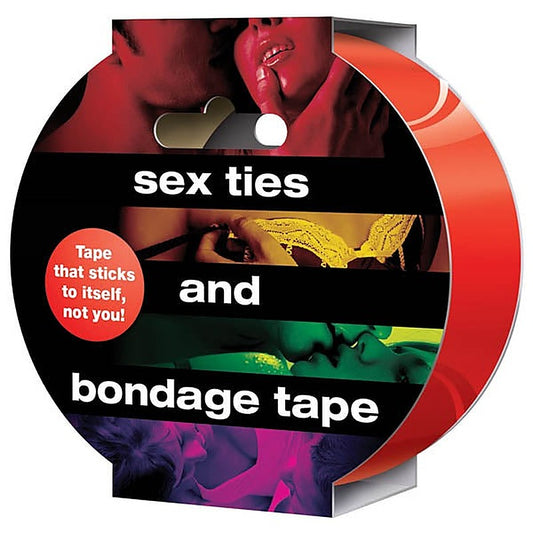


Bondage ropes are specialized cords designed for consensual restraint and rope play between adults. Made from skin-friendly materials like cotton, jute, hemp, and nylon, they offer different textures, strengths, and handling characteristics suited to various restraint styles and skill levels.
At a glance
|
🚚 Plain, discreet packaging • 🔒 Discreet billing • 🔁 Hygiene-conscious returns |
About Bondage Ropes
Bondage ropes are restraint cords made from materials chosen specifically for skin safety, grip, and aesthetic appeal. Unlike hardware store rope, they're manufactured to be smooth enough to wear comfortably against bare skin while offering reliable hold for ties and suspension. Materials range from soft, beginner-friendly cotton to textured jute used in traditional Shibari, durable hemp for suspension work, and slick synthetic nylon for advanced bondage.
These ropes suit anyone interested in rope play, from first-timers exploring basic wrist ties to experienced practitioners creating intricate patterns and suspension scenes. They're also popular in couples bondage and group play. If you're looking for other restraint options, Bondage Tape offers a quick, non-permanent alternative to rope.
What makes Bondage Ropes different
Bondage ropes stand out because material choice directly affects how a tie feels, looks, and handles. Natural fibres like jute provide authentic texture and grip for intricate artistic work, while synthetics like nylon allow smooth, fast knot-tying for quick restraint. Their strength and flexibility make them reliable for safe play, and many people enjoy the sensory and visual appeal of rope as much as the restraint itself. For those wanting a complete setup, Couples Bondage Kits often include rope alongside other restraint gear.
Types of Bondage Ropes
Each rope type suits different play styles and skill levels. Here's what to expect from the main options:
Cotton Ropes. Soft and flexible, cotton is gentle on skin and ideal for beginners. It's comfortable for simple wrist and ankle ties, easy to clean, and affordable.
Jute Ropes. Natural and lightweight with a rough texture, jute excels in traditional Shibari and artistic rope work. It grips well but may need conditioning to soften. Best for intermediate users exploring rope patterns.
Hemp Ropes. Durable and eco-friendly, hemp balances softness with firmness for reliable hold. It's grippy enough for beginners to tie secure knots and strong enough for suspension play. Many consider it the go-to for serious rope enthusiasts.
Nylon Ropes. Synthetic and slick, nylon allows smooth handling and quick knot-tying for fast setups. It's stronger than cotton, water-resistant, and suits advanced users creating complex bondage. Many complete Bondage Kits include nylon rope for this reason.
How they compare
| Rope Type | Material | Best for | Skill Level | Notes |
|---|---|---|---|---|
| Cotton Bondage Rope | 100% cotton | Simple restraint and wrist ties | Beginner | Soft, forgiving, affordable, easy cleanup |
| Jute Bondage Rope | Natural jute | Shibari and artistic patterns | Intermediate | Traditional texture, requires conditioning, excellent grip |
| Hemp Bondage Rope | Natural hemp | Suspension and all-purpose play | Beginner to Advanced | Durable, grippy, forgiving, versatile for most tie types |
| Nylon Bondage Rope | Synthetic nylon | Complex bondage and quick ties | Intermediate to Advanced | Slick handling, very strong, water-resistant, fast setup |
How to choose a bondage rope
Start by thinking about what kind of play appeals to you. If you're new to rope, cotton or hemp offers forgiving grip and comfort—you can tie a knot without it slipping, and it won't cut into skin if you hold it a bit too tight. If you're drawn to the visual and artistic side of rope work, jute delivers authentic Shibari texture, though it takes practice. For speed and advanced restraint, nylon is your choice.
Length matters too. Most basic ties need 7.6 to 9 metres; suspension and complex patterns require 15 metres or more. Consider where you'll play—nylon works anywhere, including wet environments, while natural fibres prefer indoor spaces. If you're unsure about rope, Bondage Handcuffs offer a simpler entry point to restraint play. Always agree on a safe word before you start, never leave someone restrained alone, and inspect rope for fraying or damage before use.
Tips from the Adultsmart team
Hard-won pointers from the Adultsmart team, alongside our panel of sexologists, educators, and adult-industry contributors. Meet our experts →
After years of helping customers with bondage ropes, we see the same beginner mistake: buying rope that's too short. A single 7.6-metre rope limits you to simple wrist or ankle ties. If you think you'll explore more complex patterns, start with at least 9 metres—ideally two ropes of that length so you can tie both wrists and ankles, or create longer patterns. You can always use less rope, but you can't add length mid-scene.
Material choice depends on how the rope feels in your hands and on skin. Many people assume natural fibres are always "better," but that's not true for everyone. Jute has a rough texture that some find uncomfortably scratchy; others love it. Nylon feels slick and modern; some find it clinical. Visit a shop if you can and feel the rope. Grip matters too—if you tie with damp hands or sweat easily, a rough-textured jute or hemp will hold better than slippery nylon.
Don't overlook rope conditioning. New jute can be stiff and scratchy; soaking it in water, then drying it flat, softens the fibres without weakening them. Hemp softens naturally with use. Cotton and nylon need no conditioning. Also, always have safety scissors or trauma shears nearby during play. Standard scissors are too slow if you need to cut rope quickly in an emergency. Test every knot and tie on yourself first—never assume a tie is safe until you've felt how it sits on your own skin.
| Please read — safety first. Charge only with the supplied cable and keep the charging port dry unless the sex toy is waterproof-rated. Pair and update through the official app, and switch the device off fully between sessions so the motor and battery aren't left under load. This information is general in nature only and is not medical advice; it does not account for your individual circumstances. If you have a relevant health condition or experience any persistent discomfort, discontinue use and seek advice from a qualified medical professional. |
Care and cleaning
Most bondage ropes are machine-washable on a gentle cycle with cool water. Dry them flat or hang them loosely to prevent mildew and tangling. Natural fibres like jute and hemp benefit from air-drying away from direct heat or sunlight. Nylon dries quickly and can handle a low dryer setting. Check rope regularly for fraying, stains, or damage. Store in a cool, dry place away from sharp objects. If rope shows wear or develops rough spots that catch skin, retire it safely.
Learn more
Rope play offers endless possibilities, from simple restraint to elaborate artistic patterns and suspension. For a deeper look at rope dynamics in intimate scenarios, read Cuckold In Ropes for insights into how rope features in different relationship dynamics and role-play.
Why shop Bondage Ropes at Adultsmart
Ready to find the right one for how you play? Adultsmart stocks a full range of bondage ropes in every material and length, so you can feel confident choosing exactly what suits your style and skill level. We offer discreet packaging and billing on all orders. Australia's adult lifestyle specialists, helping you buy with confidence.
Bondage Ropes FAQ
What are bondage ropes, and how are they used?
Bondage ropes are a type of restraint used in BDSM to restrict a partner's movement or create intricate ties for aesthetic or functional purposes. Typically made from materials like cotton, jute, hemp, or nylon, bondage ropes are used to secure limbs, bind the body, or suspend a person in different positions. They allow for creative expression through rope art (also known as Shibari or Kinbaku), or they can be used simply for practical restraint during play. Proper technique, safety precautions, and communication are important when using bondage ropes to ensure a pleasurable and safe experience.
How do I introduce bondage ropes into my relationship?
Introducing bondage ropes into a relationship starts with open and honest communication. Begin by discussing your curiosity or desire to explore bondage with your partner and ensure that both of you are comfortable with the idea. It's important to establish boundaries and consent before trying anything new. Start with simple, non-intimidating ties like a single-column tie for the wrists or ankles, and gradually explore more intricate ties as your confidence grows. Keep the experience light and fun, and always check in with each other during play. Building trust and ensuring mutual enjoyment will help create a positive introduction to bondage ropes in your relationship.
What types of bondage ropes are available?
There are several types of bondage ropes, each offering different textures, strengths, and flexibility. Cotton ropes are soft, flexible, and great for beginners due to their comfortable feel. Jute ropes are natural, lightweight, and ideal for traditional Japanese Shibari ties but can feel rougher against the skin. Hemp ropes are durable, eco-friendly, and provide a balance between softness and firmness, making them suitable for both beginners and advanced users. Nylon ropes are synthetic and slick, offering smooth handling and easy knot tying, often favored for advanced users or intricate rope play. The choice depends on your experience level and the type of sensation you prefer.
Are bondage ropes safe to use for beginners?
Yes, bondage ropes can be safe for beginners when used correctly and with proper precautions. Beginners should start with soft ropes, like cotton or nylon, which are less likely to cause skin irritation. It’s essential to learn basic knots and techniques to ensure that the ropes are secure but not too tight, as this could restrict circulation or cause injury. Make sure to avoid tying ropes around sensitive areas like the neck, and always have safety tools, such as blunt-tipped scissors, on hand for quick release if necessary. Clear communication and checking in with your partner are key to a safe and enjoyable experience.
What length and thickness of rope should I use for bondage?
The ideal length and thickness of rope for bondage depend on the type of tie or restraint you plan to do. For general use, 30 to 50 feet of rope is commonly recommended, allowing enough length for full-body harnesses or complex ties. Shorter lengths, around 10 to 15 feet, are great for wrist or ankle restraints. In terms of thickness, a 6mm (1/4 inch) diameter rope is a standard size that provides a good balance between comfort and strength, suitable for most types of bondage. Thicker ropes (8mm or more) offer extra comfort and stability, especially for suspension or extended wear, while thinner ropes (4mm or less) are better for decorative or intricate ties.
How do I choose the right material for bondage ropes?
The right material for bondage ropes depends on your experience level, comfort preferences, and the type of play you’re interested in. Cotton is soft and gentle on the skin, making it a great choice for beginners. Jute and hemp are natural fibers that are stronger and more textured, offering more control during play and ideal for those who enjoy a traditional Shibari feel. Nylon is slick and synthetic, offering smooth movement and easier untangling, which can be helpful for more advanced users or intricate bondage work. Each material offers a unique experience, so it’s worth trying different types to find the one that best suits your needs.
How do I clean and care for my bondage ropes?
Caring for bondage ropes depends on the material they are made from. Cotton and nylon ropes can usually be washed by hand in mild soap and warm water, then air-dried. Be careful not to use a washing machine or dryer, as this can damage the rope’s integrity. Jute and hemp ropes require more delicate care; they should be hand-washed gently, if at all, and dried thoroughly to prevent mold. Some natural ropes benefit from oiling to keep them supple and prevent fraying. Regularly check for signs of wear and tear, especially at high-stress points, to ensure your ropes remain safe for use.
What are the most common types of bondage ties I can do with ropes?
Several popular bondage ties can be performed with ropes, each serving different purposes or levels of restriction. The single-column tie is a simple wrap used to restrain wrists or ankles, while the double-column tie binds two limbs together, like wrists to ankles. The chest harness or karada is a decorative full-body harness often seen in Shibari that provides both visual and functional appeal. For more advanced users, the frogtie bends the legs at the knee, and suspension ties allow for partial or full body suspension. Each tie varies in complexity, and it’s important to learn the correct techniques to ensure safety and comfort.
Can I use bondage ropes for suspension play?
Yes, bondage ropes can be used for suspension play, but it is an advanced practice that requires significant knowledge of rope tying, safety, and proper technique. Suspension puts more strain on both the rope and the person being suspended, so it’s crucial to use strong, durable materials like jute or hemp and to tie secure, weight-bearing knots. It's essential to understand how to distribute weight evenly and to check circulation regularly. Beginners should avoid suspension until they have gained experience with ground-based bondage and learned from knowledgeable sources or instructors. Always prioritize safety by having someone experienced supervise the scene.
What are the safety precautions I should take when using bondage ropes?
Safety is paramount when using bondage ropes, regardless of experience level. Always make sure that the ropes are not too tight, especially around sensitive areas like wrists, ankles, or joints, to avoid cutting off circulation. You should be able to slide two fingers between the rope and the skin to ensure it's not too constricting. Keep blunt-tipped scissors nearby for quick release in case of an emergency, and regularly check in with your partner to ensure their comfort. Avoid ties around the neck or placing too much pressure on areas with sensitive nerves. Communication and trust are essential components of safe bondage play.
Recently Viewed Products
Example product title
- $19.99
- $19.99
- Unit price
- per
Example product title
- $19.99
- $19.99
- Unit price
- per
Example product title
- $19.99
- $19.99
- Unit price
- per
Example product title
- $19.99
- $19.99
- Unit price
- per
Example product title
- $19.99
- $19.99
- Unit price
- per
Example product title
- $19.99
- $19.99
- Unit price
- per
Example product title
- $19.99
- $19.99
- Unit price
- per
Example product title
- $19.99
- $19.99
- Unit price
- per
Example product title
- $19.99
- $19.99
- Unit price
- per
Example product title
- $19.99
- $19.99
- Unit price
- per
Why Shop With Adultsmart?
- Choosing a selection results in a full page refresh.