



-
XR Brands Master Series All Access Bed Restraint Kit - BlackXR Brands Master Series All Access Bed Restraint Kit is a bondage restraint system featuring vegan leather cuffs and adjustable nylon straps designed to secure partners to most bed sizes. The wrist and ankle cuffs adjust from 15.0–28.2 cm in circumference, while mattress straps...
- $114.99
$124.99- $114.99
- Unit price
- per
-
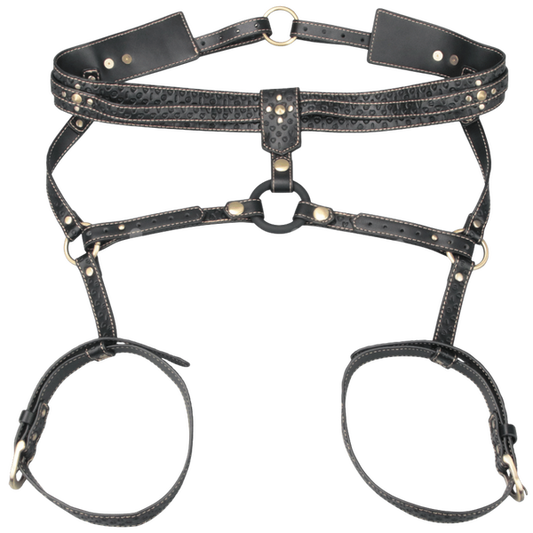
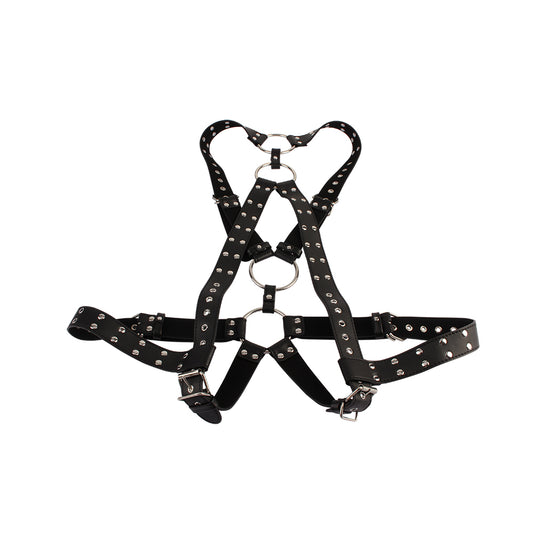
Lovetoy Faux Leather Full Body Bondage HarnessLovetoy Faux Leather Full Body Bondage Harness is a wearable PU harness designed for power exchange and strap-on compatibility. Featuring eight metal O-rings and five adjustable buckles, it fits underbust circumferences from 28 to 37 inches with a detachable 1.6-inch silicone O-ring for dildo...
- $184.99
$189.99- $184.99
- Unit price
- per
-
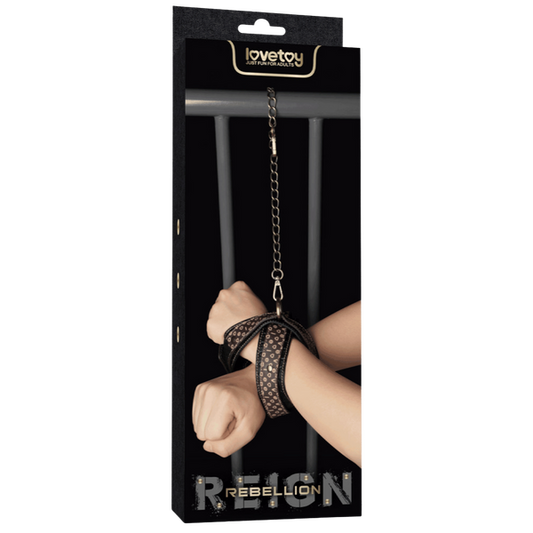
Lovetoy Crossed Shaped Design Fetish HandcuffsLovetoy Crossed Shaped Design Fetish Handcuffs is a premium PU restraint set featuring cross-shaped wrist cuffs with velcro adjustment (12–15.5 inches circumference) and a 14.5-inch bronze chain. The cuffs measure 18 inches long by 1.57 inches wide with embedded bronze hardware. Designed for bondage...
- $59.99
$69.99- $59.99
- Unit price
- per
-
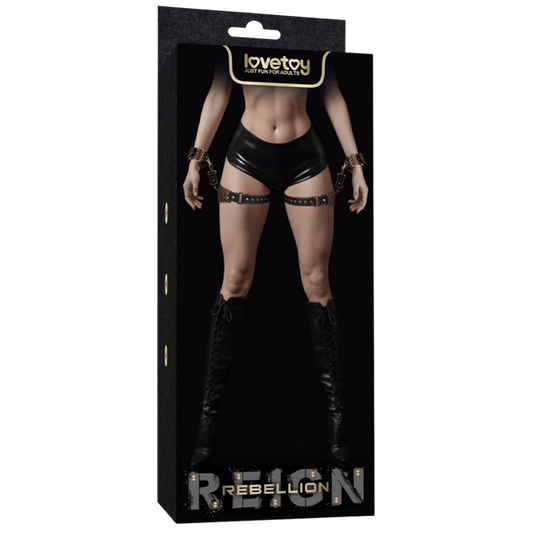
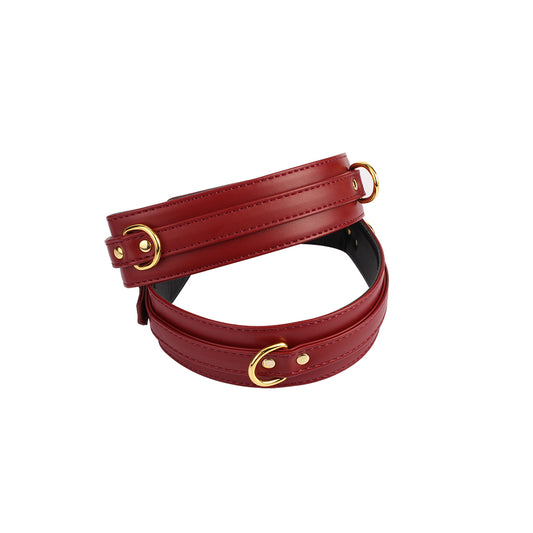
Lovetoy Premium PU Leather BDSM Thigh Cuffs SetLovetoy Premium PU Leather BDSM Thigh Cuffs Set is a restraint system featuring adjustable thigh and wrist cuffs with metal buckles. The thigh cuffs expand from 16 to 27 inches in circumference, while handcuffs adjust from 7.8 to 10 inches. Made from premium PU...
- $99.99
$109.99- $99.99
- Unit price
- per
-
Lovetoy Rebellion Reign Bondage Collar and LeashLovetoy Rebellion Reign is a bondage collar and leash set featuring PU leather construction with a distinctive shirt collar design. The adjustable collar fits 15.5 to 18 inches with buckle fastening, paired with a 49-inch metal chain attached to a faux leather handle. This...
- $69.99
$74.99- $69.99
- Unit price
- per
-
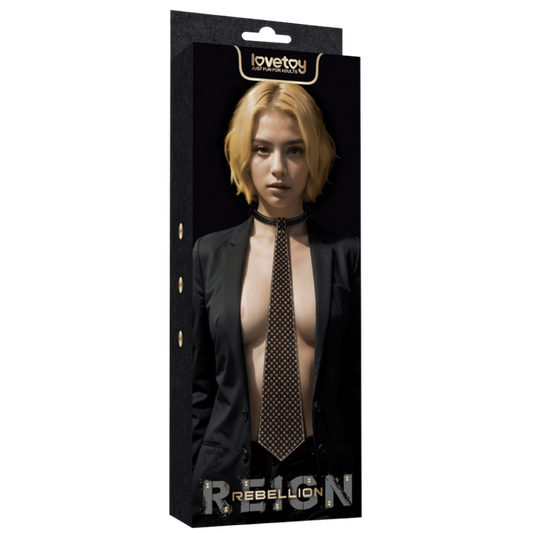
Lovetoy Bondage Tie Collar With Adjustable StrapLovetoy Rebellion Reign Tie Collar is a bondage neck restraint with adjustable PU strap and detachable tie. The collar adjusts from 15.5 to 17.5 inches with metal buckle fastening, while the accompanying tie measures 19.5 inches long with variable width from 0.8 to 3.8...
- $49.99
$59.99- $49.99
- Unit price
- per
-
Chisa Soft and Sturdy Wrist to Thigh Cuff Set - BlackChisa Soft and Sturdy Wrist to Thigh Cuff Set is a four-piece PU restraint system designed for bondage exploration. Each cuff measures approximately 3 inches wide with adjustable velcro closures fitting wrists and thighs. The soft PU material provides comfort during extended wear while...
- $69.99
$79.99- $69.99
- Unit price
- per
-
Chisa Take Me Harder Neck and Shoulder RestraintChisa Take Me Harder Neck and Shoulder Restraint is an adjustable bondage restraint designed for neck and shoulder positioning during partner play. Featuring padded contact points and adjustable straps, it restricts arm and shoulder movement while distributing pressure across broader areas than wrist cuffs...
- $64.99
$74.99- $64.99
- Unit price
- per
-
Chisa Adjustable Bondage Collar Body RestraintChisa Adjustable Bondage Collar Body Restraint is a multi-point restraint system featuring adjustable straps and easy-grip handles. The neoprene construction measures 65cm in circumference with padded contact points and secure buckle closures. It distributes pressure across the torso and shoulders, making it suited for...
- $59.99
$69.99- $59.99
- Unit price
- per
-
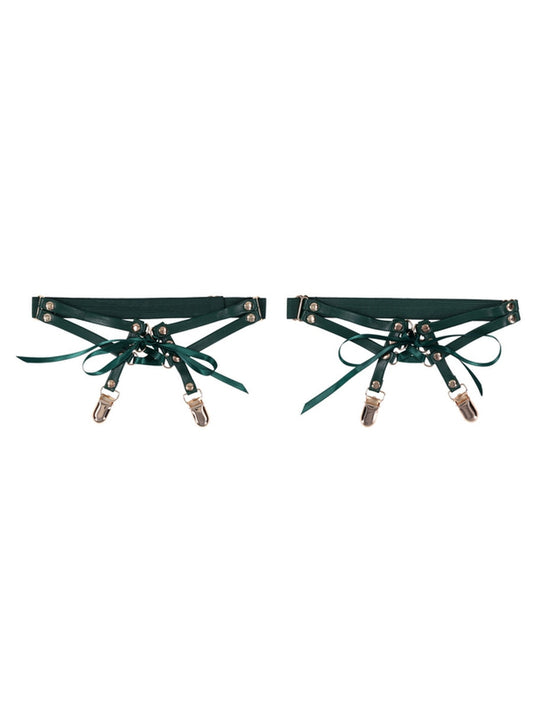
Sportsheets Indica Laced Up Bondage Garters - EmeraldSportsheets Indica Laced Up Bondage Garters The Sportsheets Indica Laced Up Bondage Garters transform functional hosiery support into seductive statement pieces with their corset-inspired laced-up styling. These aren't basic utilitarian garter straps—the emerald green faux leather combined with silky green satin lacing creates bondage-aesthetic...
- $49.99
$59.99- $49.99
- Unit price
- per
-
BDStyle One Shoulder Fetish Play Chest HarnessBDStyle One Shoulder Fetish Play Chest Harness This minimalist asymmetrical chest harness delivers bold bondage aesthetics through strategic single-shoulder strapping that creates visual tension and intentional imbalance. The streamlined design emphasizes body contours through geometric strap placement rather than complex coverage, making this ideal...
- $22.99
$24.99- $22.99
- Unit price
- per
-
BDStyle Mens Horned Shoulder Armor Fetish WearBDStyle Men's Horned Shoulder Armor Fetish Wear This dramatic horned shoulder armor creates commanding presence through bold sculptural design that channels warrior aesthetics and fantasy creature intimidation. The horn detailing rises prominently from the shoulder plate, creating dimensional silhouette that photographs strikingly from every...
- $59.99
$64.99- $59.99
- Unit price
- per
-
BDStyle Half-body Armbinder Straight Jacket for Female - BlackBDStyle Half-body Armbinder Straight Jacket for Female This female-proportioned half-body restraint delivers comprehensive upper body immobilization through strategic strapping that binds arms behind the back while wrapping the torso securely. The half-body design provides focused restriction from shoulders through waist without full-length coverage, creating...
- $84.99
$89.99- $84.99
- Unit price
- per
-
BDStyle Gothic Shrug Rustic Shoulder Wrap Choker CapeBDStyle Gothic Shrug Rustic Shoulder Wrap Choker Cape This dramatic shoulder wrap combines gothic romance with practical layering through integrated choker and cape elements that transform simple outfits into theatrical statements. The high-neck choker component creates elegant collar presentation while the shoulder cape drapes...
- $74.99
$79.99- $74.99
- Unit price
- per
-
BDStyle Unisex Brown PU Leather Vintage ArmorBDStyle Unisex Brown PU Leather Vintage Armor This vintage-inspired armor piece brings historical warrior aesthetics into modern alternative fashion through carefully crafted faux leather construction and strategic stitching details. The brown coloring creates authentic aged appearance that photographs beautifully whether you're attending Renaissance faires,...
- $64.99
$69.99- $64.99
- Unit price
- per
-
BDStyle Waist Belt Bondage Chest Harness StrapBDStyle Waist Belt Bondage Chest Harness Strap This versatile steampunk accessory transforms between chest harness and waist belt configurations, providing costume flexibility across multiple alternative fashion contexts. The faux leather construction with metal gear embellishments creates authentic Victorian industrial aesthetics while the integrated LED...
- $64.99
$69.99- $64.99
- Unit price
- per
-
BDStyle One Shoulder Strap Body Chest Half Harness BeltBDStyle One Shoulder Strap Body Chest Half Harness Belt This asymmetrical chest harness breaks conventional symmetry through bold one-shoulder design that creates dynamic visual interest and movement flow. The half-harness configuration wraps strategically around the torso and chest while leaving one shoulder completely bare,...
- $34.99
$39.99- $34.99
- Unit price
- per
-
BDStyle Chest Harness Punk Costume Straps with O RingsBDStyle Chest Harness Punk Costume Straps with O-Rings This statement chest harness merges punk rebellion aesthetics with functional bondage hardware through bold strap configuration and prominent metal O-ring placement. The multiple strap design creates geometric patterns across the chest and torso that emphasize natural...
- $34.99
$39.99- $34.99
- Unit price
- per
-
BDStyle Leather Chain Bra & G-String Bondage ClubwearBDStyle Leather Chain Bra & G-String Bondage Clubwear This provocative two-piece set transforms intimate wear into bold statement fashion through strategic faux leather strapping and dramatic chain tassel detailing. The halter neck bra features belt-style buckle fastenings at chest and waist that enable precise...
- $69.99
$74.99- $69.99
- Unit price
- per
-
BDStyle Zena Open Breast Fetish Body HarnessBDStyle Zena Open Breast Fetish Body Harness This open-breast body harness creates bold statement aesthetics through strategic strapping that frames rather than conceals, emphasizing natural curves with confident presentation. The decorative chain scallop detailing across the chest adds dimensional texture and movement that catches...
- $39.99
$44.99- $39.99
- Unit price
- per
-
BDStyle Womens Leather Sexy Lingerie With Iron ChainBDStyle Women's Leather Sexy Lingerie With Iron Chain This harness-style lingerie set merges edgy faux leather strapping with gleaming iron chain accents to create bold fetish aesthetics suitable for bedroom adventures or alternative fashion statements. The black PU leather provides structured framework that emphasizes...
- $44.99
$49.99- $44.99
- Unit price
- per
-
BDStyle Metal Chain Waterfall Style Top and Bottom SetBDStyle Metal Chain Waterfall Style Top and Bottom Set This striking metal chain ensemble transforms the body into living art through cascading waterfall-style chains that drape across skin creating dimensional texture and sensory weight. The two-piece set includes matching top and bottom components that...
- $34.99
$39.99- $34.99
- Unit price
- per
-
BDStyle Small Premium Leather Straight Jacket Strict Restraint - WhiteBDStyle Small Premium Leather Straight Jacket Strict Restraint This classic straitjacket design delivers complete upper body immobilization through multiple belt-style straps that secure arms in the traditional crossed-chest position. Crafted from soft faux leather that balances durability with comfortable wear, this represents serious bondage...
- $114.99
$124.99- $114.99
- Unit price
- per
-
BDStyle Sex Position Master with Restraint Cuffs - BlackBDStyle Sex Position Master with Restraint Cuffs This comprehensive position support system merges ergonomic comfort with effective restraint functionality, allowing couples to maintain challenging positions without muscle fatigue or discomfort ending sessions prematurely. The padded faux fur neck and back support pillow provides cushioned...
- $54.99
$59.99- $54.99
- Unit price
- per
-
BDStyle Tie In Wrist Muff Cuffs Bondage RestraintBDStyle Tie In Wrist Muff Cuffs Bondage Restraint These minimalist wrist cuffs deliver effective restraint without overwhelming aesthetic complexity, making them ideal for both beginners exploring bondage and fetish toys and experienced practitioners seeking streamlined equipment. The black faux leather construction provides classic BDSM...
- $54.99
$59.99- $54.99
- Unit price
- per
-
Kinky Female Mermaid Bondage Half Body Leg Binder - PinkKinky Female Mermaid Bondage Half Body Leg Binder Transform your intimate encounters into an enchanting underwater fantasy with the Kinky Female Mermaid Bondage Half Body Leg Binder. This meticulously crafted restraint system combines mythical allure with practical design, creating an immersive experience for those...
- $71.99
$79.99- $71.99
- Unit price
- per
-
BDStyle Luxury Bondage Wrap - Indulge in Captivating Sensory ExplorationProduct Description of Full Body Bondage Wrap Elevate your bondage experience with the BD Style Full Body Bondage Wrap. This sleek and versatile restraint system envelops your entire body, providing immersive sensory deprivation and complete immobilization. Crafted from high-quality faux leather, the wrap offers...
- $62.99
$69.99- $62.99
- Unit price
- per
-
Fantasy Body BDSM Play Restraint HarnessFantasy Body BDSM Play Restraint Harness - Premium Adjustable Restraint System The Fantasy Body BDSM Play Restraint Harness represents a sophisticated approach to intimate exploration, crafted for those who value versatility and safety in their sensual adventures. This thoughtfully designed harness system combines adjustability,...
- $24.99
$29.99- $24.99
- Unit price
- per
-
Luxurious DirtyGirl Nylon Collar Restraints for Sensual Bliss - BlackProduct Description of Dirty Girl Collar Neck and Handcuff Restraints Elevate your intimate encounters with the Dirty Girl Collar Neck and Handcuff Restraints. These versatile restraints offer a thrilling way to explore new sensations and heighten pleasure. Crafted with your comfort in mind, the...
- $44.99
$54.99- $44.99
- Unit price
- per
-
BDStyle's Thrilling Arm Binder Glove Restraint - Secure and StylishProduct Description of Arm Binder Glove Restraint Elevate your bondage experience with the Arm Binder Glove Restraint from BD Style. This innovative restraint system combines the secure hold of an arm binder with the versatility of glove-like cuffs, allowing you to explore new realms...
- $24.99
$29.99- $24.99
- Unit price
- per
-
XR Brands Master Series Punished Balls To Wrist Humbler - BlackXR Brands Master Series Punished Balls To Wrist Humbler is a wooden and metal restraint device designed for BDSM control play. Measuring 52.1 cm overall with wrist holes of 6.6 cm diameter and a scrotum opening of 6.4 cm by 2.3 cm, it secures...
- $169.99
$179.99- $169.99
- Unit price
- per
-
XR Brands Master Series Trapped Wrist and Ankle Stocks - BlackXR Brands Master Series Trapped Wrist and Ankle Stocks is a wooden bondage stockade designed for restraining both wrists and ankles simultaneously. Measuring 61 cm long with 6.1 cm wrist openings and 8.4 cm ankle openings, it features black wood construction with silver-tone metal...
- $179.99
$199.99- $179.99
- Unit price
- per
-
BDStyle Fetish Full Body Harness With Double CuffsBDStyle Fetish Full Body Harness With Double Cuffs This comprehensive restraint system integrates full-body strapping with detachable wrist or ankle cuffs, creating unified equipment that eliminates the need for multiple separate pieces during scenes. The strategic strap placement creates geometric patterns across the torso,...
- $69.99
$74.99- $69.99
- Unit price
- per
-
BDStyle Bolero Straitjacket for Bondage Play - BlackBDStyle Bolero Straitjacket for Bondage Play This cropped straitjacket design merges functional restraint with aesthetic exposure through its bolero-length construction that leaves the chest and back visible while fully immobilizing arms. Crafted from genuine garment leather with latigo leather belting and nickel-plated hardware, this...
- From $59.99
$64.99- From $59.99
- Unit price
- per
-
BDStyle Ultimate Lockdown Leather CincherBDStyle Ultimate Lockdown Leather Cincher The BDStyle Ultimate Lockdown Leather Cincher is a comprehensive restraint system designed for practitioners of power exchange who demand both security and accessibility. This full-torso bondage cincher wraps around the body to create a connected restraint system that limits...
- $54.99
$59.99- $54.99
- Unit price
- per
-
BDStyle Lace Up Straitjacket Bondage HarnessExperience Complete Control with the BDStyle Lace Up Straitjacket Bondage Harness The BDStyle Lace Up Straitjacket Bondage Harness represents a sophisticated approach to full-body restraint accessories. Crafted from premium faux leather in classic black, this professionally designed harness system combines adjustable features with durability...
- $98.99
$109.99- $98.99
- Unit price
- per
-
XR Brands Master Series Ultimate Enforcer Forced Orgasm Tower with Mains Powered Machine - BlackUltimate Control and Pleasure: The XR Brands Master Series Ultimate Enforcer Tower Transform your intimate experiences with the XR Brands Master Series Ultimate Enforcer Forced Orgasm Tower, a premium piece of bondage furniture that combines superior engineering with unmatched versatility. This professional-grade pleasure tower...
- $1,609.99
$1,794.99- $1,609.99
- Unit price
- per
-
Birds Neck Collar Restraint - BlackBirds Neck Collar Restraint Enter a realm of controlled surrender with the Birds Neck Collar Restraint, where premium craftsmanship meets imaginative design. This sophisticated restraint system combines functionality with fantasy, creating an immersive experience for those exploring power exchange dynamics. Superior Construction Crafted from...
- $29.99
$39.99- $29.99
- Unit price
- per
VISIT XVIDEO FOR ADULT DVDS



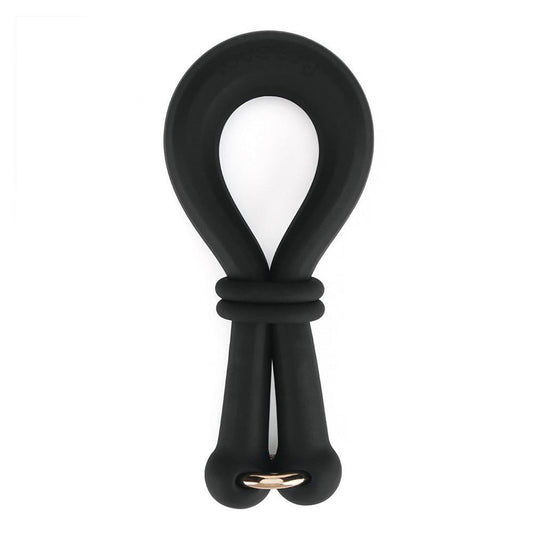
Lovetoy Pinnacle Pro Anyfit Plus Stretcher Cock Ring
Lovetoy Pinnacle Pro Anyfit Plus Stretcher Cock Ring is an adjustable silicone cock ring designed for customizable pressure around the shaft or testicles. Measuring 10.24 inches outside circumference with movable 0.57-inch diameter silicone rings, it stretches to fit various sizes while maintaining secure placement....
- $19.99
$24.99- $19.99
- Unit price
- per
Screaming O OYeah Rechargeable Rideable Vibrating Cock Ring
- Black
Screaming O OYeah Rechargeable Rideable Vibrating Cock Ring is a premium silicone ring with a vertical bullet vibrator featuring five speeds and one pulse mode. Delivering 60+ minutes of rechargeable power with IPX5 waterproof rating, it measures 1.75 inches in diameter with a snug...
- $44.99
$54.99- $44.99
- Unit price
- per
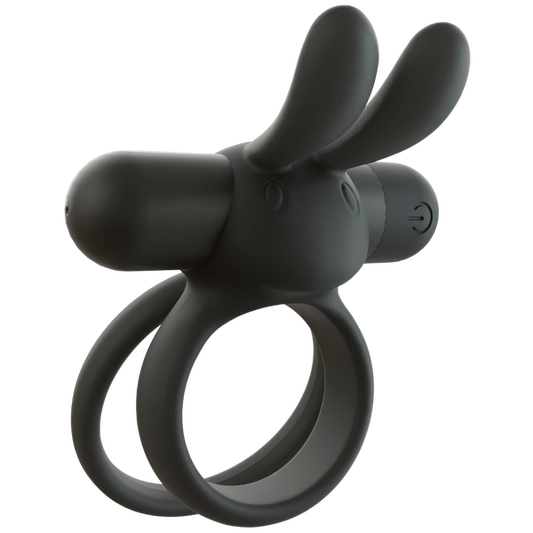
Screaming O Ohare XL Rechargeable Rabbit Vibe Penis Ring
- Black
Screaming O Ohare XL Rechargeable Rabbit Vibe Penis Ring is a rechargeable couples' vibrator designed for partnered penetrative play. Featuring a 5-speed bullet motor with pulse mode and extra-stretch silicone construction, it accommodates larger fits while delivering 60+ minutes of runtime. The flexible rabbit...
- $44.99
$54.99- $44.99
- Unit price
- per
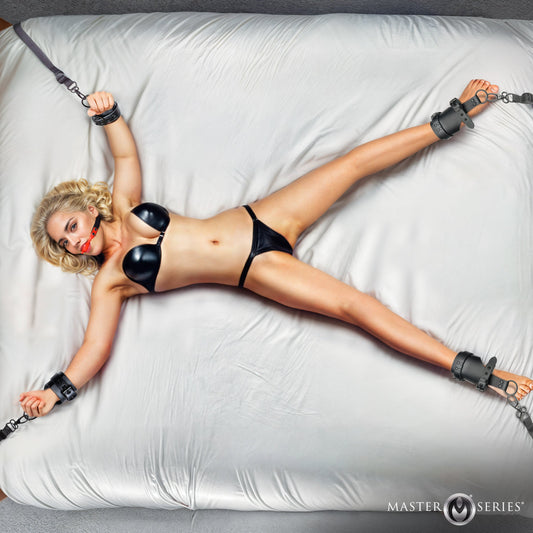









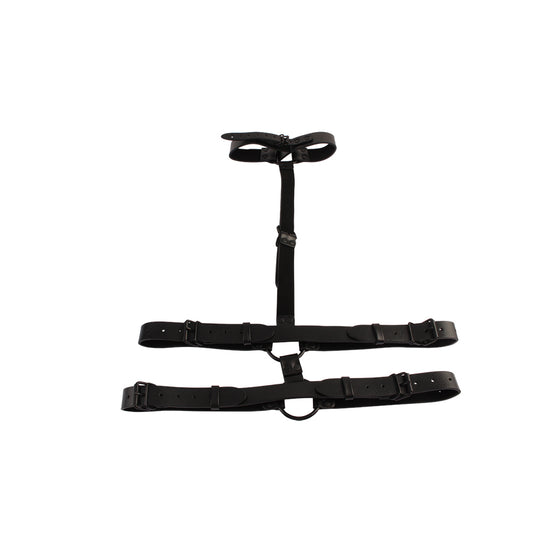



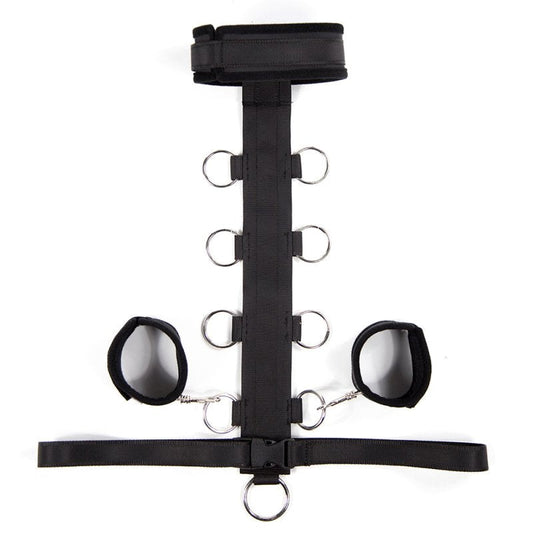





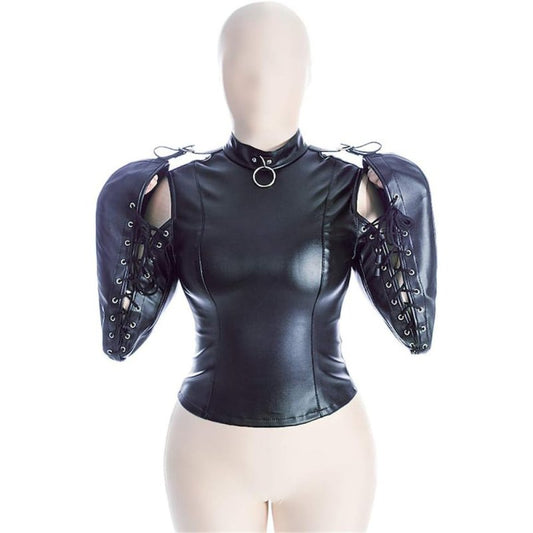

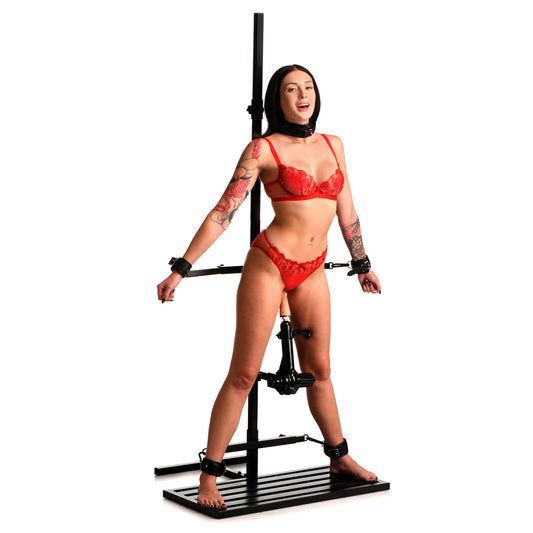

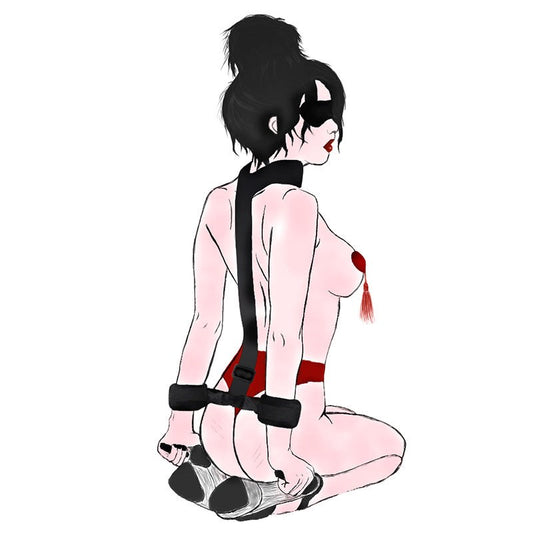

Body restraints secure the torso, chest, waist, or full body rather than just limbs. These systems include harnesses with multiple attachment points, straitjackets restricting arm movement, and full-body wraps immobilizing the entire form. Body restraints create comprehensive restriction beyond wrist or ankle limitation, often serving as central anchor points for attaching limb restraints.
About Body Restraints
Body restraints address the torso as a foundation for comprehensive bondage. Wrist and ankle restraints control limb positioning but allow torso movement. Body harnesses restrict chest, waist, and shoulder areas, creating central attachment points for securing arms, legs, or connecting to furniture. This comprehensive approach prevents the full body compensation that occurs when only limbs are restrained—even bound wrists allow significant body twisting and movement that torso restraints eliminate.
These systems suit intermediate to advanced users comfortable with more elaborate restriction. The psychological intensity increases significantly when torso movement becomes limited—breathing awareness heightens, positional control diminishes, and vulnerability deepens. Body restraints require more time to apply than simple cuffs but create more complete immobilization with fewer attachment points.
Types of Body Restraints
Body harnesses use straps circling chest, waist, and sometimes thighs with D-rings or attachment points throughout. These do not restrict limbs themselves but provide anchor points for attaching wrist cuffs, ankle manacles, or rope. Harnesses distribute force across larger body areas rather than concentrating on wrists or ankles. They work well for suspension preparations (though require specialized training) or elaborate bondage configurations.
Straitjackets wrap arms across the body in crossed-arm or behind-back positions, then secure with straps around torso and between legs. These eliminate upper body mobility completely—arms cannot separate, hands cannot reach buckles, and upper body twisting becomes limited. Medical-style jackets use heavy canvas; fetish versions use leather or PVC. Bondage bodysuits and sleeps sacks encase the entire body in material with limited or no openings, creating mummification-style restriction.
Materials and Construction
Leather harnesses provide durability and multiple D-ring placement options. Quality leather includes adjustment points for different body sizes and shapes. Look for reinforced stitching at stress points and comfortable edge finishing preventing chafing. Nylon webbing harnesses are lighter, less expensive, and easier to clean than leather. The webbing width (2.5–5 cm) affects comfort—wider distributes pressure better during pulling.
Straitjackets traditionally use heavy canvas (medical grade) or leather (fetish style). Canvas withstands more force but feels rougher. Leather molds to body over time, creating better fit with use. Modern versions use PVC or synthetic leather for easier cleaning. Full-body bags use leather, PVC, latex, or spandex depending on desired restriction level and aesthetic. Breathable materials matter for extended wear—enclosed body heat accumulates quickly in non-breathable materials.
Sizing and Fit
Body restraints require more precise sizing than limb restraints since they cover larger, more varied body areas. Measure chest circumference at fullest point, waist at natural waistline, and sometimes hip circumference. Many harnesses adjust 10–15 cm through buckle or strap systems, accommodating size fluctuations or different users. Straitjackets and body bags require closer sizing—size charts typically use clothing sizes (S/M/L/XL) with specific measurement ranges.
Poor fit creates discomfort or safety issues. Too-tight body restraints restrict breathing—you should breathe deeply without strain while wearing them. Too-loose harnesses shift during movement, creating pressure points or allowing escape. Test fit before elaborate bondage scenes, ensuring comfort while standing, sitting, and lying down since body position changes restraint pressure distribution significantly.
Application and Removal
Body restraints take longer to apply than cuffs—5–10 minutes for harnesses, 10–15 minutes for straitjackets. Walk through application steps before bondage sessions, identifying which straps attach first and understanding buckle sequences. Many designs require the bound person's cooperation during initial application—trying to force restraints onto resisting individuals creates injury risk.
Keep safety shears accessible for emergency removal. Quality body restraints should have clear removal sequences, but panic situations may require cutting through straps. Practice removal procedures when calm, ensuring both partners know how to release restraints quickly. Never use body restraints requiring tools or keys for removal without backup cutting tools immediately available.
Safety Considerations
Body restraints affect breathing more than limb restraints. Check that chest expansion remains possible—the bound person should breathe deeply without restriction. Tight chest straps or pressure on diaphragm creates breathing difficulties. Monitor breathing regularly, especially if combining body restraints with gags or hoods that further affect airflow. Never restrict neck area—chest harnesses sit below collarbones, avoiding throat pressure.
Circulation checks extend beyond wrists and ankles. Check that torso straps do not cut off blood flow—skin should remain normal-colored under straps. Numbness or tingling in torso areas indicates excessive pressure requiring immediate loosening. Body restraints create more heat retention than limb restraints—monitor for overheating, especially in full-body bags or non-breathable materials. Provide water breaks during extended sessions.
Common Configurations
Chest harnesses alone create minimal restriction but provide multiple attachment points for elaborate rope work or limb restraint connection. These work well for users wanting attachment versatility without torso immobilization. Full-body harnesses including chest, waist, and leg straps create comprehensive restriction with numerous D-rings for position variety. Straitjackets provide complete upper body immobilization without additional limb restraints needed, though often combined with leg restraints for total immobilization.
Duration and Comfort
Body restraints tolerate shorter duration than simple limb cuffs due to breathing awareness and heat accumulation. Harnesses alone work for 45–60 minutes comfortably. Straitjackets create more intensity—limit to 20–30 minutes initially, extending to 45 minutes with experience. Full-body bags should not exceed 30 minutes due to heat buildup and complete restriction intensity. Always prioritize comfort signals over planned duration.
Comparison Table
| Body Restraint Type | Restriction Level | Application Time | Best For |
|---|---|---|---|
| Chest Harness | Low (attachment point focus) | 5–7 minutes | Anchor points, rope bondage integration |
| Full-Body Harness | Moderate to high | 8–12 minutes | Comprehensive restriction, multiple attachments |
| Straitjacket | Very high (arms immobilized) | 10–15 minutes | Complete upper body restriction, psychological intensity |
| Full-Body Bag | Extreme (entire body enclosed) | 5–10 minutes | Mummification, sensory deprivation, experienced users |
Complete Arm Immobilization
While body harnesses provide attachment points, complete arm restriction requires dedicated equipment. The Armbinders collection includes sleeves securing both arms behind back in single units. These work standalone or combine with chest harnesses, creating comprehensive upper body immobilization where harnesses anchor position and armbinders eliminate arm mobility completely.
Complex Position Integration
Body restraints serve as foundations for elaborate bondage positions. The Hogtie Kits collection includes restraint sets connecting limbs to each other or to body harness attachment points. Combining body harnesses with hogtie configurations creates more secure, comfortable positions than connecting limbs alone, distributing stress across torso rather than concentrating on wrist-to-ankle connection.
Furniture-Based Systems
Body restraints often attach to fixed points for position control. The Bed Restraints range provides under-mattress straps and bedpost systems working with body harness D-rings. Attaching torso harnesses to bed systems creates spread-eagle or other positions without solely relying on limb restraints, reducing pressure on wrists and ankles while maintaining comprehensive immobilization.
Lower Body Coordination
Complete body restriction requires coordinating upper and lower body restraints. The Leg Irons collection provides rigid ankle and thigh restraints complementing body harnesses and straitjackets. Combining flexible body harnesses with rigid leg irons creates contrast in restriction styles while ensuring both upper and lower body immobilization for comprehensive bondage configurations.
Broader Restraint Context
Body restraints represent comprehensive immobilization within diverse bondage equipment. The Restraints collection includes limb-specific cuffs, hand restraints, and body systems in varied materials and security levels. Understanding how body restraints differ from limb restraints helps determine whether torso-focused systems suit your bondage preferences or whether limb restriction alone provides adequate immobilization.
Body restraints secure torso, chest, and waist rather than just limbs, creating comprehensive restriction through harnesses, straitjackets, and full-body systems. These devices provide multiple attachment points for limb restraints while limiting torso movement and increasing psychological intensity. Adultsmart lists body restraint types, application times, and safety considerations so you can explore comprehensive bondage beyond limb-specific restriction with confidence.
Body Restraints FAQ
What is the difference between body restraints and wrist/ankle restraints?
Body restraints secure torso, chest, and waist, creating anchor points and limiting core movement. Limb restraints control arms and legs but allow torso twisting. Body restraints provide comprehensive restriction preventing full-body compensation.
Should beginners start with body restraints or limb restraints?
Limb restraints (wrist and ankle cuffs) are more beginner-friendly—simpler application, easier monitoring, less psychological intensity. Add body restraints after becoming comfortable with basic limb bondage and wanting increased restriction or attachment complexity.
Are body restraints more dangerous than limb restraints?
Different risks, not necessarily more dangerous. Body restraints affect breathing and heat accumulation more. Both require proper fit and monitoring. Chest restriction should allow deep breathing. Never restrict neck area. Monitor regularly for both types.
How long can someone wear a body harness safely?
Chest harnesses alone: 45–60 minutes with comfort checks. Full-body harnesses: 30–45 minutes initially. Straitjackets: 20–30 minutes maximum for beginners due to breathing awareness and restriction intensity. Always prioritize comfort over planned duration.
Can body restraints restrict breathing?
Yes, if too tight or improperly positioned. The bound person should breathe deeply without strain while wearing body restraints. Chest straps sit below collarbones, never across throat. Monitor breathing regularly, especially with gags or hoods.
Do I need body restraints if I already have wrist and ankle cuffs?
Not necessarily. Body restraints add comprehensive restriction and attachment versatility but aren't essential for basic bondage. Many users enjoy limb restraints exclusively. Add body restraints when wanting increased restriction or elaborate position configurations.
How difficult are body restraints to put on?
More complex than cuffs. Harnesses: 5–10 minutes. Straitjackets: 10–15 minutes. Practice application when calm before bondage sessions. Many designs require cooperation during initial application—forcing restraints creates injury risk.
What body measurements do I need for sizing body restraints?
Chest circumference at fullest point, waist at natural waistline, sometimes hip circumference. Many harnesses adjust 10–15 cm through straps. Straitjackets and body bags require closer sizing—consult manufacturer size charts matching clothing sizes to measurements.
Can body restraints be used for suspension bondage?
Only if specifically rated for suspension with weight load specifications. Most body harnesses are not suspension-rated. Using non-suspension equipment for hanging body weight risks hardware failure and serious injury. Only use equipment tested for suspension loads.
How do I clean leather body harnesses and straitjackets?
Wipe with damp cloth after use. Apply leather conditioner monthly. Never machine wash or soak. For straitjackets with multiple buckles, clean each strap individually, ensuring buckles dry completely. Nylon webbing harnesses can hand wash with air drying.
Recently Viewed Products
Example product title
- $19.99
- $19.99
- Unit price
- per
Example product title
- $19.99
- $19.99
- Unit price
- per
Example product title
- $19.99
- $19.99
- Unit price
- per
Example product title
- $19.99
- $19.99
- Unit price
- per
Example product title
- $19.99
- $19.99
- Unit price
- per
Example product title
- $19.99
- $19.99
- Unit price
- per
Example product title
- $19.99
- $19.99
- Unit price
- per
Example product title
- $19.99
- $19.99
- Unit price
- per
Example product title
- $19.99
- $19.99
- Unit price
- per
Example product title
- $19.99
- $19.99
- Unit price
- per
Why Shop With Adultsmart?
- Choosing a selection results in a full page refresh.