



-
Satisfyer Swordsman Adjustable Lasso Cock Ring - BlueSatisfyer Swordsman - Revolutionizing Intimate Moments The Satisfyer Swordsman represents a breakthrough in couples' intimacy devices, combining innovative design with cutting-edge technology. This versatile cock ring transforms shared moments with its precisely engineered features and thoughtful construction. Masterful Design Meets Premium Comfort Crafted from...
- $44.99
$59.99- $44.99
- Unit price
- per
-
Satisfyer Sniper Waterproof Vibrating Mens Cock Ring BlueSatisfyer Sniper - Advanced Pleasure Engineering The Satisfyer Sniper represents a breakthrough in intimate wellness technology, combining precision German engineering with thoughtful design to create an exceptional experience for couples. This innovative device transforms intimate moments through its sophisticated combination of adjustable fit and...
- $44.99
$59.99- $44.99
- Unit price
- per
-
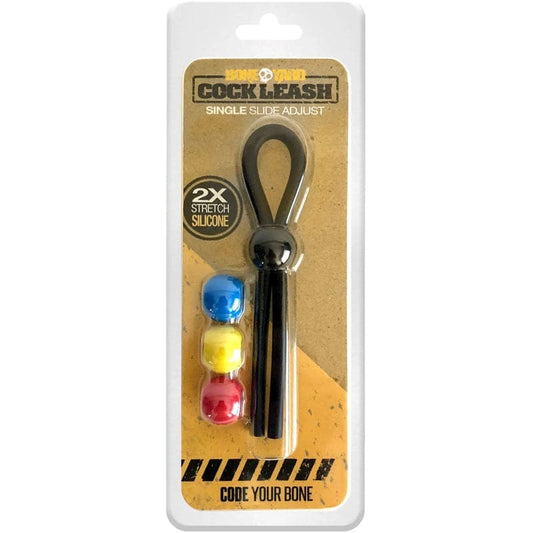
Boneyard Adjustable Cock Leash - Redefine IntimacyProduct Description of Boneyard Cock Leash Single Elevate your intimate experiences with the Boneyard Cock Leash Single. This adjustable accessory offers a stylish and versatile way to explore new realms of pleasure. Crafted with attention to detail, the Cock Leash Single is designed to...
- $24.99
$29.99- $24.99
- Unit price
- per
VISIT XVIDEO FOR ADULT DVDS



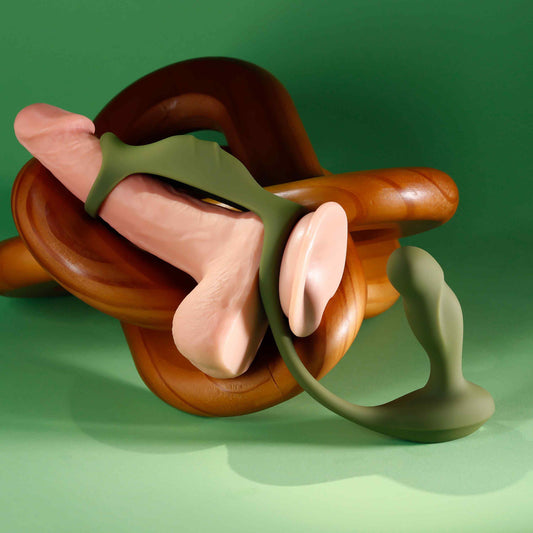
Zero Tolerance PROSTATE POWER PACK Massager With Remote
- Green
Zero Tolerance PROSTATE POWER PACK Massager With Remote is a dual-component prostate stimulator with vibrating plug and ridged C-ring harness. The insertable plug measures 8.3 cm long with 2.8 cm diameter, delivering 10 vibration speeds via 9.8-meter remote control. Liquid silicone construction ensures body-safe...
- $89.99
$99.99- $89.99
- Unit price
- per
LELO LIFEGUARD Originals Male Vibrating Penis Ring
- Pink
LELO LIFEGUARD Originals is a vibrating penis ring crafted from premium silicone, designed for couples' shared stimulation. Measuring 63 x 48 x 23 mm and weighing 32 grams, it features four standard vibration patterns plus four additional app-unlocked modes. The stretchy, body-safe silicone adapts...
- $74.99
$79.99- $74.99
- Unit price
- per
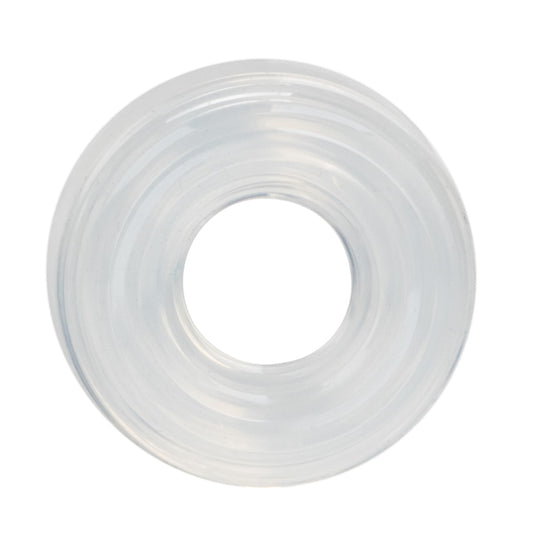
California Exotics Premium Silicone Cock Ring Medium
- Clear
California Exotics Premium Silicone Cock Ring Medium is a seamless silicone erection ring with a 0.75-inch diameter designed for girth enhancement and endurance support. Made from phthalate-free premium silicone, it delivers comfortable compression without restricting circulation. The thick, durable construction maintains shape through repeated...
- $9.99
$14.99- $9.99
- Unit price
- per



Adjustable C-Rings FAQ
Do snap closures accidentally pop open during sex or stay reliably fastened?
Quality snap closures stay secure during normal activity if properly sized—they shouldn't feel stretched to breaking point. Undersizing causes accidental release; choosing a setting that closes comfortably without strain prevents mid-session opening.
Can I wash leather adjustable rings or will water damage the material and hardware?
Spot-clean leather with damp cloth and toy cleaner, avoiding full submersion. Water exposure can dry out leather and corrode some hardware finishes. Stainless steel hardware handles moisture better than brass or chrome-plated components. Apply leather conditioner occasionally.
Can I determine my correct fixed-ring size by testing an adjustable ring first?
Wear the adjustable at various tightness levels to find optimal restriction, then measure the diameter at that setting. This reveals your ideal fixed-ring size, making adjustables excellent sizing tools before investing in rigid options.
Will lubricant cause Velcro closures to slip open or lose grip strength?
Lubricant significantly reduces Velcro grip by coating the hook surfaces. If using lube-heavy play, choose snap or buckle closures instead. Velcro works best for dry or minimal-lubricant sessions where grip won't be compromised.
How many tightness positions do typical buckle-style adjustable rings provide?
Most buckle rings feature 8-12 holes spaced 3-5mm apart, offering more granular adjustment than snap closures. This close spacing helps find the sweet spot between settings rather than settling for "too loose" or "too tight."
Do double-strap adjustable rings restrict penis and testicles with independent pressure control?
Yes—dual-strap designs feature separate adjustment mechanisms for each loop, letting you tighten shaft restriction while keeping ball pressure moderate, or vice versa. This independent control accommodates different tolerance levels for each area.
Can sliding ring adjusters lock firmly enough to prevent loosening during movement?
Quality sliding adjusters use friction mechanisms that lock securely at any point along the strap. Cheap versions may creep loose during activity. Test the lock strength before use—it should resist loosening when you pull the strap firmly.
Will leather straps stretch over time and lose their adjustment range effectiveness?
Quality leather maintains structure with proper care, though minimal stretch occurs naturally. This actually improves comfort as leather conforms to your anatomy. Stretching rarely affects adjustment functionality since buckles and snaps compensate for minor material changes.
Are adjustable rings suitable for extended wear or mainly for short-duration sessions?
They work for both, though monitor closure points for comfort during extended wear. Buckles and hardware may create pressure points after 20+ minutes. Padded or wide straps distribute pressure better for longer sessions than narrow, unpadded designs.
Do adjustable C-rings provide comparable restriction intensity to fixed-size rings?
At equivalent tightness settings, yes—a properly adjusted ring at 45mm diameter restricts identically to a fixed 45mm ring. However, flexible strap materials don't match rigid metal's unyielding pressure. Adjustables offer versatility; fixed rings offer maximum intensity.
Recently Viewed Products
Example product title
- $19.99
- $19.99
- Unit price
- per
Example product title
- $19.99
- $19.99
- Unit price
- per
Example product title
- $19.99
- $19.99
- Unit price
- per
Example product title
- $19.99
- $19.99
- Unit price
- per
Example product title
- $19.99
- $19.99
- Unit price
- per
Example product title
- $19.99
- $19.99
- Unit price
- per
Example product title
- $19.99
- $19.99
- Unit price
- per
Example product title
- $19.99
- $19.99
- Unit price
- per
Example product title
- $19.99
- $19.99
- Unit price
- per
Example product title
- $19.99
- $19.99
- Unit price
- per
Why Shop With Adultsmart?
- Choosing a selection results in a full page refresh.